


Views: 0 Author: Site Editor Publish Time: 2026-07-02 Origin: Site


Designing HVAC systems for extreme environments tests modern engineering limits constantly. High humidity, heavy wash-downs, and relentless outdoor exposure demand exceptionally resilient equipment. Standard fans degrade rapidly when you task them for continuous duty in these brutal conditions. Moisture ingress easily bypasses weak seals, causing immediate short circuits. Meanwhile, severe thermal stress destroys traditional mechanical bearings. These hardware failures cause catastrophic system downtime and trigger endless, expensive maintenance cycles. Solving this problem requires strict component selection rather than applying superficial conformal coatings. Combining Electronically Commutated (EC) technology with genuine industrial-grade waterproofing transforms system reliability completely. It significantly reduces hardware failure rates when you calculate the environmental variables correctly. In this article, we dissect the complete anatomy of robust ventilation components. You will learn how precise motor encapsulation and advanced seals extend lifespan. We also explore strict IP rating realities and practical evaluation criteria. Finally, you will discover crucial implementation safeguards to ensure your next deployment succeeds.
Ventilation failure in critical industrial systems causes severe financial damage. Consider vital telecom cabinets, agricultural greenhouses, or extensive Air Handling Unit (AHU) grids. These applications rely on precise, uninterrupted climate control. A single fan failure triggers rapid, cascading thermal overloads. In edge computing data centers, sudden heat spikes destroy costly servers within minutes. In commercial agriculture, poor airflow ruins entire crop yields through unchecked fungal growth. You must weigh these massive downtime costs against the initial component prices. The actual financial impact of a failed fan dwarfs its original purchase price.
Standard AC and DC solutions struggle immensely under extreme environmental stress. They fail frequently in harsh environments due to fundamental design limitations. Rapid moisture ingress destroys unprotected electronics and printed circuit boards easily. Furthermore, standard AC motors generate excessive internal heat during operation. This trapped heat degrades basic bearing lubricants prematurely. Traditional DC motors often rely on physical carbon brushes. These brushes wear out steadily during continuous operation. They require manual physical replacement, causing inevitable system downtime.
Electronic commutation offers a distinct structural advantage for demanding 24/7 duty. A continuous ventilation fan utilizing EC technology eliminates carbon brush wear entirely. EC motors use alternating magnetic fields for rotation. This intelligent contactless design reduces internal mechanical friction significantly. It also drastically lowers heat generation across the motor core. Cooler operating temperatures protect delicate internal bearing systems. They ensure the motor survives non-stop operation without needing required resting cycles. This inherent efficiency creates a highly stable foundation for long-term industrial reliability.
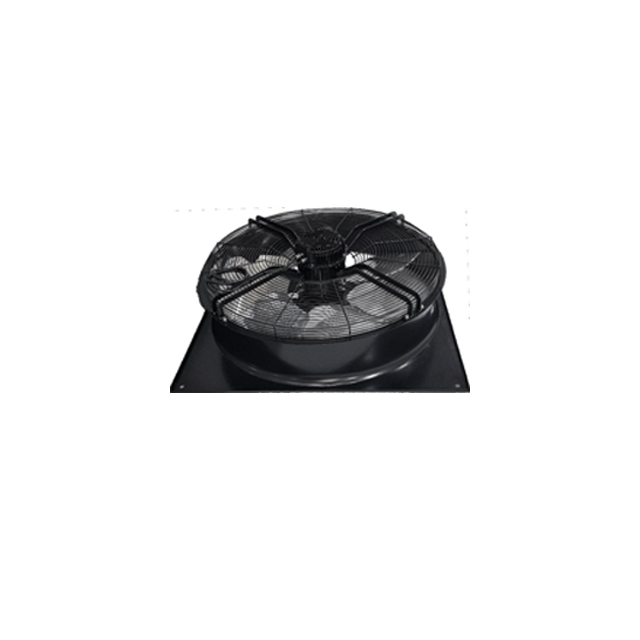
True reliability requires uncompromising structural integrity. A waterproof EC axial fan survives extreme environments through meticulous, specialized engineering. You cannot rely on basic spray coatings or temporary sealants.
Engineers must isolate the internal motor completely from external threats. They encapsulate the entire stator and the printed circuit board inside thermal epoxy resin. The industry calls this crucial process vacuum potting. Vacuum potting blocks moisture, salt fog, and corrosive dust completely. It removes microscopic air bubbles, preventing catastrophic short circuits in humid environments. The solid resin block also dampens damaging high-frequency vibrations during maximum RPM operation.
Bearings represent the most vulnerable mechanical component in any moving system. You need premium dual ball bearings for reliable continuous duty. These bearings must feature highly specialized, moisture-resistant mechanical seals. Standard rubber seals shrink and fail under extreme temperature shifts. High-grade industrial bearings use advanced synthetic lubricants. These synthetic lubricants maintain their ideal viscosity across wide temperature ranges. They prevent metal-on-metal grinding during harsh, prolonged operation.
Aerodynamics and material choices dictate long-term performance heavily. You must select specialized UV-resistant impellers for outdoor applications. Sunlight degrades standard commercial plastics rapidly. The blades become brittle and shatter under centrifugal force. You should use treated aluminum or fiberglass-reinforced polymers instead. These tough materials resist harsh chemical wash-downs effortlessly. They maintain perfect structural balance for years.
Exaggerated marketing claims often confuse procurement buyers. You must decode IP (Ingress Protection) ratings carefully and objectively. A generic "waterproof" label means nothing without verified, independent testing data. An inadequately rated waterproof industrial fan will fail unexpectedly, taking your system down with it.
You must match the IP rating exactly to your specific environmental reality. IP55 provides decent baseline protection for standard outdoor enclosures. It shields internal components from harmful dust and low-pressure water jets. This moderate rating suits occasional outdoor splashing or light rain. However, it fails completely under extreme industrial conditions. If you expose an IP55 fan to heavy wash-downs, pressurized water easily penetrates the seals.
IP68 serves as the absolute gold standard for extreme industrial environments. It guarantees verified protection against continuous, complete liquid submersion. IP68 components thrive in coastal areas experiencing sustained 95%+ humidity. They resist heavy internal condensation and aggressive high-pressure cleaning protocols. When building marine systems or specialized cooling towers, you cannot compromise on protection. IP68 ensures the internal motor remains dry.
Consider the following critical rating distinctions when evaluating industrial equipment:
| IP Rating | Solid Protection Level | Liquid Protection Level | Ideal Application Environment |
|---|---|---|---|
| IP55 | Dust protected | Low-pressure water jets | Standard outdoor telecom cabinets |
| IP56 | Dust protected | High-pressure water/heavy seas | Marine ship decks, heavy wash-down |
| IP67 | Dust tight | Temporary submersion (up to 1m) | Flood-prone industrial floor sumps |
| IP68 | Dust tight | Continuous complete submersion | Sustained 99% humidity, deep water |
Choosing the right hardware demands objective, data-driven evaluation. You must analyze specific engineering metrics thoroughly before purchasing.
Even the most advanced fans fail due to poor installation practices. You must anticipate unforeseen environmental risks carefully during final deployment.
Wiring represents a surprisingly critical failure point. Moisture travels down improperly sealed cables easily. Powerful capillary action pulls water directly into the sealed motor housing. You must install aggressive drip loops to redirect flowing water downward. Use proper, high-quality cable glands to seal electrical entry points tightly. Many experienced engineers overlook this simple preventative measure, leading to rapid failure.
Mounting orientation affects long-term survivability drastically. You must position the chassis correctly. Incorrect mounting angles trap condensation inside the outer frame. This pooled water eventually compromises external seals over time. Ensure you position all factory weep holes downward. Blocked or incorrectly positioned weep holes negate expensive waterproofing instantly. Gravity must help drain accumulated moisture away from sensitive mechanical joints continuously.
Thermal constraints dictate overall mechanical longevity. Many operators falsely assume "waterproof" means totally invincible. Extreme ambient heat destroys equipment quickly regardless of water protection. Intense heat combined with high humidity severely degrades bearing grease. The synthetic lubricant separates and leaks out prematurely. You must monitor ambient cabinet temperatures strictly. Provide secondary external shading for outdoor enclosures where possible. Do not push equipment past its documented thermal limits.
Procuring resilient ventilation systems requires strict engineering discipline. Standard commercial fans cannot survive brutal, high-moisture industrial settings. You must prioritize completely potted EC motors and perfectly sealed bearing systems.
Filter your potential vendor list using objective criteria. Base your final shortlist on documented L10 lifespan data and verifiable IP testing. Match the fan's precise specifications exactly to your environmental realities. Never base critical infrastructure decisions purely on upfront unit costs. The long-term operational savings and eliminated downtime justify specifying premium components.
Take immediate, calculated action to secure your critical systems. Review the technical datasheets for your current ventilation equipment today. Request an engineering consultation to discuss your specific thermal and humidity challenges. Ask reputable manufacturers for rugged sample units. Run harsh-environment testing in your own facility before committing to massive bulk deployments.
A: Yes, if it carries a genuine IP68 rating. IP68 fans feature fully encapsulated stators that survive continuous submersion. However, you must consider fluid dynamic resistance. Water is significantly denser than air. Submerging a fan meant for air movement drastically increases the torque load. This severe resistance can stall the motor or trigger internal electronic overload protections. You should consult the manufacturer before intentionally operating axial fans underwater.
A: Extreme humidity poses severe internal condensation risks. Sudden temperature drops cause airborne moisture to condense inside standard motor housings. This trapped water shorts unprotected circuit boards immediately. A true waterproof fan uses epoxy potting to encapsulate the electronics completely. This fully potted design prevents liquid from touching conductive paths. Consequently, the fan achieves its full operational lifespan despite heavily saturated air conditions.
A: Absolutely. Waterproof EC fans typically consume 30% to 70% less energy than equivalent AC fans. They achieve this massive reduction through highly efficient onboard AC-to-DC conversion and intelligent magnetic rotors. Furthermore, EC motors allow precise variable speed control. You only run the fan as fast as necessary. This significantly reduces wasted energy during periods of lower thermal demand.
A: Manufacturers often label premium fans as "maintenance-free" due to sealed bearings. However, practical field application requires periodic visual inspections. Dust, grease, and airborne debris accumulate on the impeller blades over time. This uneven buildup causes aerodynamic imbalance. An unbalanced rotor creates severe vibration, which eventually destroys the bearings. You must clean the impeller periodically to maintain structural balance.
