


Views: 0 Author: Site Editor Publish Time: 2026-07-03 Origin: Site


Agricultural environments are fundamentally hostile to mechanical equipment. Constant exposure to high humidity, concentrated animal byproducts, and aggressive chemical washdowns rapidly accelerates wear on standard facility assets. When you manage a large-scale farming operation, choosing the wrong material for your exhaust systems inevitably leads to premature failure. Degraded units reduce essential airflow efficiency. They ultimately compromise overall livestock health and productivity. Facility managers urgently need reliable, resilient infrastructure. You must maintain optimal growing conditions year-round to ensure profitability. This article provides an objective, evidence-based evaluation of traditional galvanized and stainless metal housings versus fiberglass reinforced plastic (FRP). You will learn how each material directly responds to extreme agricultural environmental stressors. We will compare their aerodynamic efficiency, structural trade-offs, and long-term operational reliability. This detailed analysis helps you select the best ventilation solution for your specialized facility.
Modern farming demands high-performing farm ventilation housing to sustain animal health. These critical units face relentless chemical exposure daily. Ammonia (NH3), hydrogen sulfide (H2S), and organic acids saturate the air inside commercial poultry, swine, and dairy operations. These highly corrosive gases attack standard building materials immediately upon contact. You also must consider the constant threats of moisture and drastic temperature fluctuations. High humidity levels create persistent condensation on equipment surfaces throughout the night. Seasonal temperature shifts cause rigid materials to expand and contract repeatedly. This constant thermal cycling weakens structural integrity over time.
Furthermore, degraded surfaces introduce a massive hidden cost of friction. When rusted or poorly shaped housings increase static pressure, they force fan motors to overwork continuously. This extra mechanical strain drives up energy expenditure rapidly. You lose critical airflow efficiency while paying significantly higher utility bills. Replacing failing units disrupts daily operations. It also threatens flock or herd safety during peak summer heat. Farm operators need materials designed specifically for these punishing conditions. Ignoring these environmental stressors guarantees equipment failure and financial loss.
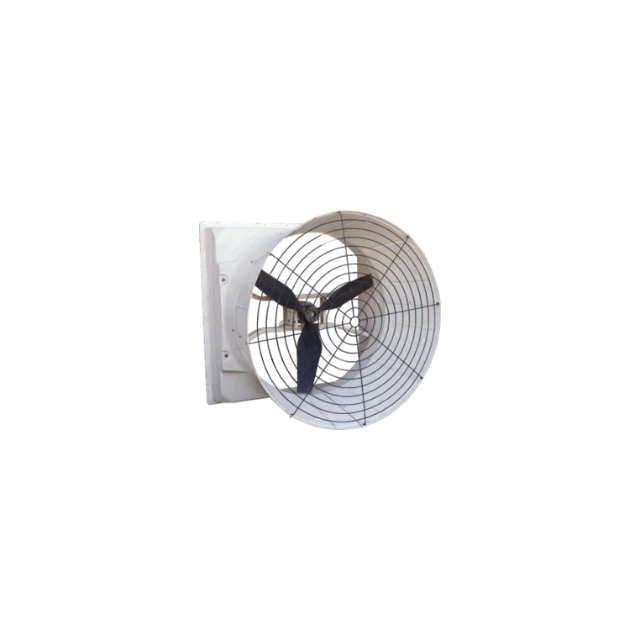
Facility operators typically choose between two main structural materials. You must understand their underlying chemistry to make good decisions. Traditional metal housings include standard galvanized steel and premium stainless steel. Their survival mechanism relies entirely on thin surface coatings. Manufacturers use protective zinc coatings or chromium oxide layers to prevent raw iron from rusting. Once this protective layer scratches or degrades, the underlying metal fails quickly. Fabrication involves stamping or rolling flat sheet metal. Workers assemble these cut pieces using overlapping seams, screws, and rivets. These mechanical joints create natural weak points. Moisture and dust collect easily inside these tiny crevices.
Conversely, a modern FRP cone fan housing uses a distinctly different composite approach. Its structural mechanism utilizes microscopic glass fibers embedded deeply within a tough polymer resin matrix. This unique chemical structure makes the material inherently immune to oxidation and rust. Fabrication relies on an advanced seamless molding process. Manufacturers cast the entire housing as one continuous, solid piece. This modern method allows for a precise, flared "cone" design. The resulting shape naturally maximizes air discharge volume. It entirely eliminates structural seams and vulnerable mechanical joints.
Let us compare these prominent materials across three critical operational dimensions. Understanding these differences helps you avoid costly mistakes.
Galvanized coatings inevitably scratch during normal daily use. Routine chemical washdowns degrade these protective zinc layers even further. This microscopic damage exposes raw steel to rapid, aggressive oxidation. Rust quickly spreads across the paneling, weakening the entire structural frame. Stainless steel delays this destruction effectively in harsh barns. However, stainless upgrades increase your initial capital costs significantly. Fiberglass presents a fundamentally different physical reality. It remains inherently inert to agricultural chemicals and corrosive animal waste. It serves as a genuinely reliable corrosion-resistant fan housing. You never need to apply protective recoating. It survives decades of heavy ammonia exposure without degrading.
Airflow efficiency relies heavily on perfectly smooth interior surfaces. Metal housings often feature sharp edges, exposed rivets, and overlapping structural seams. These physical barriers disrupt laminar airflow severely. They create chaotic air turbulence right at the critical discharge point. Forming heavy metal into an optimized, smooth discharge cone requires prohibitive manufacturing costs. The seamless molding process of an FRP housing solves this engineering problem beautifully. Engineers can design a mathematically optimized bell-mouth and aerodynamic discharge cone. This perfect geometry reduces air turbulence significantly. It dramatically increases the total Cubic Feet per Minute (CFM) output. Consequently, your fan motor draws fewer amps to move the exact same air volume.
Metal structures require frequent, tedious visual inspections for early rust spots. You must carefully select your routine chemical disinfectants. Aggressive cleaners easily strip away essential zinc coatings from galvanized panels. This strict limitation often compromises your vital biosecurity protocols. Fiberglass requires far less delicate handling from your maintenance crew. The smooth, gel-coated interior surfaces actively resist stubborn dirt buildup. They tolerate highly aggressive pressure washing safely. You can apply harsh foaming disinfectants regularly without causing any material degradation. This extreme durability ensures you maintain consistent, rigorous hygiene standards across your entire farm.
| Performance Dimension | Galvanized & Stainless Steel | Fiberglass Reinforced Plastic (FRP) |
|---|---|---|
| Chemical Immunity | Surface coatings degrade; highly prone to rapid oxidation. | Inherently inert to farm chemicals; requires no protective recoating. |
| Aerodynamic Efficiency | Physical seams and metal rivets cause severe air turbulence. | Seamless molded cone maximizes CFM and reduces motor load. |
| Cleaning & Maintenance | Requires frequent rust checks; restricts harsh chemical cleaners. | Tolerates high-pressure washing and harsh foaming disinfectants safely. |
Every building material has specific operational limitations. You must fully understand these risks before scheduling your installation.
First, consider the serious UV degradation factor. Unformulated, cheap fiberglass can "bloom" or chalk over time. Direct sunlight makes poor-quality composites brittle and weak.
Second, structural vulnerabilities differ greatly between these two options. Metal will permanently dent upon direct impact from farm machinery. A severe dent might strike the spinning fan blade, causing catastrophic mechanical failure. Fiberglass remains highly rigid under pressure. However, it can crack or shatter under extreme, localized blunt force. Workers must handle these large units carefully during transit and installation.
Finally, evaluate specific weight and mounting considerations. Fiberglass structures are generally lighter than heavy-gauge steel units. This reduced weight speeds up initial placement. Yet, you may require specific mounting brackets during facility retrofitting. Wall-framing adjustments might be necessary to secure the molded FRP flanges properly.
Choosing the appropriate ventilation equipment depends on your specific operational environment. Use the following framework to guide your strategic investment.
When to specify Metal Housing:While galvanized metal remains a legacy standard, modern agriculture demands superior material durability. The industry is rapidly shifting toward fiberglass composites due to their undeniable chemical resistance. They also provide significantly superior aerodynamic efficiency compared to older designs. Make proactive, informed choices to protect your facility infrastructure against harsh environments.
Next Steps:A: Yes, fiberglass typically requires a higher initial capital investment than standard galvanized steel. However, its true value emerges over time. Because it resists severe corrosion, you eliminate frequent replacement cycles and costly structural repairs. Furthermore, its aerodynamic efficiency lowers monthly electrical consumption. This reliability makes it a highly economical choice for harsh agricultural environments.
A: A high-quality fiberglass unit can easily last 15 to 20 years in extreme poultry environments. Lower-grade composites might show surface wear around the 10-year mark if they lack proper UV protection. Conversely, standard galvanized steel often begins rusting within 3 to 5 years under heavy ammonia exposure. Proper cleaning maximizes the lifespan of any material.
A: Yes, high-grade fiberglass performs exceptionally well in freezing conditions. The composite material features a very low coefficient of thermal expansion. It does not shrink or expand drastically like metal does during sudden temperature shifts. As long as the unit avoids extreme blunt force impacts while frozen, cold weather will not cause spontaneous cracking or structural failure.
A: Yes, they do. The cone design utilizes the Bernoulli principle to enhance overall performance. The flared discharge area allows the fast-moving exhaust air to expand smoothly into the outside atmosphere. This gradual expansion recovers static pressure, reducing the mechanical workload on the fan blades. Consequently, a cone unit moves significantly more air per watt of electricity.
