


Many motors still waste power by running too fast for the job. An ec motor solves this in a smarter way. It adjusts speed by electronic control, not by brushes. In this article, you will learn what it is, how it works, where it fits, and how to choose one.
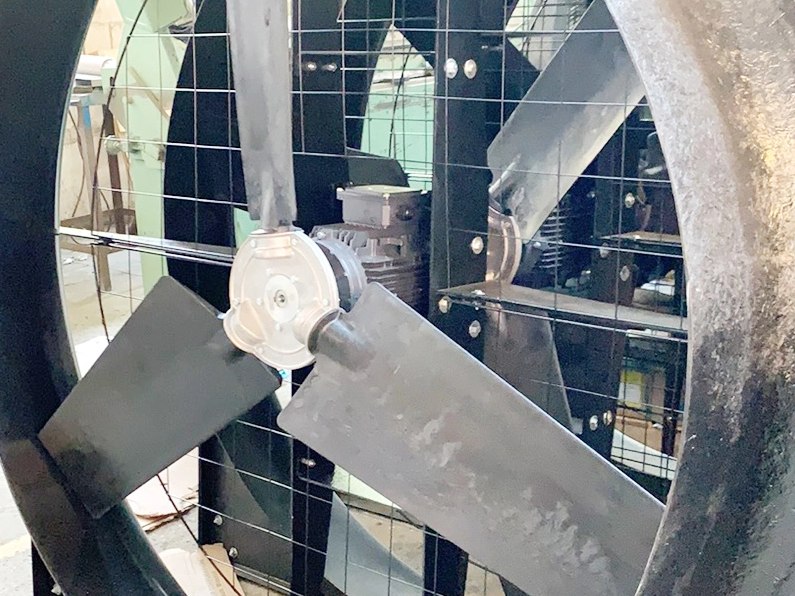
● An ec motor is an electronically commutated motor. It uses a brushless structure, permanent magnets, and built-in electronics to control rotation.
● It is widely used in fans, HVAC units, air handling systems, cooling equipment, livestock ventilation, and industrial airflow systems.
● Compared with many traditional AC motors, it can offer better speed control, lower energy use, quieter operation, and easier system integration.
● The main value is not only the motor itself. It is the way it matches airflow, pressure, and operating demand in real time.
● Before choosing one, buyers should check voltage, speed range, torque, control signal, protection level, noise target, and working environment.
● An ec motor is often a strong choice when equipment runs for long hours or needs variable airflow.
An ec motor is an electronically commutated motor. It is a brushless motor that uses electronic control to switch current in the windings. This switching creates rotation and allows the motor to control speed more precisely.
In simple words, it is a smart motor. It does not just turn on and run at one fixed speed. It can speed up, slow down, or hold a stable output based on system needs.
Commutation means switching electrical current to keep the rotor moving. In a brushed motor, brushes do part of this job. They wear over time and may create friction, noise, and maintenance issues.
In an ec motor, electronics handle the switching. The control board sends current to the right winding at the right time. This gives smoother operation and better control.
A typical ec motor includes a stator, a permanent magnet rotor, bearings, and an electronic control module. The rotor uses magnets to create efficient movement. The control module manages speed, direction, and protection functions.
Some EC motors also include signal input and feedback output. This allows the motor to connect to a controller, fan system, or building management system.
An ec motor is the drive unit. An EC fan is the full fan assembly. It may include the motor, blade, impeller, housing, guard, and control interface.
This difference matters during product selection. If you only need a drive component, you choose the motor. If you need ready airflow performance, you may need a complete EC axial fan or EC centrifugal fan.
The value of an ec motor becomes clear in real systems. A fan in a factory, farm, data room, or HVAC unit rarely needs full speed all day. When demand changes, the motor can adjust.
That means less wasted energy, less noise, and less wear. It also helps equipment run in a more stable way.
An ec motor uses a permanent magnet rotor. The stator creates a rotating magnetic field. The rotor follows this field and turns the shaft.
Because it has no brushes, there is less friction. There are also fewer wear parts related to commutation. This helps the motor run longer under steady conditions.
The control electronics manage current and speed. Instead of relying only on line frequency, the motor uses internal control to regulate output.
This is important for fans. Airflow demand changes as temperature, pressure, or ventilation needs change. The motor can react without needing a complex external drive in many designs.
A major benefit is variable speed. The motor does not need to run at full output when the system only needs partial airflow.
For example, a ventilation fan may run slower at night. A cooling fan may increase speed when heat rises. This saves energy and reduces noise during light-load periods.
Many EC motor systems can support control methods such as 0–10V, PWM, RS485, or Modbus, depending on the design. These signals let users set speed or connect the motor to automation systems.
For projects, this is a key selection point. The motor must speak the same “control language” as the system.
Traditional AC motors are common, durable, and familiar. Many run at fixed speed unless paired with extra control equipment. This can be enough for simple machines.
An ec motor has built-in electronic commutation and variable speed control. It is often better for fans that need adjustable airflow, low noise, and lower operating cost.
A brushed DC motor uses brushes and a mechanical commutator. These parts can wear and require service.
An ec motor is brushless. It uses electronics instead. This reduces brush-related maintenance and helps maintain stable operation over long use.
AC motors still work well in simple, low-cost applications. If a fan always runs at one speed and energy cost is not a major concern, an AC motor may be enough.
But if the equipment runs many hours per day, the energy difference can become important. Control flexibility also becomes more valuable.
An ec motor is usually better when the system needs variable airflow, remote speed control, lower noise, or smart integration. It is also useful when space is limited and the drive system should be compact.
For ventilation and cooling equipment, these benefits often affect long-term cost more than the purchase price.
Fans often run for long hours. Even a small efficiency gain can matter. An ec motor helps by matching speed to demand instead of using full power all the time.
In many airflow systems, reducing speed can reduce energy use sharply. Actual savings depend on the fan design, duty cycle, pressure, and control strategy.
Noise often rises as fan speed increases. Since an ec motor can slow down during lower demand, the whole fan system can run more quietly.
This is useful in offices, hospitals, hotels, farms, greenhouses, and equipment rooms. It also helps when operators need steady airflow without harsh sound levels.
EC motors are useful when airflow must stay stable. The motor can adjust speed as system conditions change.
For example, filters may become loaded over time. Duct pressure may change. A controlled motor can help maintain performance more consistently than a basic fixed-speed motor.
Smooth speed control reduces stress on the motor and fan parts. Brushless operation also removes brush wear. This can lower maintenance needs in long-running systems.
Note: Motor life still depends on heat, dust, humidity, bearings, installation quality, and correct loading.
EC motors are common in HVAC units, air handling units, air conditioners, heat pumps, condensers, and ventilation equipment. These systems need stable airflow and often run many hours.
Speed control helps balance comfort, noise, and energy use. It also supports modern control systems.
Industrial sites may need exhaust, cooling, or equipment airflow. An ec motor can support fans in factories, cooling units, control cabinets, and machinery ventilation.
It is especially useful when the airflow demand changes during production.
Farms and greenhouses need careful airflow. Temperature, humidity, and animal comfort can change throughout the day.
An ec motor helps adjust ventilation instead of using only full-speed operation. This can improve control while reducing wasted power.
Manufacturers may use EC motors inside custom equipment. They may need specific voltage, torque, speed range, mounting, or communication functions.
This is where customization matters. A motor should fit the machine, not force the machine to fit the motor.
Start with voltage. Check whether the system uses single-phase or three-phase power. Also confirm voltage range and local electrical standards.
Wrong voltage can cause failure, poor performance, or extra redesign work.
The motor must deliver the required speed and torque under real load. A fan motor must also support the airflow and pressure target.
Do not choose by power rating alone. A motor with the same power may behave differently at low speed, high pressure, or long duty cycles.
Check the required control signal. Common options may include 0–10V, PWM, RS485, or Modbus. The correct choice depends on the controller and system design.
If the motor connects to automation, feedback may also matter. Speed feedback and fault signals can help monitoring.
Operating environment is critical. Check IP rating, temperature range, humidity, dust, insulation class, and heat dissipation.
A motor in a clean indoor unit has different needs from one used in a wet farm, outdoor cooling system, or dusty workshop.
An ec motor is not the same as a basic brushed DC motor. It uses brushless design and electronic commutation.
It may use DC control principles inside, but its structure and control system are more advanced.
Many EC motors include integrated electronics. Some designs have built-in inverter functions or built-in control modules.
This can simplify wiring and reduce the need for extra control hardware. The exact design still depends on the motor type.
EC motors are used in both compact and large systems. They can drive small fans, HVAC blowers, industrial fans, and large ventilation units.
The key question is not size alone. It is whether the system benefits from efficiency, speed control, and smart operation.
An ec motor is a smart brushless motor built for efficient, variable-speed control. It helps fans and ventilation systems save energy, reduce noise, and respond to real demand. Suzhou Dowell Ventilation Technology Co., Ltd provides EC motors, EC fans, axial fans, centrifugal fans, and customized solutions that help equipment run with stable airflow, smart control, and reliable long-term value.
A: An ec motor is a brushless motor controlled by electronics for efficient speed regulation.
A: An ec motor uses electronics to switch current and rotate a permanent magnet rotor.
A: It saves energy, lowers noise, and adjusts airflow more smoothly.
A: It is better when variable speed, control, and efficiency matter.
A: Usually yes, but lower energy use can offset cost over time.
A: Heat, wrong voltage, dust, moisture, poor wiring, or overload can cause issues.


