


Views: 0 Author: Site Editor Publish Time: 2026-07-04 Origin: Site


Livestock environments create incredibly harsh atmospheric conditions. Swine, poultry, and dairy facilities constantly challenge mechanical equipment. These spaces hold high concentrations of ammonia, moisture, and dust. Standard metal ventilation components degrade rapidly under these stresses. This degradation causes structural failure, reduced airflow, and premature motor burnout. Transitioning from galvanized metal to a resilient FRP cone fan housing eliminates rust-induced performance drops. You will stabilize long-term energy efficiency and dramatically lower replacement cycles.
Agricultural buildings trap aggressive chemical compounds continuously. Manure decomposition releases volatile ammonia gas directly into the surrounding air. This gas mixes easily into highly humid environments. Daily respiration from thousands of animals keeps moisture levels constantly elevated. Barns also circulate heavy amounts of organic dust daily. This airborne dust combines with moisture to form a sticky paste. This paste clings to equipment surfaces relentlessly. This combination accelerates oxidation on traditional metals extremely rapidly.
Rust presents much more than a simple cosmetic issue. It actively destroys vital equipment efficiency over time. Metal components pit, flake, and warp under continuous chemical attack. These structural deformations alter critical fan blade clearances. Aerodynamic efficiency drops sharply as a direct result. Motors then work much harder just to move the exact same volume of air. This overworking shortens motor lifespans dramatically.
Consider this common performance degradation loop:
These repeated failures introduce massive hidden expenses. Facility managers spend countless hours on manual rust removal. Maintenance workers apply protective recoatings constantly to delay the inevitable. Eventually, you face the premature replacement of a standard livestock ventilation fan. Every replacement requires extensive manual labor and increases facility downtime. Unplanned equipment failures compromise animal health and productivity instantly. You cannot afford sudden ventilation losses during peak summer temperatures.
Fiberglass Reinforced Plastic (FRP) provides a definitive, long-lasting solution. This advanced composite material features a highly durable polymer matrix. Manufacturers reinforce this chemical matrix using extremely strong fiberglass strands. The resulting composite structure remains fundamentally non-reactive to most farm chemicals.
FRP offers near-total chemical immunity for agricultural applications. It easily resists highly acidic and intensely alkaline environments. Animal waste off-gassing cannot penetrate the dense composite surface. Harsh biosecurity cleaning agents leave the material completely undamaged. You can apply aggressive quaternary disinfectants repeatedly and safely. The material simply does not break down under chemical stress.
Structural integrity forms another major operational advantage. FRP boasts an exceptional strength-to-weight ratio. The material feels relatively lightweight yet performs like heavy-duty steel. It does not dent upon typical mechanical impact. It never permanently deforms under typical dynamic barn stresses. This rigid stability maintains the precise geometry required for optimal airflow.
Here are the core material benefits you gain:
You essentially eliminate the root cause of component degradation. FRP simply ignores the aggressive chemical attacks destroying traditional metal equipment.
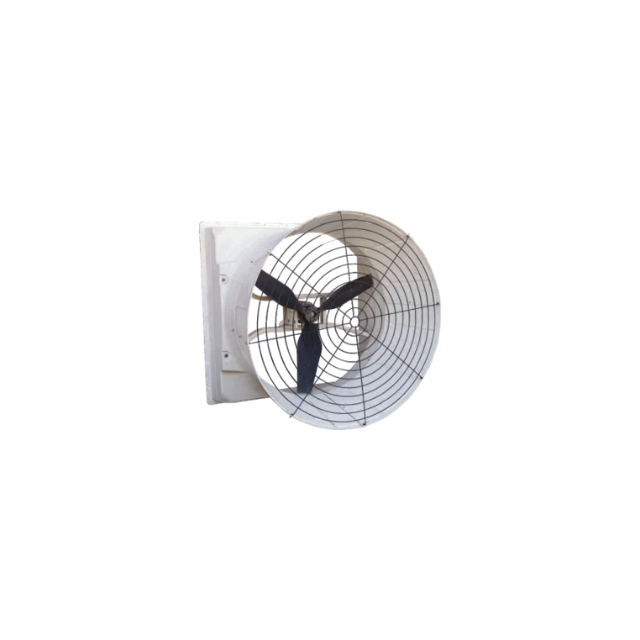
Evaluating capital equipment requires looking beyond initial purchase prices alone. You must measure long-term performance outcomes clearly and objectively. Galvanized steel struggles to survive high-ammonia poultry and swine environments. These unprotected metal units typically fail within three to seven years. Conversely, high-quality composite housings routinely perform well for over fifteen to twenty years.
Energy efficiency separates the two competing materials drastically. Metal housings warp and bend as they degrade over time. This physical warping causes significant air leakage and mechanical vibration. The gap between the blade tip and the housing widens. This widening allows air to slip backward, reducing overall pressure. FRP remains entirely rigid throughout its entire operational lifecycle. Rigid composite frames ensure completely consistent airflow efficiency. You maintain your target CFM per watt effortlessly year after year.
Maintenance burdens differ significantly between the two options as well. Metal requires constant visual inspection for structural failures. You must check steel welds and sharp seams for rust regularly. FRP requires only standard sanitary washdowns between animal flocks. You spray the smooth surface clean and move on quickly.
| Evaluation Dimension | Galvanized Steel Housing | Fiberglass Reinforced Plastic (FRP) |
|---|---|---|
| Expected Operational Lifespan | 3–7 years (high ammonia exposure) | 15–20+ years |
| Long-Term Energy Efficiency | Declines rapidly as the housing warps | Maintains consistent CFM/Watt metrics |
| Routine Maintenance Needs | Frequent rust checks, manual recoating | Standard automated or manual pressure washing |
| Overall Corrosion Resistance | Low (galvanized coating degrades quickly) | Extremely High (inherently non-reactive) |
We fully acknowledge the higher initial capital expenditure for composite materials. Bare steel definitely costs less money upfront. However, the long-term operational benefits appear very quickly. You realize substantial maintenance savings by simply avoiding the very first replacement cycle.
Ventilation efficiency relies heavily on optimized physical geometry. The specialized cone shape plays a vital aerodynamic role. It ensures smooth airflow recovery as air exits the building envelope. A well-designed discharge cone minimizes internal back-pressure significantly. Lower back-pressure means electric motors consume far less electricity. The fan moves more air using less overall energy.
Advanced manufacturing processes give composites a distinct aerodynamic edge. Molding an FRP fan cone allows for perfectly smooth shapes. You get seamless, continuous bell-mouth curves without interruptions. Metal cones cannot replicate this perfectly smooth curvature easily. They often require overlapping seams, heavy rivets, or sharp metal bends. These physical metal imperfections create disruptive micro-turbulence. Turbulence disrupts laminar airflow and steals valuable operational efficiency.
FRP also delivers exceptional mechanical vibration dampening. The dense composite material features natural acoustic absorption properties. It absorbs kinetic energy rather than amplifying it like a drum. This specific characteristic reduces overall barn noise noticeably. Lower ambient noise levels directly reduce animal stress. Reduced stress often translates directly into better feeding habits and growth rates.
Vibration dampening protects the expensive internal equipment itself too. Internal motor mounts suffer far less fatigue over time. You protect sensitive bearings and metal brackets from continuous shaking. A smoother running mechanical system simply lasts much longer.
Upgrading your ventilation facility requires careful, methodical planning. You cannot simply swap old units without checking structural requirements first. Wall framing compatibility is your absolutely first major consideration. Composite units feel lightweight but remain structurally rigid. Framing dimensional adjustments may be necessary during building retrofits. Moving from heavy steel units requires checking load-bearing wooden points carefully.
Sealing techniques and hardware selection demand strict attention. You must use high-quality stainless steel mounting hardware always. Standard galvanized steel bolts will rust immediately in these environments. Using a premium composite housing alongside cheap bolts ruins the installation entirely. Rusting bolts will eventually fail, potentially dropping the unit entirely. You must maintain true corrosion resistance across every single component.
Consider your external shutter and internal louver pairings closely. A non-corrosive housing desperately needs equally durable accessories. We highly recommend pairing these housings with heavy-duty PVC shutters. Marine-grade aluminum shutters also provide excellent long-term durability. This deliberate strategy maintains a fully non-corrosive air pathway.
Common implementation mistakes you must actively avoid:
You must treat the entire installation as a complete environmental system.
Not all composite materials offer identical field performance. You must evaluate potential manufacturers using very strict criteria. Ultraviolet (UV) protection stands out as a critical success factor. Ensure your chosen manufacturer uses premium UV-inhibited resins. High-quality exterior gel coats also provide essential sun protection. Standard unprotected fiberglass can chalk or turn brittle surprisingly quickly. Direct sunlight destroys unprotected composite resins over time.
Check the exact minimum wall thickness specifications carefully. You want to avoid cheap, flimsy fiberglass completely. Thin materials vibrate excessively under heavy aerodynamic load. Ask for precise resin quality metrics upfront before buying. High-quality resins guarantee long-term structural stability and safety. Industry-standard testing certifications add massive credibility.
Verify motor and fan blade compatibility extensively. The composite housing must accept high-efficiency motors seamlessly. Look for direct compatibility involving variable speed or modern direct drive systems. Ensure the housing fully supports heavy-duty, corrosion-resistant blades. Heavy fiberglass or cast aluminum blades work perfectly in these specific setups.
Finally, evaluate the provided warranty terms thoroughly. You need written warranties specifically covering harsh agricultural environments. Commercial-use warranties often explicitly exclude high-ammonia livestock exposure. Read the fine print regarding composite housing degradation. A confident manufacturer will guarantee performance in livestock conditions clearly.
Surviving the harsh chemical realities of a livestock building requires specific materials. You need robust equipment built explicitly for this demanding environment. Adapting standard materials no longer makes sound operational sense. Rust and degradation steal electrical efficiency daily.
Composite materials represent a necessary and smart operational shift. You finally move away from constant reactive maintenance. You stop fixing rust and replacing broken metal frames constantly. Instead, you make a highly proactive infrastructure investment. Composite technology provides operational stability, aerodynamic efficiency, and profound longevity.
Facility managers should conduct immediate physical audits of current equipment. Inspect your existing metal frames for severe pitting and warping. Calculate your recent manual labor costs for continuous maintenance. Request a detailed performance assessment from a qualified composite manufacturer today. You will quickly see the true value of upgrading your systems.
A: High-quality agricultural FRP is engineered to withstand extreme temperature fluctuations without becoming dangerously brittle, though direct, heavy mechanical impacts in sub-zero temps should be avoided.
A: FRP can be safely pressure-washed using standard farm disinfectants and detergents. Unlike scratched galvanized steel, the composite surface does not harbor deep rust pockets.
A: Yes. The housing is strictly the structural and aerodynamic shell. As long as the installed motor matches your controller’s voltage and phase requirements, the material of the housing does not affect electronic integration.
