


Views: 0 Author: Site Editor Publish Time: 2026-06-29 Origin: Site


Thermal management failure isn't just an inconvenience for systems operating in harsh, wet, or particulate-heavy environments. It represents a critical point of catastrophic system failure. Engineers constantly battle against condensation, rain, and corrosive dust destroying sensitive electronics. Standard AC or DC fans degrade rapidly under continuous moisture exposure. A waterproof EC axial fan bridges the gap between high-efficiency smart cooling and rugged environmental resilience. These units utilize fully encapsulated motors to block harmful elements effectively. This guide breaks down the primary use cases, deployment realities, and technical criteria for specifying these robust fans. You will discover how to implement them in commercial and industrial applications without over-engineering your thermal budget. We will cover exact application alignments, IP rating evaluations, and integration risks to ensure long-lasting performance.
Engineers face severe challenges in harsh operational environments. Condensation constantly attacks standard unsealed motors. Rain and airborne particles destroy delicate internal components rapidly. They cause premature bearing failures almost predictably. You will often see electrical shorts in unprotected units. Traditional cooling systems simply cannot survive continuous exposure to these elements.
Electronically Commutated (EC) motors provide a massive advantage here. They offer precise internal speed control. You can manage their speed dynamically using PWM or 0-10V signals. They operate at much lower temperatures than older standard models. Manufacturers fully encapsulate these motors in protective resin during assembly. This waterproofing eliminates the frequent replacement cycles of traditional AC/DC fans. It saves you from constantly swapping out dead equipment in the field.
Evaluating these deployments requires highly specific success criteria. You must achieve your targeted CFM consistently. Your system needs continuous operation throughout its intended warranty lifecycle. You must accomplish this goal without generating excessive acoustic noise. You also cannot waste precious electrical energy. A proper deployment balances airflow demands against rugged environmental protection perfectly.
When specifying an outdoor ventilation fan, engineers must align the cooling technology to the primary sector demands. The following industries treat encapsulated EC units as standard-issue equipment.
EV chargers generate massive internal heat during rapid charging cycles. Solar inverters face similar thermal challenges managing heavy electrical loads. They sit outdoors constantly, fighting severe weather patterns. Rain, snow, and extreme temperature fluctuations batter these critical enclosures daily. Standard fans fail quickly under these harsh conditions.
An EC axial fan solves this problem beautifully. It provides the necessary high airflow to cool large solar inverters. The IP-rated stators prevent water ingress during heavy storms. They keep the internal electronics entirely safe and dry. You get reliable thermal management regardless of the local weather.
Remote telecom cabinets require highly reliable cooling. They protect incredibly sensitive networking gear. You cannot afford frequent maintenance visits to remote cell towers. Zero-maintenance operation remains a mandatory requirement.
Smart speed control makes EC fans ideal for telecom. The fans ramp up only when cabinet temperatures rise. This precise control saves critical grid or battery power. They survive high-humidity coastal environments easily. They also resist heavy dust in dry rural areas. You ensure maximum network uptime while minimizing energy waste.
Food processing plants present extreme environmental challenges. Commercial refrigeration units face constant condensation cycles. High-pressure chemical washdowns happen daily in sanitation zones. Traditional motors die almost instantly during a chemical washdown.
Fully sealed EC fans endure direct moisture effortlessly. They survive harsh chemical sprays during cleaning routines. They also meet strict energy-efficiency compliance standards globally. You will satisfy mandatory ErP directives easily. They keep your facility both compliant and fully operational.
Commercial agriculture represents a worst-case scenario for rotating equipment. Greenhouses contain extremely high humidity levels. Automated misting systems spray water constantly into the air. Airborne agricultural dust clogs traditional fan bearings rapidly.
Sealed EC axial units resist both moisture and heavy dust. They ensure consistent air circulation across massive indoor spaces. This steady airflow prevents dangerous crop diseases from spreading. They run continuously without burning out their internal stators. You protect your valuable crop yields reliably.
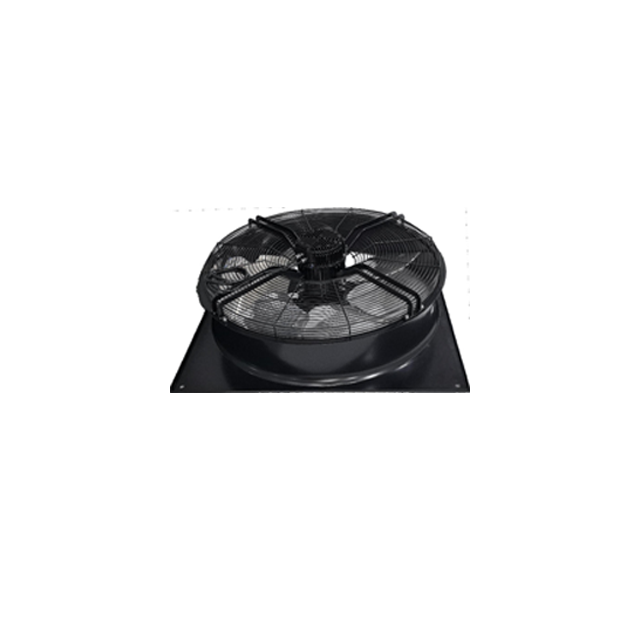
Avoid over-speccing your thermal management system. Paying for IP68 protection wastes budget if completely unnecessary. Continuous submersion ratings are rarely needed for occasional light splashing. You must match the exact Ingress Protection (IP) rating to reality.
Consider the differences between IP55 and IP68 standards:
The matrix below highlights common environmental alignments:
| IP Rating | Moisture Exposure Level | Primary Industrial Application |
|---|---|---|
| IP54 | Light splashing from any direction | Indoor warehouses, covered telecom cabinets |
| IP55 | Low-pressure water jets | Standard outdoor EV chargers, HVAC units |
| IP67 | Temporary immersion (up to 1m) | Heavy agricultural washdown, coastal equipment |
| IP68 | Continuous submersion under pressure | Marine vessels, flood-prone infrastructure |
Beyond the motor itself, evaluate other components carefully. Examine the housing and impeller materials closely before purchasing. UV-resistant plastics prevent degradation from direct sunlight. Aluminum die-cast frames offer excellent structural rigidity. Ensure all outer materials provide heavy corrosion resistance.
Understand the strict difference between axial and centrifugal aerodynamic designs. Axial fans provide high airflow volume (CFM). They operate best at low to medium static pressure environments. Your system might have dense internal resistance. Thick HEPA filters restrict internal air movement significantly. An axial fan might struggle in this highly restrictive scenario. Its waterproof rating will not overcome a bad aerodynamic application.
You must conduct a thorough cost-benefit analysis. Waterproof EC fans cost significantly more initially. They carry a noticeable premium over standard unsealed DC fans. However, operational costs paint a much different picture. They offer massive energy savings continuously. You can save up to 70% in power consumption compared to AC fans. You also eliminate expensive truck rolls for field fan replacements. These operational factors typically yield a rapid payback period. You often see full ROI in 12 to 18 months for continuous-duty commercial applications.
Maintain transparent assumptions during your engineering design phase. Assuming a waterproof fan solves all moisture problems is risky. Condensation still occurs inside the cabinet naturally. Water vapor travels past the spinning fan easily. You must manage moisture on internal electronics downstream. Use conformal coatings on your critical PCB boards. Use cabinet heaters to prevent dew point condensation.
Pay close attention to your wiring and electrical connections. The fan motor itself might carry an IP68 rating. However, exposed wire leads will ruin the entire system. Unprotected connectors invite rapid galvanic corrosion. If PWM control terminals get wet, the thermal management fails. You must specify high-quality waterproof connectors during assembly.
Consider your physical mounting orientations carefully. Do not mount fans where water can pool indefinitely. Standing water eventually degrades any protective bearing seal. Implement proper internal drainage paths within your enclosure design. Let gravity pull dangerous moisture away from the fan motor.
Shortlisting reliable vendors requires strict technical criteria. Focus on these specific deliverables during procurement:
Waterproof EC axial fans remain the definitive choice for harsh environmental conditions. They excel in outdoor ventilation, heavy washdown areas, and agricultural zones. They handle fluctuating extreme environments perfectly while reducing long-term energy consumption.
Buyers must take specific next steps before issuing a final purchase order. Audit your enclosure’s actual static pressure requirements first. Determine the minimum viable IP rating to avoid unnecessary overspending. Request detailed lifecycle cost analyses from short-listed manufacturers. This data will validate the initial EC investment premium. You will secure reliable cooling and excellent long-term operational value.
A: Only if it is explicitly rated IP68. However, axial fans are designed specifically to move air, not water. Submerged operation will drastically alter fluid dynamics, power draw, and mechanical performance. It is rarely recommended for active cooling purposes.
A: Generally, no. The encapsulation process pots the motor in resin. This adds slight weight but does not negatively impact the aerodynamic design of the blades. Your CFM and static pressure output remain completely unaffected.
A: Yes, but buyers must carefully verify the operating temperature range. Moisture freezing on the blades can lock the impeller. Fortunately, EC motors feature smart internal controls. These include locked-rotor protection to prevent the motor from burning out if frozen.
