


Views: 0 Author: Site Editor Publish Time: 2026-08-25 Origin: Site


Tightening regulatory standards for energy efficiency constantly reshape how modern industrial environments operate. Facility managers and original equipment manufacturers face ever-increasing operational demands today. They must aggressively re-evaluate their thermal management strategies to maintain optimal facility performance. Traditional commercial power setups often struggle to deliver industrial-grade efficiency without requiring massive infrastructure overhauls. A single phase EC fan bridges this performance gap flawlessly. It pairs universally available single-phase power with advanced Electronically Commutated (EC) technology to drastically reduce electrical consumption.
This comprehensive guide serves as your strategic decision-making framework. You will discover how to evaluate application viability, system compatibility, and potential physical retrofit risks. We will outline the exact steps necessary to deploy these highly efficient cooling systems properly. Understanding these core mechanics helps you navigate complex upgrades safely. You can confidently modernize your commercial ventilation systems while aligning with strict global energy directives.
ROI Focus: Single phase EC fans typically yield energy savings of 30–70% compared to standard AC fans, significantly shortening payback periods despite higher initial CapEx.
Beyond Energy: Core advantages include integrated variable speed control, reduced acoustic noise, and lower motor operating temperatures.
Drop-In Feasibility: Modern single phase EC fan units are increasingly designed for direct retrofitting into existing AC infrastructure, though control system compatibility requires verification.
Traditional alternating current (AC) motors suffer from severe efficiency drops during partial load conditions. They constantly draw excess power even when running well below their maximum designed capacity. To adjust their operational speed, you typically must install bulky external Variable Frequency Drives (VFDs). These external drives add unnecessary wiring complexity to your existing HVAC infrastructure. They also introduce multiple potential points of failure within critical ventilation networks. This legacy design forces facility operators to accept high baseline energy waste. It makes precise environmental control incredibly difficult to achieve using older equipment.
A single phase EC motor solves this fundamental inefficiency problem entirely. It physically integrates the motor components and advanced electronic controls into one compact housing unit. The system continuously converts incoming AC power into DC power internally. This seamless internal conversion eliminates standard motor slip losses completely. It guarantees maximum mechanical efficiency regardless of your current operational speed. The motor adjusts its output dynamically based on real-time system demands. You no longer waste electricity pushing air through ductwork when building temperatures stabilize.
Defining a successful system upgrade requires looking beyond simple component replacement. A successful integration fundamentally transforms your overall system performance metrics. In commercial data centers, you will document a noticeably lower Power Usage Effectiveness (PUE) rating. For large-scale commercial buildings, success means achieving immediate compliance with stringent European ErP directives and similar global standards. Upgraded facilities also experience significantly reduced routine maintenance cycles. Equipment runs smoother, lasts longer, and demands less daily intervention from your engineering teams.
These specialized fans offer seamless integrated smart control right out of the box. You can easily manage them using native 0-10V analog signals or Pulse Width Modulation (PWM) inputs. This intelligent connectivity lets you match airflow exactly to real-time cooling demands automatically. Traditional AC motors paired with external VFDs frequently produce a highly annoying electromagnetic hum. EC fans eliminate this disruptive acoustic interference completely. They ramp rotational speeds up or down smoothly without generating electronic harmonic distortions.
Modern occupied commercial spaces demand exceptionally quiet operational environments. Optimized impeller aerodynamics work perfectly alongside internal DC commutation mechanisms to lower noise profiles drastically. You achieve necessary high-volume airflow without the loud droning sounds typical of older industrial ventilation equipment. This superior acoustic performance proves critical for installations near office workspaces, hospitals, or public retail zones. Employees and visitors remain undisturbed while the building maintains perfect internal air quality.
Original equipment manufacturers building systems for international markets face constant electrical inventory challenges. Many modernized single-phase EC fans inherently accept a remarkably wide voltage range natively. They operate effortlessly across inputs ranging between 115V and 230V. They automatically adapt to either 50Hz or 60Hz grid frequencies without manual switching. This built-in flexibility streamlines your global supply chain immensely. You no longer need to stock distinct motor variants for different regional power grids.
Excessive heat systematically destroys internal motor components over long periods. EC motors run considerably cooler than their traditional AC market equivalents. Their superior internal efficiency means they lose very little energy as waste heat. These lower operating temperatures directly preserve the sensitive internal bearing grease. This thermal efficiency ultimately extends the active operational lifespan of the entire ventilation unit. You avoid premature mechanical failures simply because the motor manages its own thermal load efficiently.
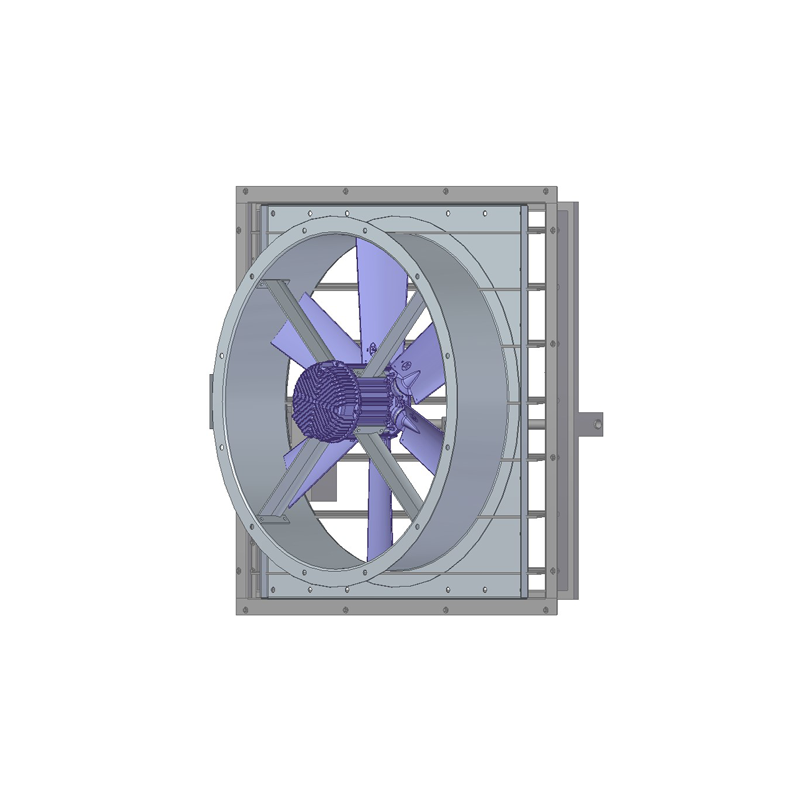
Modern data centers battle relentless, high-density heat loads constantly. Densely packed servers generate enormous thermal output during continuous data processing operations. Standard fixed-speed cooling often overcools entire rooms inefficiently. EC fans installed within Computer Room Air Conditioning (CRAC) units tackle this dynamic environment beautifully. They respond instantly to localized heat spikes within specific server rack aisles. They increase airflow strictly where thermal sensors detect rising temperatures. This highly precise, targeted cooling strategy directly lowers your entire facility's Power Usage Effectiveness (PUE). It ensures delicate networking equipment stays within safe operational thermal boundaries continuously.
Commercial building ventilation requires consistent, balanced air distribution across multiple floors. Extremely long duct runs frequently suffer from highly fluctuating static pressure levels. As building occupants open doors or adjust local dampers, duct resistance changes rapidly. EC duct fans adapt to these fluctuating system changes automatically. They maintain perfectly constant airflow volumes despite varying static resistance levels inside the sheet metal. This continuous self-adjustment guarantees optimal indoor air quality across sprawling commercial complexes. Facility managers avoid dead zones or stagnant air pockets in remote corners of the building.
Supermarket display cases and large industrial cold storage units demand absolute reliability. Standard AC fans generate noticeable excess heat directly into the chilled environment during their operation. This parasitic heat forces the primary refrigeration compressor to work much harder to maintain target temperatures. EC fans offer a highly lucrative double benefit in these demanding cold applications. They consume substantially less electrical energy to spin their blades. Simultaneously, their cooler motor operation rejects far less waste heat into the valuable refrigerated space itself. This compound effect significantly reduces the overall workload placed on your core compressor systems.
Comparing lifecycle energy performance reveals stark contrasts between these two competing technologies. Over a typical five-year operational lifecycle, EC technology drastically outperforms standard AC options in overall efficiency. You drastically reduce total electricity consumption because the motor adjusts output dynamically rather than running at constant full speed. Routine maintenance demands drop significantly since cooler running temperatures continuously preserve sensitive mechanical parts. This extended durability limits facility downtime and reduces the frequency of emergency component replacements.
System complexity differs wildly when evaluating installation and commissioning procedures. Modern EC solutions are virtually plug-and-play components straight from the manufacturer. They contain all necessary control electronics safely enclosed inside the primary motor housing. Contrast this elegant design against standard commercial AC setups. To achieve true variable speed, AC motors require external VFD panels, complex extra wiring, and separate external sensors. This scattered architecture adds multiple potential failure points to your critical infrastructure. It also demands highly specialized technicians for initial electrical commissioning.
Sticking with older AC technology sometimes makes practical engineering sense under specific constraints. You might manage a strict run-to-failure industrial environment where variable speed control holds absolutely zero value. If your facility runs extraction fans strictly at 100% capacity continuously, standard AC units function adequately. Additionally, highly corrosive, explosive, or ultra-extreme temperature environments might damage integrated EC microelectronics prematurely. In those rare, harsh conditions, simpler mechanical AC motors often provide rugged, uncomplicated durability.
System Feature | Single Phase EC Technology | Standard AC Technology |
|---|---|---|
Speed Control Methodology | Built-in electronic commutation and control | Requires external Variable Frequency Drive |
Energy Efficiency Profile | Maintains high efficiency across all operating speeds | Efficiency drops significantly at partial loads |
Acoustic Noise Levels | Exceptionally low, zero electromagnetic hum | Moderate to high, distinct VFD whine present |
Installation Complexity | Plug-and-play internal integration | Complex external wiring and panel mounting |
Operating Temperatures | Runs cool, extending internal bearing life | Generates considerable waste heat during operation |
Facility upgrades rarely involve simple, straightforward component swaps. You must rigorously account for potential physical footprint differences first. Always verify your strictly required impeller sizes carefully before ordering replacement parts. Check existing mounting hole alignments and internal depth clearances inside your current HVAC housing. EC motors sometimes feature slightly longer rear profiles to accommodate their internal electronics. You absolutely do not want physical interference or spatial conflicts when installing the new ventilation unit. Measuring these precise mechanical constraints upfront prevents expensive installation delays later.
Incompatible Building Management Systems (BMS) pose a serious integration risk. You must ensure your existing facility controls can handle modern digital communication protocols. Verify whether your panels support Modbus RTU, PWM, or standard 0-10V analog signals natively. If your legacy BMS cannot communicate directly with the integrated motor electronics, you lose the primary efficiency gains completely. The system will default to basic on/off operations, negating the precise variable-speed benefits you intended to achieve. Engage your controls contractor early to confirm seamless software and hardware handshakes.
Global energy codes grow noticeably stricter every single calendar year. Transitioning immediately to EC technology proactively addresses stringent ErP (Energy-related Products) directives. You stay comfortably ahead of upcoming local municipal building codes. This highly proactive approach prevents forced, rushed equipment upgrades when new regulatory legislation suddenly takes effect. Forward-thinking facility planning ensures your building remains fully compliant without incurring sudden regulatory fines.
Follow this proven sequence when planning your specific retrofit project:
Measure your existing physical constraints, focusing specifically on depth and mounting bracket layouts.
Verify your current BMS communication protocols with a qualified controls engineer.
Select an appropriately rated unit matching your precise airflow and static pressure requirements.
Perform a single-unit pilot installation to test software integration before mass deployment.
Never guess your critical aerodynamic performance metrics during the selection phase. Map out your exact Cubic Feet per Minute (CFM) requirements precisely using specialized flow meters. Plot these volume requirements directly against your total calculated system resistance. Every duct bend, filter, and damper adds static pressure to your network. Selecting an oversized or undersized fan ruins your operational efficiency goals incredibly quickly. Use manufacturer-provided fan curve charts to find the absolute perfect intersection of airflow and required pressure.
Operating environments strictly dictate your necessary hardware protection levels. Assess clearly whether your specific application requires an IP54, IP55, or even higher protective rating. Higher Ingress Protection (IP) ratings actively shield the sensitive integrated electronics from harmful environmental factors. Fine industrial dust, high humidity, and direct water sprays can destroy unprotected circuitry quickly. Pay special attention to this rating if installing units in outdoor rooftop applications or active food processing wash-down zones.
Hardware quality only represents part of the total purchasing equation. Evaluate the overall corporate credibility and technical history of your chosen supplier carefully. Ensure they offer customized programming options tailored for your specific facility duty cycles. Verify their global supply chain reliability for fast replacement parts down the line. A reliable manufacturing partner provides comprehensive engineering support during your critical initial commissioning phase. They help troubleshoot complex BMS integration challenges effectively when software issues inevitably arise.
A modernized ventilation strategy demands highly responsive, intelligent equipment. Compounding energy savings and significantly reduced mechanical maintenance make this technology the definitive choice today. It excels exceptionally well in modern, variable-demand commercial applications where environmental needs fluctuate constantly. The internal electronic commutation removes the heavy burden of managing external VFD panels completely. Facility operators gain precise environmental control while simultaneously lowering their overall facility energy footprint.
Audit your current AC fan energy usage immediately to identify prime upgrade candidates. Look for older units running continuously at partial loads. Consult directly with a qualified applications engineer to map out your specific aerodynamic needs accurately. Request a test unit to perform a small-scale pilot retrofit. This localized testing validates theoretical performance gains before you roll out a massive, facility-wide upgrade.
EC technology guarantees superior operational efficiency even at reduced partial loads.
Built-in intelligent controllers eliminate complex external wiring and panel space requirements.
Careful physical measurement prevents unexpected spatial conflicts during legacy equipment retrofits.
Pilot retrofits help engineering teams validate expected system performance safely.
A: Yes, many modern EC fans feature drop-in replacement designs tailored for common industrial footprints. However, you must carefully verify incoming voltage matching and physical form factor compatibility beforehand. Always check impeller dimensions, mounting bracket alignments, and available rear depth clearance before attempting a direct mechanical swap.
A: No. A primary advantage of this technology is the built-in electronic commutation. All necessary speed control components sit securely inside the main motor housing. This integrated design completely eliminates the need for expensive, bulky external Variable Frequency Drives.
A: Facilities typically see significant energy use reductions within the first few months. The timeline to offset the initial upgrade energy footprint generally ranges from 1 to 3 years, depending heavily on your continuous duty cycle and local electrical load requirements.
A: You control the rotational speed using several built-in digital or analog methods. Most units natively accept a standard 0-10V analog signal or a Pulse Width Modulation (PWM) signal. For advanced digital integration, many modern fans support Modbus RTU, allowing seamless direct communication with centralized Building Management Systems.
