


Views: 0 Author: Site Editor Publish Time: 2025-12-23 Origin: Site


Did you know that an imbalanced fan impeller could be silently driving up your energy costs and shortening the lifespan of your equipment? Many industrial systems suffer from hidden imbalances that lead to excessive vibrations, damaging critical components and costing more than necessary. In this article, we’ll explore how to balance a fan impeller, why it’s crucial for your system’s performance, and how this simple process can save you money in the long run. You’ll learn the steps involved in balancing, as well as the benefits of regular maintenance to keep your fan running efficiently and safely.
Fan impeller imbalance occurs when the mass distribution around the impeller's axis is uneven. The most common causes of imbalance include:
Wear: Over time, fan blades experience abrasive wear due to continuous exposure to airflow and environmental particles. This wear leads to uneven thickness in the blades, creating an imbalance. The irregular mass distribution increases centrifugal forces, resulting in vibrations that affect the fan's stability and performance.
Dirt Accumulation: Dust, grease, and other contaminants can collect on the fan blades, especially in industrial environments. This accumulation distorts the weight distribution, causing uneven forces during rotation. Even small deposits can significantly affect balance, leading to vibrations that may strain bearings and other critical components.
Misalignment: Misalignment between the fan impeller and its shaft or housing can cause eccentric rotation. This occurs when the fan blades are not aligned with the motor’s axis, resulting in an uneven distribution of mass. Misalignment increases mechanical stress, accelerates wear, and can lead to more severe damage if not addressed promptly.
Loss of Balancing Weights: Many fan impellers are balanced using additional weights that help counteract imbalances. If these weights degrade, loosen, or fall off over time, the impeller can become unbalanced. Loss of balancing weights is particularly problematic in high-speed fans where even a small imbalance can cause significant operational issues.
Imbalance in fan impellers leads to increased vibrations that can severely affect the fan’s operation. The dangers include:
Increased Vibration: Imbalance generates excessive vibrations, which can disrupt the operation of the fan. These vibrations place additional stress on components such as bearings, seals, and shafts, potentially leading to premature failure. Vibration can also cause discomfort and safety hazards in environments where noise control is crucial.
Higher Energy Consumption: An imbalanced fan requires more power to operate because the imbalance creates additional resistance. The energy spent overcoming the imbalance reduces the system’s overall efficiency, leading to higher electricity costs. In some cases, the extra energy consumption can significantly impact the bottom line in large-scale industrial systems.
Reduced Fan Performance: Fan performance is directly impacted by imbalance as it disrupts the uniform airflow needed for optimal operation. Unbalanced fans tend to have fluctuating airflow, reduced air pressure, and less effective ventilation or cooling. This leads to inefficiencies in the system, making it less reliable and potentially causing overheating in critical equipment.
Operational Risks: The continuous strain caused by vibrations increases the risk of mechanical failure, especially in high-speed fans. This not only compromises the fan's performance but can also lead to sudden breakdowns, unplanned downtime, and expensive repairs. In industrial settings, these failures can cause significant production losses and safety concerns.
An imbalanced fan impeller can reduce the efficiency of the system, leading to:
Increased Noise: Unbalanced fans produce loud, disruptive sounds due to irregular rotational forces. The vibrations generated by the imbalance cause the fan housing to resonate, amplifying noise levels. This not only affects the work environment but can also lead to regulatory issues in facilities where noise levels are strictly controlled.
Energy Wastage: Imbalance leads to inefficient fan operation, as more energy is required to maintain airflow. As the fan works harder to overcome the imbalance, the system consumes more power, increasing energy costs. Over time, this inefficiency can become a significant financial burden, particularly in large systems running continuously.
Shorter Equipment Lifespan: Continuous vibrations from an imbalanced fan contribute to wear and tear on mechanical components like bearings, seals, and the fan impeller itself. This accelerated degradation can significantly reduce the lifespan of the fan and the entire ventilation or pumping system. Regular maintenance and balancing are crucial to prevent early equipment failure.
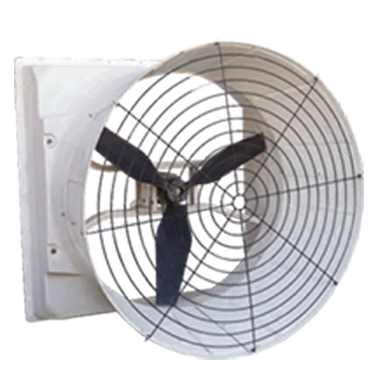
Static balancing is the simplest form of balancing, typically used for low-speed fans. The process involves placing the impeller on a horizontal axis to identify the heavy spot, which naturally settles at the bottom. The heavy side is then corrected by adding small weights or removing material. This method works best for fans with relatively simple designs.
Limitations:
Only effective for single-plane imbalances.
Not suitable for higher-speed or more complex fan impellers.
Dynamic balancing is used for more complex and high-speed fans, correcting imbalances in both the rotational and axial planes. It involves using vibration sensors to measure the amplitude and phase of the vibrations at various points. Once the imbalance is identified, corrective weights are added or material is removed at precise points to balance the fan impeller.
How it Works:
| Step | Action | Application | Considerations | Efficiency | Effectiveness | Technical Requirements |
|---|---|---|---|---|---|---|
| Vibration Measurement | Use sensors to measure vibration in two planes (rotational and axial). | Identifies the location and extent of the imbalance. | Accurate placement of sensors is crucial for reliable data. | Quick measurement once sensors are placed. | Provides a precise diagnosis of imbalance location and severity. | Requires vibration sensors, accelerometers, and software analysis. |
| Analysis of Vibration Data | Analyze vibration data to assess frequency and amplitude. | Helps determine the specific areas that need correction. | Analyze both rotational and axial vibrations for full assessment. | Requires specialized software to interpret the data. | Ensures an accurate understanding of the imbalance’s characteristics. | Data interpretation software and vibration analysis tools. |
| Correction Weights Application | Apply corrective weights in both planes to eliminate imbalance. | Balances the fan by adjusting mass distribution in each plane. | Correct placement of weights is essential to avoid further imbalance. | Moderately time-consuming based on imbalance severity. | Corrects imbalance effectively when done properly. | Requires precision tools and knowledge for weight placement. |
| Final Testing and Confirmation | Test the fan again to verify vibration levels after corrections. | Ensures that the imbalance has been effectively corrected. | Re-measure vibrations after weight application to confirm success. | Time-efficient if the imbalance is corrected in the first round. | Confirms if the fan is properly balanced and operating smoothly. | Repeated measurements and advanced diagnostic tools. |
When deciding between static and dynamic balancing, the choice depends on factors like fan speed, design complexity, and application. The following table provides a clear comparison to help guide your decision.
| Criteria | Static Balancing | Dynamic Balancing |
|---|---|---|
| Fan Speed | Suitable for low-speed fans | Required for high-speed or variable-speed fans |
| Complexity of Design | Best for simple fans with few blades | Ideal for complex fans with multiple blades or intricate designs |
| Application | Common in small or low-speed systems (e.g., ceiling fans) | Common in industrial fans, centrifugal fans, and systems requiring precise balance |
| Efficiency | Quick and easy to perform | More time-consuming, requires precise measurement and adjustments |
| Effectiveness | Effective for single-plane imbalances | Corrects both single-plane and two-plane imbalances, offering more accuracy |
| Technology/Tools | Minimal equipment required (simple balancing stand) | Requires advanced equipment like vibration sensors, dynamic balancers, and tachometers |
| Precision | Provides basic balancing, not suitable for high-performance systems | Provides high-precision balancing, ensuring minimal vibration |
| Accuracy of Results | Sufficient for simple applications, less accurate for high-speed fans | Highly accurate, suitable for complex fans with high-speed rotation |
| Cost | Cost-effective for smaller systems | Higher cost due to the need for specialized equipment and more complex processes |
| Maintenance | Less frequent balancing needed | Regular balancing required, especially for high-speed systems or after repairs |
| Technical Requirements | Requires basic knowledge of fan mechanics | Requires technical expertise and experience in vibration analysis and balancing |
Tip: For industrial applications or high-speed fans, dynamic balancing is essential to maintain optimal performance and prevent long-term damage due to imbalances.
Balancing a fan impeller involves several crucial steps, from initial vibration measurement to the final confirmation. The table below outlines the process in a structured way, highlighting the key actions, considerations, and technical requirements at each stage.
| Step | Action | Application | Considerations | Efficiency | Effectiveness | Technical Requirements |
|---|---|---|---|---|---|---|
| Step 1: Initial Vibration Measurement | Measure baseline vibration using vibration sensors (typically accelerometers). | Provides a starting point for imbalance detection. | Ensure proper placement of sensors for accurate baseline data. | Quick measurement for initial diagnosis. | Crucial for understanding the extent of imbalance. | Requires knowledge of vibration analysis and sensor placement. |
| Step 2: Calibration and Test Weights | Attach a known test weight to the impeller and run the fan again. | Helps determine the imbalance location and magnitude. | Proper calibration ensures accuracy in identifying correction points. | Moderate time required for test weight installation and measurement. | Confirms imbalance locations for accurate correction. | Use of test weights and vibration sensors to calibrate and measure. |
| Step 3: Corrective Actions and Adjustments | Add Weights: Attach weights to the light side of the impeller. Remove Material: Grind or drill material from heavier spots. | Corrects imbalance by adjusting the mass distribution. | Attach weight precisely or remove material carefully to maintain balance. | Can take time based on the extent of imbalance; involves careful adjustments. | Provides precise correction of imbalance to restore balance. | Requires skilled technicians to apply weights or remove material accurately. |
| Step 4: Final Check and Confirmation | Run the fan again to check vibration levels after corrective actions. | Verifies that the fan is balanced and vibration is within acceptable limits. | Minor adjustments may be needed based on final vibration measurements. | Time-efficient if corrections are successful. | Final check confirms that vibration levels are acceptable. | Repeat measurements to ensure accuracy of final adjustments. |
Tip: Ensure that corrective actions are based on precise measurements to avoid over-compensating or under-correcting the imbalance, which can lead to further issues.
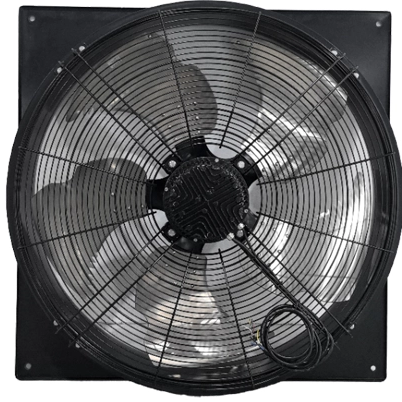
To perform dynamic balancing accurately, the following tools are essential:
Portable Dynamic Balancers: These are crucial tools used to measure vibrations in real time during operation. They provide data on the imbalance location and its magnitude, guiding the operator in precisely placing corrective weights. Advanced models may also provide real-time analysis and visual feedback, making them essential for complex fans.
Vibration Analyzers: These devices capture detailed vibration data, including frequency and amplitude, which are key to identifying imbalance patterns. The data is typically analyzed in a spectrum report, allowing operators to identify specific issues like resonance or harmonic frequencies. Accurate analysis is critical for pinpointing the exact source of imbalance.
Tachometers: Tachometers are used to measure the rotational speed of the fan, ensuring it operates within the specified range during testing. Accurate speed measurement is vital because an imbalance's effect may vary with rotational speed. Tachometers ensure that corrections are made under accurate operating conditions, preventing errors caused by fluctuating speeds.
Operators performing balancing tasks must:
Operators must possess a deep understanding of vibration analysis to accurately diagnose issues with fan impellers. This includes identifying different vibration patterns, such as those caused by imbalance, misalignment, or resonance, and knowing how to apply corrective measures. Proper training enhances the ability to optimize fan performance and prevent costly repairs.
When working with rotating machinery, safety must always be a top priority. Operators should follow established protocols to mitigate risks such as flying debris or sudden machinery movement. Strict adherence to safety procedures, including using personal protective equipment (PPE) and proper lock-out/tag-out (LOTO) techniques, is essential for protecting both personnel and equipment.
Tip: Ensure operators are skilled in vibration diagnostics to identify the root cause of vibrations before balancing the fan impeller.
Regular inspection of the fan impeller is essential to detect early signs of imbalance caused by dirt, wear, or other contaminants. Accumulated dust or grease on the blades alters the mass distribution, leading to imbalance and increased vibration. Implementing vibration monitoring systems allows operators to track performance and detect any changes in vibration patterns. Advanced monitoring systems can also set thresholds for when corrective action is needed, enabling timely intervention before significant damage or energy inefficiency occurs. Regular inspection and monitoring improve operational efficiency and prevent costly repairs.
Balancing should be carried out periodically based on the manufacturer's recommendations, often measured in operational hours or fan cycles. Establishing a regular maintenance schedule helps prevent imbalances before they affect performance. However, if vibration levels exceed recommended thresholds—indicating a noticeable imbalance—immediate balancing is necessary to avoid mechanical failure. Monitoring systems or manual checks can help identify excess vibration, triggering a prompt response. Not addressing these imbalances quickly could lead to permanent damage to bearings, seals, or shafts, increasing downtime and repair costs.
To prevent future imbalances, implementing a proactive maintenance strategy is crucial. This involves regular cleaning of the fan blades to remove debris and ensure even mass distribution. Ensuring proper alignment of the fan and motor shafts is equally important, as misalignment can cause additional stress on the system, leading to imbalance. Replacing damaged or worn blades immediately prevents further wear and avoids creating an imbalance that could affect the entire system. Taking these preventive steps not only enhances fan efficiency but also extends the service life of the impeller and reduces the risk of costly downtime.
Identifying the exact imbalance source can be challenging, especially when multiple factors are at play. The following table breaks down the causes and methods for diagnosing and correcting imbalances.
| Criteria | Details | Application | Considerations | Efficiency | Effectiveness | Technical Requirements |
|---|---|---|---|---|---|---|
| Imbalance Causes | Imbalance can arise from multiple sources, including uneven wear, dirt accumulation, or misalignment. | Helps in identifying root causes for imbalance. | Identifying the exact cause is crucial for effective correction. | Some imbalances are easier to spot, while others require advanced diagnostic tools. | Advanced equipment can pinpoint exact imbalance locations and provide precise corrections. | Requires vibration sensors, accelerometers, and diagnostic software for accurate analysis. |
| Imbalance Detection Methods | Use of vibration analysis tools to assess frequency, amplitude, and patterns. | Essential for identifying imbalances in complex fan systems. | Consider if the imbalance is localized or if it affects multiple points. | More accurate with advanced vibration analysis tools, but requires time for thorough assessment. | Provides in-depth analysis of imbalance sources and correct placement of weights. | Advanced tools like dynamic balancing machines and vibration analyzers are necessary. |
| Challenges | Difficulty arises when imbalances are caused by multiple factors (e.g., wear and misalignment). | Accurate diagnosis requires a methodical approach to testing. | Multiple sources can make it difficult to isolate the specific imbalance. | May require iterative testing and fine-tuning. | Identifies imbalance types (rotational, axial, etc.) for targeted corrections. | Requires skilled operators who can distinguish between different imbalance types. |
Balancing in the field offers convenience but comes with certain challenges. The following table compares field and factory balancing, focusing on efficiency, accuracy, and technical requirements.
| Criteria | Field Balancing | Factory Balancing |
|---|---|---|
| Application | Balancing is performed on-site, often during regular operation or after a failure. | Balancing is performed in a controlled environment, often during manufacturing or after disassembly. |
| Efficiency | Time-saving as it eliminates the need for disassembly and transportation. | More time-consuming as it requires transport and setup. |
| Challenges | Testing under actual operating conditions can be difficult to replicate in the field. | Testing is done under controlled conditions, ensuring consistency. |
| Accuracy | Can be affected by external factors such as temperature, humidity, and vibrations from surrounding equipment. | Higher accuracy due to stable conditions and dedicated equipment. |
| Cost | More cost-effective as it avoids disassembly and transportation costs. | Higher costs due to additional labor and logistics for transport and setup. |
| Technology/Tools | Portable dynamic balancers, vibration analyzers, and tachometers for on-site testing. | Factory settings may use more sophisticated, stationary balancing equipment. |
| Technical Requirements | Requires operators to ensure proper alignment with operational conditions for accurate results. | Requires fewer operational constraints but needs more specialized equipment. |
Balancing a fan impeller significantly reduces vibration, which in turn lowers mechanical stress on components like bearings, seals, and the motor. By reducing this strain, the fan operates more efficiently, requiring less energy to maintain the same performance level. Over time, this reduction in energy consumption translates into lower electricity bills and operational costs. Additionally, less wear and tear on components reduces the frequency of repairs and part replacements, which further cuts down maintenance costs. Optimizing energy efficiency in this way is a key factor in cost-effective and sustainable operations.
A balanced fan impeller ensures smooth and consistent airflow, which is crucial for maintaining optimal system performance. By eliminating the irregular forces caused by unbalanced rotation, a well-balanced impeller improves the fan’s ability to maintain steady air pressure and flow, reducing fluctuations that can impact system efficiency. Moreover, balancing minimizes operational noise, often caused by vibrations, leading to quieter operations. This enhanced airflow and noise reduction contribute to the overall efficiency of HVAC, ventilation, and industrial systems, making them more reliable and effective in their performance.
Proper balancing directly enhances the safety and reliability of the fan system by minimizing the risk of excessive vibration, which can lead to equipment failure. In high-risk environments, such as industrial facilities, fans are critical for maintaining airflow and preventing hazardous conditions. Imbalanced fans, if left unchecked, can cause catastrophic damage to bearings, shafts, and motors, leading to unplanned downtime or even accidents. Regular balancing not only extends the lifespan of the fan but also reduces the likelihood of these failures, ensuring the system operates safely, reliably, and with fewer disruptions to production.
Balancing a fan impeller is crucial for maintaining the efficiency, longevity, and safety of industrial fan systems. Over time, imbalances lead to excessive vibrations, which can cause damage to components, increase energy consumption, and result in unnecessary maintenance costs. Regular balancing helps prevent these issues, ensuring smooth operations and extending equipment lifespan. By understanding the importance of balancing and performing the necessary procedures, you can significantly reduce operational costs, enhance performance, and improve safety. Incorporating fan impeller balancing into your routine maintenance schedule is key to preventing costly repairs and downtime. Suzhou Dowell Ventilation Technology Co., Ltd. offers advanced solutions and services that help optimize fan impeller performance, providing reliable and efficient systems that reduce energy consumption and maintenance costs. Their products ensure long-term reliability and enhanced system efficiency.
A: A fan impeller is a rotating component in a fan that moves air. Balancing is important because it reduces vibrations, improves efficiency, and extends the lifespan of the fan by ensuring smooth operation.
A: If you notice excessive vibration, noise, or higher energy consumption, your fan impeller may need balancing. Monitoring systems can help detect imbalance early.
A: To balance a fan impeller, tools like portable dynamic balancers, vibration analyzers, and tachometers are required to measure vibration and rotational speed accurately.
A: The frequency of balancing depends on usage, but it's generally recommended to balance your fan impeller regularly or whenever vibration levels exceed safe thresholds.


