


Views: 0 Author: Site Editor Publish Time: 2026-01-19 Origin: Site


As businesses strive for greater energy efficiency, EC motors offer a powerful solution. These advanced motors provide energy savings, lower maintenance, and improved system performance. In this article, we will explore the advantages of EC motors, focusing on how they reduce energy consumption, improve efficiency, and contribute to sustainability. Learn how EC motors can benefit your business and systems.
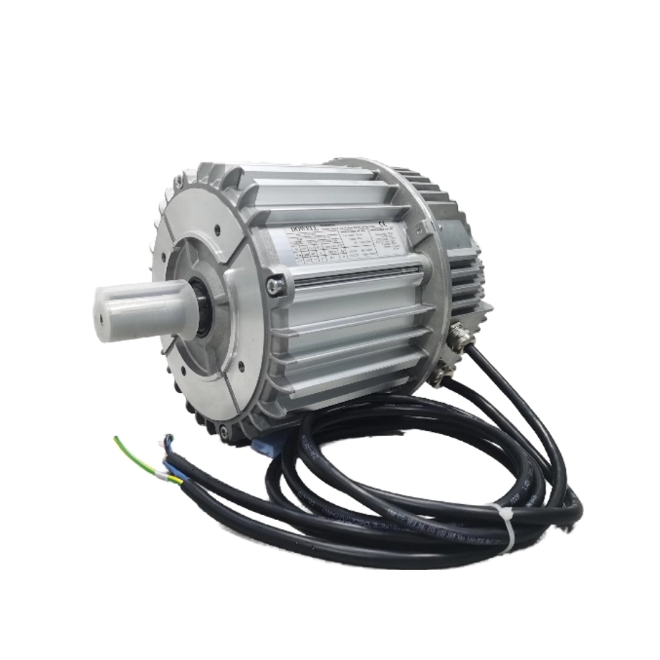
EC motors, or Electronically Commutated motors, are advanced types of motors that combine the benefits of both DC motors and integrated electronics. Unlike traditional AC motors, which rely on mechanical components to control speed, EC motors feature built-in electronics that adjust speed based on demand, offering more precise and energy-efficient performance.
Feature | EC Motor | Traditional AC Motor |
Speed Control | Built-in electronic speed control | External device (VFD) required |
Energy Efficiency | High – adapts to load conditions | Lower – operates at a constant speed |
Maintenance | Low – fewer moving parts | High – requires regular maintenance |
● How EC motors work: EC motors use brushless DC motor technology, integrated with an electronic commutation system. This system controls the motor speed, eliminating the need for external controllers like variable frequency drives (VFDs). The result is smoother, more reliable performance with less wear and tear.
● Key benefits: These motors offer high energy efficiency, reduced maintenance costs, and extended service life due to fewer moving parts.
● Energy efficiency: EC motors automatically adjust speed to match the load demand. This dynamic adjustment ensures that the motor is never running at full capacity when it's not necessary, reducing overall energy consumption.
● Reduced mechanical wear: Traditional motors rely on brushes and other moving parts that wear down over time. EC motors, being brushless, experience significantly less mechanical wear, leading to a longer lifespan and fewer maintenance needs.
Tip: EC motors are an excellent choice when energy savings and reduced maintenance are a priority for your system.
EC motors offer impressive energy savings, especially in applications that require variable speed. By adjusting the motor speed to meet demand, EC motors consume significantly less energy compared to traditional motors running at full capacity all the time.
● How EC motors reduce energy consumption: By varying the motor speed based on the load, EC motors avoid the energy waste associated with fixed-speed motors. This adjustment makes them ideal for applications where the motor speed needs to be dynamic, such as in HVAC systems or industrial machines with varying workloads.
Benefit | EC Motors | Traditional Motors |
Energy Efficiency | Adjusts speed based on demand | Operates at constant speed |
Energy Consumption | Low – adapts to load | High – full speed all the time |
Operational Cost | Low long-term costs | High long-term costs |
● Cost savings: The energy savings from using EC motors result in long-term cost reductions. Over time, the reduced energy consumption adds up, making EC motors a cost-effective investment for businesses.
One of the key advantages of EC motors is their low maintenance requirements. Traditional AC motors often require regular maintenance, including brush replacement, bearing checks, and more. EC motors, on the other hand, have fewer moving parts, which leads to reduced wear and a longer motor lifespan.
● Lower maintenance costs: EC motors don’t require regular maintenance like AC motors because they have fewer mechanical parts, reducing the need for frequent part replacements and repairs.
Maintenance Requirement | EC Motors | Traditional Motors |
Mechanical Components | Fewer moving parts | More parts, including brushes and bearings |
Maintenance Frequency | Low – long lifespan | High – frequent maintenance required |
● Extended motor lifespan: With fewer moving parts and less friction, EC motors last much longer than traditional motors, reducing the need for frequent replacements.
EC motors are known for their quiet operation, which is one of the reasons they are commonly used in environments where noise reduction is important.
● Noise reduction: The brushless design of EC motors eliminates the noise typically produced by friction in traditional motors. This makes them ideal for applications like HVAC systems in office buildings, hospitals, and residential spaces.
● Smooth performance: EC motors provide smooth acceleration and deceleration, offering more consistent operation and reducing vibration, which enhances overall system comfort.
Tip: If noise reduction and smooth performance are important in your application, EC motors are the perfect solution.
By using less energy, EC motors play a key role in reducing the overall environmental impact of operations. Their energy efficiency directly translates into lower electricity demand, which in turn reduces carbon emissions from power generation.
● Lower energy consumption: EC motors help businesses reduce their energy consumption, which is essential in today’s environmentally-conscious world.
● Compliance with energy standards: EC motors meet various global energy efficiency standards, making them an eco-friendly option for businesses committed to sustainability.
Environmental Impact | EC Motors | Traditional Motors |
Energy Use | Low – optimized speed adjustments | High – no energy optimization |
Carbon Footprint | Lower – reduced power usage | Higher – high energy consumption |
By consuming less power and running more efficiently, EC motors help businesses lower their carbon footprints. This makes them an important part of energy-saving initiatives aimed at reducing environmental impact.
● Reduction in operational costs: By lowering energy use, EC motors contribute to long-term cost savings and reduce the environmental impact of your operations.
Notes: EC motors are a sustainable choice for businesses looking to meet energy efficiency standards and reduce their environmental footprint.
EC motors are versatile and widely used in many applications, especially where energy efficiency and variable-speed control are crucial.
Application | EC Motors Benefits |
HVAC systems | Energy-efficient, variable-speed control |
Industrial equipment | Reduced maintenance, longer motor lifespan |
● HVAC systems: EC motors are perfect for HVAC systems because they adjust speed based on the load, ensuring that energy is used only when necessary.
● Industrial and commercial settings: EC motors are also commonly used in ventilation systems, refrigeration units, and air handling units, where they provide efficient operation and reliable performance.
EC motors play a key role in modern automated systems, offering precise speed control and the ability to integrate seamlessly with IoT-enabled devices.
● Automation and smart control: EC motors are integrated into smart building systems for optimized energy use and climate control.
System Type | EC Motors Benefits |
Automation | Precise speed control, energy efficiency |
Smart Systems | Integration with IoT for optimized performance |
● Examples of automation: In modern smart buildings, EC motors are used to control fans, pumps, and HVAC systems for maximum efficiency and comfort.
While EC motors typically have a higher upfront cost than traditional motors, their long-term energy savings, low maintenance, and increased efficiency make them a valuable investment.
● Initial investment: The initial cost of EC motors may be higher, but the return on investment (ROI) is significant due to energy savings and longer lifespan.
● Long-term ROI: Over time, the savings in energy and maintenance costs can offset the initial investment, making EC motors a cost-effective solution.
Before choosing an EC motor, it's important to evaluate your system’s specific needs, including compatibility with existing infrastructure and performance requirements.
● System compatibility: Ensure that the EC motor fits your system’s configuration, as not all systems are compatible with EC motors.
● Performance requirements: Consider whether an EC motor meets the demands of your specific application, such as the need for variable speed and energy efficiency.
Tip: Conduct a thorough evaluation of your system's requirements to ensure an EC motor is the right fit for your business.
EC motors provide numerous advantages, including significant energy savings, reduced maintenance, quiet operation, and environmental benefits. They are a cost-effective solution for businesses looking to improve system performance, reduce operational costs, and contribute to sustainability. EC motors are an excellent choice for energy-conscious businesses. They offer long-term savings, lower maintenance costs, and enhanced performance across various applications. Consider your system needs and make an informed decision to maximize efficiency and reduce costs. For expert guidance and customized solutions, trust Dowell to help you optimize your systems with EC motors.
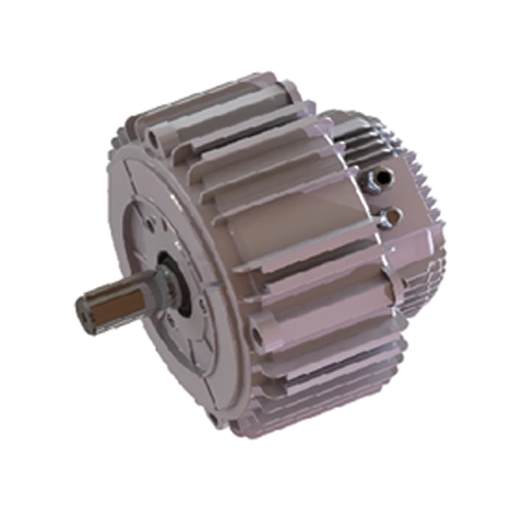
A: EC motors, or Electronically Commutated motors, are energy-efficient motors that use integrated electronics to control speed, reduce energy consumption, and improve performance.
A: EC motors offer significant energy savings, reduced maintenance, longer lifespan, and quieter operation compared to traditional motors, making them ideal for energy-efficient systems.
A: EC motors adjust their speed based on demand, ensuring they use only the necessary amount of energy, unlike traditional motors that run at full capacity all the time.
A: EC motors have a higher initial cost, but their long-term energy savings, lower maintenance, and extended lifespan make them a cost-effective choice in the long run.


