


An EC motor, or electronically commutated motor, is a highly efficient brushless motor that utilizes integrated electronic controls to optimize performance. Unlike traditional motors, which rely on mechanical brushes and fixed speeds, EC motors employ a permanent magnet rotor and advanced electronic commutation. This design not only enhances energy efficiency but also allows for precise speed and torque control, making EC motors ideal for various applications, from HVAC systems to smart appliances. Their ability to dynamically adjust power consumption based on load demands results in significant energy savings and reduced maintenance needs, positioning EC motors as a key technology in today's push for sustainable and efficient solutions.
EC motors reach high efficiency mainly because they use a permanent magnet rotor, which requires electricity only for the stator's magnetic field. This contrasts with traditional motors that need electricity for both rotor and stator fields. By reducing electrical consumption in the rotor, EC motors save energy.
Another efficiency booster is the integrated electronic control. This control continuously monitors the motor load and adjusts the energy used accordingly. For example, when the motor runs under partial load, it reduces power consumption without sacrificing performance. This dynamic adjustment is something traditional induction motors cannot do without extra equipment.
Traditional motors, like induction motors, often operate at fixed speeds and consume more energy, especially during partial loads. They also rely on mechanical brushes or external variable frequency drives (VFDs) to control speed, which can cause energy loss and require more maintenance.
In contrast, EC motors are brushless and have built-in electronic commutation, eliminating mechanical wear and improving reliability. Their integrated control means no need for external VFDs, simplifying system design and reducing energy waste.
Typical efficiency rates for EC motors range from 85% to 95%, while traditional AC motors usually achieve 60% to 75%. This difference means EC motors can significantly lower energy bills and reduce carbon footprints.
Because EC motors use energy more efficiently, they help reduce overall power consumption in HVAC systems, industrial machines, and appliances. This leads to lower greenhouse gas emissions and supports global sustainability efforts.
For example, an EC motor in an HVAC fan can cut operating costs by 30% to 50% compared to a traditional motor. These savings accumulate over time, making EC motors cost-effective despite sometimes higher upfront prices.
Additionally, EC motors run cooler and quieter, reducing noise pollution and improving workplace comfort. Their longer lifespan and lower maintenance needs also mean fewer replacements and less waste.
Choosing an EC motor with integrated controls can maximize energy savings and simplify your system’s design, reducing long-term operational costs.
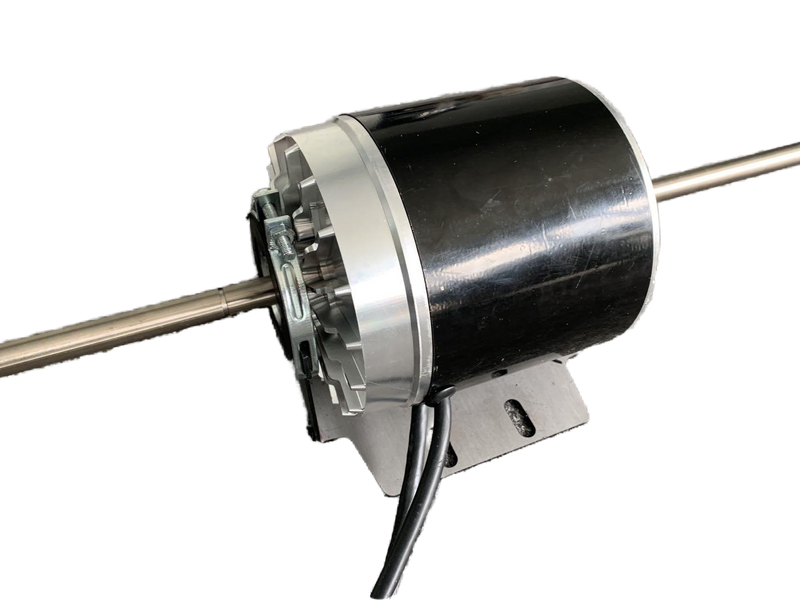
One of the most important features of EC motors is their brushless design. Unlike traditional brushed motors, EC motors use electronic commutation instead of mechanical brushes to switch current in the motor windings. This eliminates brush wear and tear, reducing maintenance needs and extending motor life. The absence of brushes also means less electrical noise and sparks, making EC motors safer and more reliable in sensitive environments.
The brushless design allows for smoother operation and better control of speed and torque. It also helps the motor run cooler because there is less friction and electrical loss. This design contributes significantly to the motor’s high efficiency and quiet performance, making it ideal for applications where noise and heat are concerns.
EC motors come with built-in electronic controllers that manage the motor’s operation in real time. These controllers detect the rotor’s position using sensors, like Hall-effect sensors, and adjust the current flow to the stator coils accordingly. This precise control ensures the motor runs efficiently at varying speeds and loads.
Because the control electronics are integrated, EC motors don’t need external variable frequency drives (VFDs) or other speed control devices. This integration simplifies system design, reduces installation costs, and improves reliability by minimizing components that can fail.
The controller also allows for intelligent features such as soft start, speed regulation, and communication interfaces like PWM, Modbus, or 0–10V inputs. These features enable EC motors to be part of smart systems and building automation, providing flexibility and energy savings.
EC motors operate with minimal noise and vibration compared to traditional motors. The brushless design removes mechanical contacts that cause noise, while the electronic commutation ensures smooth torque delivery, reducing vibrations.
Lower noise levels make EC motors well-suited for noise-sensitive environments such as hospitals, laboratories, and office buildings. Reduced vibration also means less wear on connected equipment, contributing to longer system life and fewer maintenance interruptions.
Additionally, EC motors run cooler, which further reduces noise caused by thermal expansion and mechanical stress. This quiet operation enhances user comfort and supports compliance with noise regulations in commercial and residential settings.
When selecting an EC motor, prioritize models with fully integrated electronic controls and brushless design to maximize efficiency, reduce maintenance, and enable seamless integration into smart systems.
EC motors have become the preferred choice in HVAC systems due to their high efficiency and precise control. They power fans, blowers, and pumps in air handling units, ventilation systems, and variable air volume (VAV) boxes. Their ability to adjust speed dynamically helps maintain optimal airflow while reducing energy consumption. For example, an EC motor in a ventilation fan can lower electricity use by 30% to 50% compared to traditional motors.
Because EC motors run quietly and produce less vibration, they improve indoor comfort in offices, hospitals, and residential buildings. Their integrated electronic controls allow seamless integration into building automation systems, enabling smart scheduling and remote monitoring. This capability supports energy-saving strategies and regulatory compliance.
In industrial settings, EC motors are used in pumps, conveyors, compressors, and robotic systems. Their brushless design means less maintenance downtime, which is crucial for continuous operations. The motors’ high power density and efficient speed regulation help optimize processes, reduce wear on mechanical parts, and lower operating costs.
Commercial applications include refrigeration systems, commercial kitchen equipment, and elevators. EC motors contribute to quieter operation and enhanced reliability, especially in environments demanding consistent performance. Their compatibility with various control interfaces, such as Modbus or PWM, allows easy integration with industrial control systems for better process management.
Smart appliances increasingly incorporate EC motors to improve energy efficiency and user experience. Refrigerators, air purifiers, washing machines, and range hoods benefit from EC motors' quiet operation and precise speed control. These motors adjust performance based on sensor inputs, optimizing energy use and extending appliance lifespan.
Connected appliances use EC motors to communicate with home automation systems, enabling features like remote control, predictive maintenance, and energy consumption tracking. This integration aligns with growing consumer demand for smart, eco-friendly products.
When designing HVAC or industrial systems, choose EC motors with integrated controls and communication capabilities to enhance energy management and enable smart system integration.
EC motors last longer than traditional motors mainly because they have no brushes to wear out. The brushless design means fewer moving parts that can fail, reducing the risk of breakdowns. Since brushes don’t create friction or sparks, the motor runs cooler and cleaner, which extends its life. This durability makes EC motors ideal for continuous or demanding applications like HVAC systems or industrial machinery.
Lower maintenance is another big plus. Without brushes to replace or clean, servicing costs drop significantly. Also, the integrated electronic control protects the motor from overloads and overheating by adjusting power as needed. This smart protection reduces stress on components, preventing premature failures and downtime.
While EC motors might cost more upfront than traditional motors, they save money over their lifespan. Their high efficiency means they use less electricity, which lowers energy bills—sometimes by 30% to 50% depending on use. This energy saving quickly offsets the initial investment.
Fewer repairs and replacements also contribute to cost savings. Maintenance teams spend less time fixing motors or changing parts, which reduces labor costs and operational interruptions. Plus, EC motors often come with built-in controls, eliminating the need for extra devices like external variable frequency drives (VFDs), which adds to overall savings.
One of the standout benefits of EC motors is their built-in electronic control. This control continuously monitors motor performance, adjusting speed and torque to match load demands. This dynamic regulation optimizes energy use and enhances system responsiveness.
Many EC motors support communication protocols such as PWM, Modbus, or 0–10V inputs. This connectivity allows them to integrate seamlessly into smart building systems or industrial automation networks. Operators can remotely monitor motor status, adjust settings, or schedule maintenance based on real-time data. This intelligence improves operational efficiency and supports predictive maintenance, reducing unexpected failures.
When investing in EC motors, prioritize models with advanced electronic controls and communication interfaces to maximize energy savings, reduce maintenance, and enable smart system integration.
Selecting the right EC motor starts by matching voltage, power, and speed requirements to your application. EC motors come in a range of voltages, typically from low voltage DC systems to standard AC mains voltages. Choose a voltage rating compatible with your power supply to avoid damage or inefficiency.
Power rating depends on the load your motor must drive. For light-duty tasks, small motors with fractional horsepower suffice. Heavy-duty industrial uses need higher horsepower motors. Always consider a motor’s continuous power rating rather than peak power to ensure reliable operation.
Speed range is crucial too. EC motors offer excellent speed control, but you must pick a model that covers your needed RPM range. Some applications require precise low-speed control; others need high-speed operation. Confirm the motor’s speed-torque curve matches your system’s demands.
EC motors typically integrate electronic controls that accept various input signals to regulate speed and torque. Common interfaces include:
● 0–10 V Analog Input: Simple, widely used for proportional speed control.
● PWM (Pulse Width Modulation): Offers precise speed adjustment through duty cycle changes.
● Modbus or Other Digital Protocols: Enables advanced communication for smart systems, allowing remote monitoring and diagnostics.
Choosing the right control interface depends on your system architecture. For basic applications, analog or PWM inputs suffice. For complex automation or building management, digital protocols provide better flexibility and data exchange.
Also, check if the motor supports external control devices or has built-in controllers. Integrated controls simplify wiring and reduce components, but external control may be preferred for custom setups.
The operating environment affects motor selection. Consider factors such as temperature range, humidity, dust, and exposure to chemicals or water. Motors with appropriate ingress protection (IP) ratings ensure durability in harsh conditions.
Certifications matter, especially for commercial or industrial use. Look for compliance with standards such as CE, UL, RoHS, or energy efficiency certifications like IE3 or IE4. These confirm safety, quality, and energy performance.
Additionally, noise limits may apply in certain environments. Choose motors designed for low noise and vibration if operating in offices, hospitals, or residential areas.
When choosing an EC motor, prioritize models that match your voltage, power, and speed needs, support compatible control interfaces, and meet environmental and certification requirements to ensure optimal performance and compliance.
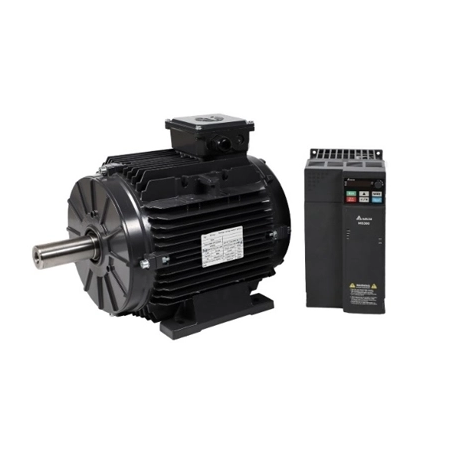
EC motors continue evolving to deliver even higher energy efficiency. Engineers focus on improving permanent magnet materials and optimizing electronic control algorithms. These improvements reduce power losses and allow motors to maintain peak efficiency across wider speed and load ranges.
New semiconductor technologies, like silicon carbide (SiC) and gallium nitride (GaN) transistors, enable faster switching and lower heat generation in motor controllers. This leads to less energy wasted as heat and more precise control of the motor’s torque and speed.
Additionally, manufacturers are developing EC motors with advanced cooling systems and better thermal management. This allows motors to operate at higher power densities without overheating, extending their lifespan and reducing maintenance needs.
The future of EC motors lies in smart connectivity and automation. Modern EC motors increasingly feature built-in communication protocols such as Modbus, BACnet, or wireless IoT interfaces. These allow real-time data exchange between motors and building management or industrial control systems.
By integrating with smart systems, EC motors can optimize performance based on environmental conditions and user needs. For example, an EC motor in an HVAC system can adjust fan speed dynamically depending on room occupancy or outdoor temperature, maximizing energy savings.
Predictive maintenance is another key benefit. Smart EC motors monitor their own health, detecting signs of wear or imbalance early. This data can trigger maintenance alerts before failures occur, reducing downtime and repair costs.
Artificial intelligence and machine learning algorithms are also being applied. They analyze motor performance data to identify patterns and optimize operation continuously, further enhancing energy efficiency and reliability.
EC motors contribute significantly to global sustainability efforts. Their superior energy efficiency helps reduce greenhouse gas emissions, supporting climate action goals. By lowering electricity consumption in buildings and industry, they decrease reliance on fossil fuels.
Their long lifespan and low maintenance reduce waste and resource use, aligning with responsible consumption and production targets. Additionally, quieter operation improves quality of life in urban environments, addressing health and well-being goals.
As governments and organizations push for greener technologies, EC motors are becoming essential in meeting stringent energy codes and certifications worldwide. Their role will grow in renewable energy systems, electric vehicles, and smart infrastructure, driving progress toward a sustainable future.
Invest in EC motors with advanced communication features and AI-enabled controls to future-proof your systems and maximize energy savings while supporting sustainability goals.
EC motors offer high efficiency, lower energy consumption, and reduced maintenance needs. They are increasingly vital across industries like HVAC and smart appliances. Adopting EC motors supports sustainability goals and cost savings. Leading EC Fan & centrifugal fan Manufacturer - Dowell provides advanced EC motors that enhance system performance and reliability, delivering significant value to users. Their products' unique features, such as integrated electronic controls and brushless design, ensure optimal efficiency and seamless integration into smart systems.
A: An EC motor, or electronically commutated motor, is a brushless motor with integrated electronic controls, offering high efficiency and precise speed control.
A: EC motors work by using a permanent magnet rotor and electronic commutation, which adjusts power use based on load, enhancing efficiency.
A: EC motors offer higher efficiency, lower maintenance, quieter operation, and better control compared to traditional motors.
A: Benefits include energy savings, reduced maintenance, longer lifespan, and integration into smart systems for enhanced control.
A: EC motors may have a higher upfront cost, but they offer long-term savings through reduced energy consumption and maintenance.


