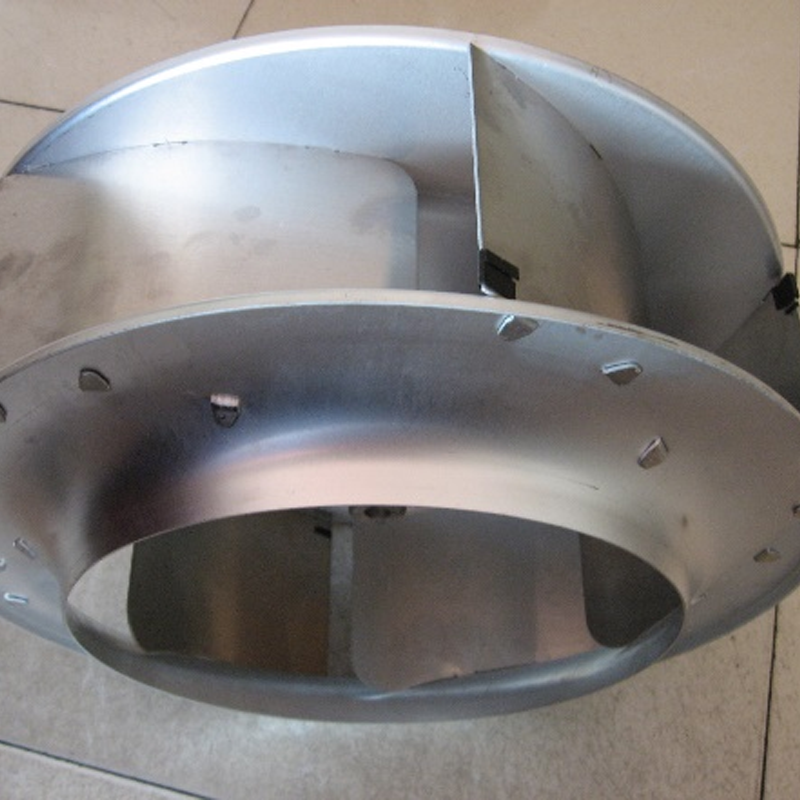
Maximize industrial cooling efficiency. Learn how a specialized EC fan manufacturer delivers custom integration, peak performance, and high ROI.
Learn how to audit EC fan manufacturers: IQC, dynamic balancing, and burn-in tests to prevent costly cooling downtime.
Off-the-shelf fans failing? Learn how to evaluate an EC fan manufacturer for custom thermal solutions, from aerodynamics to mass production.
Discover how to audit EC fan manufacturers for vertical integration, component redundancy, and buffer stock to prevent production line halts.
Stop buying off-the-shelf EC fans. Partner with a professional manufacturer for custom engineering, supply stability, and lower lifecycle costs.
Discover a proven framework to vet EC fan manufacturers for compliance, scalability, and reliability to avoid industrial ventilation downtime.
HVAC fans rarely operate under one fixed condition all day. Airflow demand changes as temperature, occupancy, and resistance change. An EC Centrifugal Fan responds efficiently to these changing needs. In this article, you will learn why this technology suits modern HVAC and air handling units.
Choosing a centrifugal fan is not only about airflow. Motor technology can change energy use, control, noise, and cost. An ec centrifugal fan offers a different approach from a traditional AC fan. In this article, you will learn their key differences and when each option makes sense.
Ventilation systems often waste energy by moving more air than needed. They can also create excess noise and operating costs. An EC Centrifugal Fan addresses these issues through efficient motor control and adjustable airflow. In this article, you will learn its main advantages, practical applicatio
Choosing a fan is not only about moving more air. The airflow must also overcome real system resistance. An ec centrifugal fan can meet these changing demands efficiently. In this article, you will learn where it works best. You will also learn how to select the right configuration.