


Views: 0 Author: Site Editor Publish Time: 2026-01-05 Origin: Site


Fans play a key role in various environments, from homes to industries. But what sets an EC fan apart from a normal fan? This article will explore the critical differences between EC fansand traditional fans. We’ll discuss their energy efficiency, performance, and maintenance needs. By the end, you’ll understand why choosing the right fan is essential for cost-saving and optimal performance.
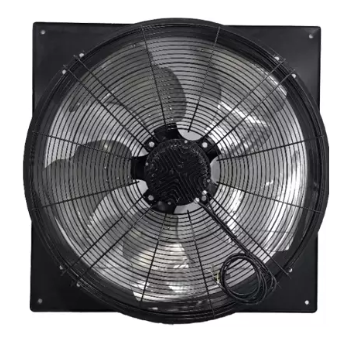
EC fans use Electronically Commutated motors, which are designed to combine the advantages of both AC (Alternating Current) and DC (Direct Current) motors. The EC technology ensures high efficiency, with precise speed control and minimal power loss. Unlike traditional fans that rely on a basic AC motor, EC fans are integrated with an inverter that converts AC to DC, making them more energy-efficient.
An EC fan operates by using a brushless DC motor that offers greater control and energy efficiency. These fans feature built-in electronics that regulate the motor’s speed, ensuring optimal performance based on demand. The inverter-controlled system allows the fan to adjust its speed without using additional energy, which is a significant advantage over traditional fans.
The key benefits of EC fans include:
● Energy Efficiency: The inverter-driven motors consume less power compared to conventional fans.
● Precise Speed Control: EC fans offer variable speed control, adjusting the fan speed according to the load or requirement, making them ideal for dynamic environments.
● Reduced Maintenance: With fewer moving parts and better durability, EC fans require less maintenance compared to traditional fans.
A normal fan, also known as a traditional or standard fan, typically uses an AC motor to power its blades. These fans are designed to run at a single, constant speed, which may not be ideal for variable workloads or specific cooling requirements. Normal fans are simpler in design and are commonly found in homes or basic industrial settings where performance doesn’t need to be optimized for energy efficiency.
The essential components of a traditional fan include:
● AC Motor: Provides continuous power to the fan blades.
● Blades: Rotate to move air.
● Speed Control: Basic settings that allow users to adjust the fan's operation. Normal fans operate on fixed-speed motors, meaning they can't adjust their output unless the power supply or switch is manually changed.
While conventional fans are cost-effective, they come with several limitations:
● Fixed Speed: Unlike EC fans, they cannot adjust speed efficiently based on requirements.
● Higher Energy Consumption: They use more electricity since they cannot adapt to varying conditions.
● More Maintenance: The AC motor is more prone to wear and tear due to its simple design, requiring more frequent repairs.
The most significant difference between an EC fan and a normal fan lies in their motor types. EC fans use a brushless DC motor paired with an electronic controller, while normal fans use standard AC motors. Brushless DC motors in EC fans reduce friction, leading to lower energy usage and a longer lifespan.
Feature | EC Fan | Normal Fan |
Motor Type | Brushless DC Motor | AC Motor |
Efficiency | High Efficiency | Lower Efficiency |
Energy Consumption | Reduced, Variable Speed | Fixed Speed, Higher Energy Usage |
Maintenance | Low Maintenance | High Maintenance |
Key difference:
● EC Fans: Brushless DC motor (more efficient, less wear)
● Normal Fans: AC motor (simple, more power consumption)
EC fans are designed to save energy, providing a significant advantage in terms of energy consumption. With variable speed control, EC fans can adjust to the precise airflow required, avoiding wasted energy. In contrast, normal fans run at a constant speed regardless of demand, leading to higher electricity bills.
Energy savings comparison:
Fan Type | Energy Consumption | Efficiency Level | Power Control |
EC Fan | Low | High Efficiency | Variable Speed |
Normal Fan | High | Standard Efficiency | Fixed Speed |
Energy savings comparison:
● EC Fans: Adjust speed based on demand, reduce energy usage
● Normal Fans: Run at full power continuously, consume more energy
One of the standout features of EC fans is their variable speed control, which allows them to change their operating speed depending on the system's needs. This makes EC fans ideal for environments that require fluctuating airflow, such as HVAC systems and industrial cooling units. Normal fans, however, offer fixed-speed control, meaning they operate at a single speed, which may lead to inefficiencies in some settings.
Key difference:
● EC Fans: Variable speed control, adjustable to load
● Normal Fans: Fixed speed control
Due to their advanced motor technology, EC fans typically require less maintenance than traditional fans. The absence of brushes in EC motors means there’s less wear and tear, resulting in a longer lifespan. In contrast, normal fans, with their simpler AC motors, often require more frequent repairs due to mechanical failure or inefficient power use.
Feature | EC Fan | Normal Fan |
Motor Type | Brushless DC | AC Motor |
Maintenance Frequency | Low | High |
Lifespan | Longer | Shorter |
EC fans are designed to use less electricity because their variable speed motors operate at optimal efficiency. When the demand for airflow is low, the fan adjusts its speed accordingly, avoiding unnecessary energy consumption. Additionally, the brushless DC motor in EC fans generates less heat and requires less power to operate compared to traditional AC motors.
While the initial investment for EC fans may be higher, the long-term cost savings can be substantial. With lower energy consumption and reduced maintenance, businesses can see a return on investment within a few years. EC fans are particularly beneficial in commercial and industrial applications where long-running hours and variable airflow are common.
Potential cost savings:
● Energy savings: Reduced power consumption.
● Maintenance savings: Fewer repairs over time.
Example: In a commercial HVAC system, an EC fan could save up to 50% in energy costs compared to a normal fan, due to its efficient operation and variable speed.
EC fans excel in applications where energy efficiency and precise control are needed. Ideal use cases include:
● Commercial HVAC systems: Variable airflow can optimize heating/cooling needs.
● Data centers: Precise cooling to ensure optimal equipment performance.
● Industrial settings: Where fans run continuously and efficiency is key.
While EC fans may have a higher upfront cost, they are often worth the investment. Their energy savings, low maintenance needs, and long lifespan can provide a strong ROI, particularly in environments with high energy consumption.
For smaller, less demanding applications, such as in homes or small businesses, normal fans may be more than sufficient. These fans are cost-effective for situations where precise control and energy efficiency are not as critical.
Installing an EC fan typically involves ensuring compatibility with existing systems and making necessary adjustments to accommodate its advanced controls. Professional installation may be required for larger systems like HVAC to ensure optimal performance.
Tip: Work with a qualified technician to install EC fans to ensure they are set up for energy efficiency and long-term performance.
To maximize the benefits of your EC fan, consider the following:
● Adjust speed settings based on actual needs to minimize energy consumption.
● Schedule regular maintenance checks to keep the fan running smoothly.
● Monitor performance to ensure the system is operating at peak efficiency.
Choosing between an EC fan and a normal fan depends on your specific needs. For environments where energy efficiency, precise control, and low maintenance are paramount, EC fans from Dowell offer clear advantages. However, normal fans remain a practical choice for smaller or less complex applications. In the long run, investing in Dowell's EC fans can lead to significant savings in energy and maintenance costs, making them a smart option for businesses and industries focused on sustainability and efficiency.
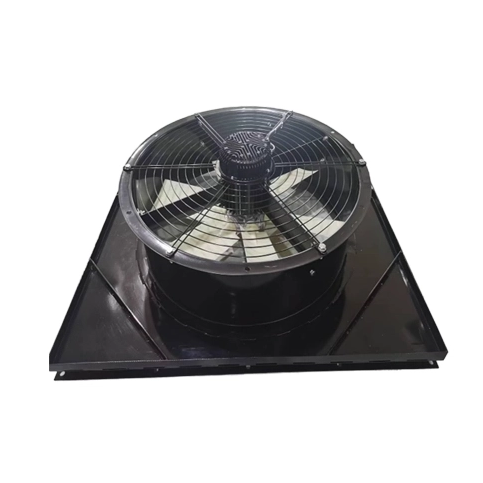
A: An EC fan, or Electronically Commutated fan, uses a brushless DC motor combined with electronic controls to offer energy efficiency, precise speed control, and reduced maintenance compared to normal fans.
A: EC fans operate using a brushless DC motor and an inverter for speed control, making them more energy-efficient and adjustable. Normal fans typically use fixed-speed AC motors, consuming more energy and requiring more maintenance.
A: EC fans are ideal for applications that need energy efficiency, precise airflow control, and reduced maintenance. They are especially useful in HVAC systems and industrial settings.
A: Yes, EC fans generally have a higher initial cost due to their advanced technology, but they offer long-term savings in energy bills and maintenance costs.


