


Views: 286 Author: Site Editor Publish Time: 2026-03-05 Origin: Site


In modern ventilation systems, efficiency and performance are paramount. That's where EC fans come into play. Electronically Commutated (EC) fans have revolutionized how we think about air movement by integrating powerful motor technology and onboard electronics. At Suzhou Dowell Ventilation Technology Co., Ltd., we specialize in creating cutting-edge EC axial fans and EC centrifugal fans, designed to optimize airflow while saving energy and reducing noise. In this article, we'll break down what an EC fan is, its unique components, and how it compares to traditional fan technologies, helping you make an informed decision for your next system.
The term EC stands for Electronically Commutated. Unlike traditional AC (Alternating Current) motors that rely on external controllers for speed regulation, an EC fan combines both a brushless DC motor and integrated electronics. This allows for precise control over the fan's operation, reducing energy consumption while increasing performance. The integration of electronics directly within the fan enables it to operate efficiently by adjusting its speed to match the actual demand for airflow, ensuring that only the necessary energy is used. This is especially beneficial in environments where fluctuating air requirements are common, such as HVAC systems, industrial processes, or even clean rooms.
The EC fan's advanced motor technology sets it apart from conventional fans, offering higher efficiency, reduced power consumption, and longer operational life. As the global demand for energy-efficient products grows, EC fans are becoming a go-to solution for industries that require reliable and adaptable air circulation.
The EC fan operates by taking AC power and converting it into DC (Direct Current) power within the motor. This process takes advantage of the high efficiency of DC motors while still using the power supply typically available in most buildings. This setup eliminates the need for external speed controllers and reduces the amount of mechanical components, such as belts or pulleys, making the system simpler and more reliable. This conversion leads to increased energy savings and operational longevity.
EC motors are designed to work efficiently across a broad range of speeds, making them adaptable to different airflow needs. This means that whether the fan is running at full capacity or just a fraction of that, the energy consumed will always be optimized, which results in a significant reduction in electricity consumption.
One of the most notable differences between EC fans and traditional AC fans is the presence of an integrated controller in EC fans. While AC fans require external controllers to adjust speed, EC fans come with built-in electronics that allow for variable speed operation. This feature not only makes them more adaptable to varying airflow demands but also improves their energy efficiency by ensuring they only operate at the necessary speed. This integration of the controller simplifies installation and maintenance, providing a cost-effective solution in the long run.
The built-in control systems in EC fans also allow for better precision and responsiveness, meaning that the fan adjusts to environmental conditions in real time. For instance, in an HVAC system, the fan can automatically adjust its speed based on changes in room temperature or airflow requirements, ensuring that energy is used only when needed.
The efficiency of EC fans is superior to that of AC fans, primarily due to their ability to operate with variable speed control. Traditional AC fans are designed to operate at a fixed speed, which can result in energy waste when the full power of the fan is not needed. In contrast, EC fans adjust their speed based on the load, ensuring that no extra energy is used. This energy-efficient design makes EC fans ideal for industries and environments that need to balance both performance and cost-effectiveness, such as manufacturing, commercial air conditioning, and refrigeration.
By optimizing the fan speed to meet the precise demand for airflow, EC fans use less energy compared to traditional systems, which helps reduce the operational costs of HVAC systems and other ventilation units. The energy savings are significant, particularly in applications that require continuous fan operation or in systems that need to adapt to varying conditions over time.
At the heart of the EC fan is the brushless DC motor. This motor uses permanent magnets and does not require brushes for commutation, unlike traditional motors. As a result, brushless DC motors are more reliable, require less maintenance, and generate less heat compared to their brushed counterparts. This increases the longevity of the EC fan and ensures that it can perform efficiently over time.
Brushless DC motors also have a more compact design, allowing the EC fan to be smaller and more lightweight than traditional fans, making them easier to integrate into space-constrained environments. The reduction in motor size also contributes to the overall energy efficiency of the system, as smaller motors require less power to operate.
The integration of electronics within the fan motor is another key component of EC fan technology. These onboard electronics allow the fan to adjust its speed in real-time, ensuring that it operates at the most energy-efficient setting. This advanced technology not only saves energy but also enhances the precision of the fan's performance, ensuring that it meets the specific demands of its environment.
The onboard electronics can be customized to allow for precise control of airflow, including the ability to set specific speed curves and operating modes. This means that EC fans can be tailored to meet the unique needs of different applications, from general ventilation to high-pressure systems in industrial processes.
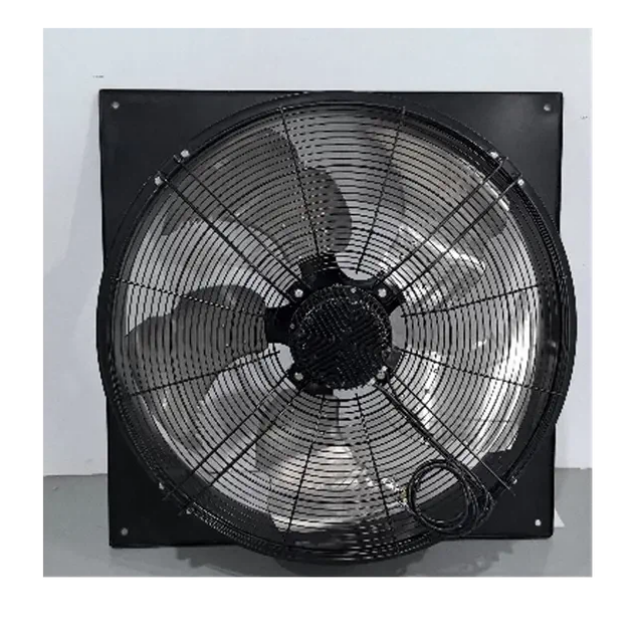
EC Axial Fans are designed to move air along the axis of the fan. These fans are ideal for applications where high airflow is required, such as in large-scale ventilation systems, cooling units, and heat exchangers. The EC Axial Fan is known for its efficiency and ability to operate at various speeds without sacrificing performance. With Suzhou Dowell's EC Axial Fans, you get a highly efficient solution for your ventilation needs, with reduced noise and lower energy consumption.
One of the primary advantages of EC Axial Fans is their ability to deliver high airflow volumes while maintaining low energy usage. Their aerodynamic blade design ensures optimal airflow efficiency, further enhancing the fan's overall performance.
On the other hand, EC Centrifugal Fans are designed to move air in a direction perpendicular to the fan's axis. These fans generate high pressure and are often used in ducted systems, where air needs to be forced through tight spaces. The EC Centrifugal Fan is perfect for applications like HVAC systems and industrial exhaust systems. Its ability to handle higher pressures and ducted airflow makes it an essential component in many modern ventilation systems.
The EC Centrifugal Fan is particularly beneficial in environments where high air pressure is required for airflow through long ducts or systems with high static resistance. This makes it ideal for industrial applications, including air filtration, fume extraction, and chemical ventilation.
As sustainability becomes more of a focus in both residential and commercial sectors, EC fans offer a perfect solution to meet energy codes and efficiency standards. Many building codes now require systems to use equipment that reduces overall energy consumption. With their ability to provide variable speed control, EC fans meet these standards and contribute to more sustainable practices by minimizing unnecessary energy use.
In addition to energy codes, EC fans help meet the growing demand for environmentally friendly products. By reducing energy consumption and lowering the carbon footprint of ventilation systems, EC fans play a key role in the transition towards more sustainable industrial practices.
Another reason EC fans are essential in modern systems is their compatibility with smart controls. Smart building systems increasingly rely on automated controls to adjust lighting, temperature, and ventilation based on real-time conditions. EC fans, with their integrated electronics, can easily connect to these systems, offering enhanced performance and seamless integration with other smart technologies.
The ability to integrate with smart building systems not only improves the fan's efficiency but also provides operational flexibility, allowing for remote monitoring and control. This makes EC fans an ideal solution for buildings that aim to optimize energy usage and create a smarter, more sustainable environment.
Feature | EC Fan | Traditional AC Fan |
Efficiency | High (~90%) | Moderate |
Speed Control | Built-in, variable | External controller needed |
Noise | Lower | Higher |
Maintenance | Lower | Higher |
In conclusion, EC fans represent a breakthrough in fan technology, offering superior energy efficiency, quieter operation, and reduced maintenance compared to traditional AC fans. By integrating advanced brushless DC motors and onboard electronics, EC fans provide a more sustainable and reliable solution for modern ventilation needs. Whether you're looking for high airflow in large open spaces with EC axial fans or requiring high-pressure capabilities with EC centrifugal fans, Suzhou Dowell Ventilation Technology Co., Ltd. provides the ideal solutions to meet your specific requirements.
If you want to explore more about our EC Axial Fans or EC Centrifugal Fans, feel free to contact us. Our team at Dowell Fans is ready to assist you in selecting the best fan for your needs.
An EC fan is a fan equipped with an electronically commutated motor, offering higher efficiency and energy savings compared to traditional AC fans.
An EC fan operates by converting AC power to DC power, allowing for precise speed control and better energy efficiency.
EC fans offer reduced maintenance, lower energy consumption, and quieter operation compared to traditional AC fans.
Yes, EC fans are ideal for HVAC systems due to their ability to adjust speed based on real-time airflow requirements, making them more efficient and reliable.


