


Views: 358 Author: Site Editor Publish Time: 2026-02-16 Origin: Site


In the world of ventilation systems, reducing noise while maintaining optimal airflow is crucial, especially in sensitive environments like offices, hospitals, and data centers. For many industries, the need for quiet operations has led to the increasing popularity of EC fans. These fans offer a unique advantage over traditional blower systems due to their advanced motor technology, precision control, and quieter design. At Suzhou Dowell Ventilation Technology Co., Ltd., we specialize in EC axial fans and EC centrifugal fans that incorporate the latest EC motor technology to provide high performance and low noise. In this article, we will explore why EC fans are quieter than traditional blowers and how their innovative design contributes to a more peaceful and efficient environment.
Before understanding why EC fans are quieter, it’s essential to identify the primary sources of noise in fan systems.
Motor noise is one of the biggest contributors to the overall sound level in traditional fan systems. In AC motors, the mechanical components such as brushes create friction and vibrations, which translate into noise during operation. Additionally, AC motors often generate more heat, requiring extra ventilation, which can further increase noise levels.
In contrast, EC fans are powered by brushless DC motors, which significantly reduce the friction and mechanical noise. Brushless motors eliminate the need for brushes that typically wear out and cause friction, making EC fans quieter and more efficient. This design directly contributes to the reduction in motor noise, ensuring quieter operation compared to traditional blowers.
Another significant source of noise in traditional blowers is aerodynamic noise generated by the fan blades as they move air. As the fan blades cut through the air, turbulence is created, which leads to the production of noise. The design and shape of the blades are essential in minimizing this noise, and traditionally, AC fans may not be optimized for quiet airflow.
EC fans, however, benefit from advanced blade design and optimized aerodynamics, resulting in smoother airflow and reduced turbulence. The improved efficiency of the EC fan blades, coupled with their variable speed control, allows them to operate quietly, even at higher speeds.
One of the primary reasons EC fans are quieter than traditional blowers is the use of brushless DC motors. These motors generate significantly less vibration compared to AC motors because there are no brushes causing friction. The brushless design ensures that the motor operates smoothly with minimal mechanical wear, leading to quieter and more reliable fan performance.
Additionally, the brushless motor design helps reduce vibration, which is a common source of noise in traditional systems. The smooth operation of the motor results in fewer vibrations transmitted to the fan housing, which means the entire system operates more quietly.
Another key feature contributing to the quiet operation of EC fans is their smooth speed control. Unlike AC fans, which typically run at a fixed speed, EC fans can adjust their speed based on the airflow requirements of the system. This variable speed control not only optimizes energy efficiency but also minimizes the noise generated during operation.
The smooth transition between speeds ensures that EC fans operate without the sudden changes in sound levels that can occur with fixed-speed fans. This is particularly beneficial in applications where a consistent and quiet environment is necessary, such as in offices, hospitals, and data centers.
One of the most significant differences between EC fans and traditional blowers is the absence of belts or pulleys in EC fans. In traditional blower systems, belts and pulleys are used to transfer power from the motor to the fan blades. However, these mechanical components can generate additional noise due to friction and wear over time.
EC fans, on the other hand, use a direct drive system, where the motor is directly connected to the fan blades. This eliminates the need for belts and pulleys, resulting in less mechanical noise and vibration. The direct drive system also improves the overall reliability and longevity of the fan, as there are fewer moving parts that can wear out.
In addition to the absence of belts and pulleys, the balanced structure of EC fans further contributes to their quiet operation. The direct drive system ensures that the fan blades are evenly powered and operate with minimal vibration. This balanced design minimizes mechanical noise and ensures that the fan operates smoothly, even at high speeds.
The EC fan’s balanced structure is crucial in applications where quiet performance is essential, such as in clean rooms, laboratories, and other noise-sensitive environments.
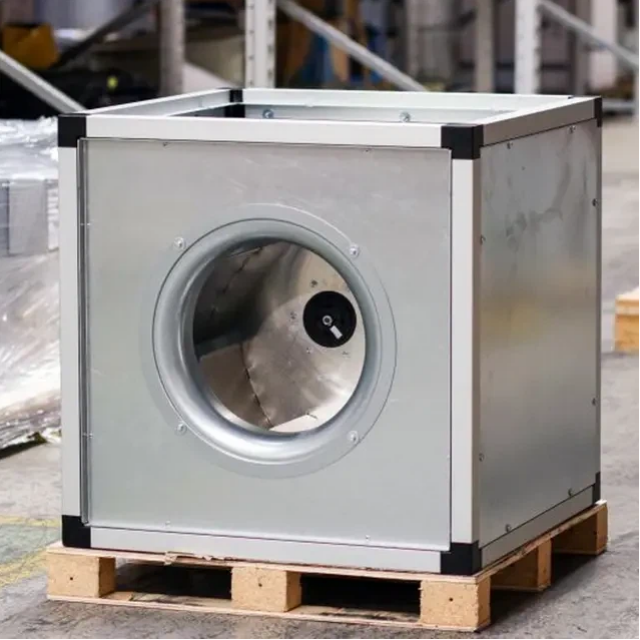
Traditional AC blowers generate more noise due to their mechanical components, including belts, pulleys, and brushes. These systems often rely on external speed controllers to adjust the fan's performance, which can lead to fluctuations in noise levels. AC blowers also tend to generate more vibration and friction, leading to higher noise output.
Additionally, AC blowers often require maintenance to keep the motor and belts in good working condition. As the system wears, noise levels can increase, which can be disruptive in environments that require a quiet atmosphere.
The difference in noise levels between EC fans and traditional blowers can be significant, particularly in applications that require quiet operation. EC fans are typically much quieter, with noise levels measured in decibels (dB) being lower than those produced by traditional AC blowers. This noise reduction is especially noticeable in commercial buildings, industrial systems, and residential HVAC systems.
For example, a typical AC blower might generate noise levels around 70-80 dB, while an EC fan can operate at around 50-60 dB, depending on the specific model and application.
In HVAC systems, EC fans offer a significant advantage in terms of noise reduction. These systems require consistent airflow to maintain a comfortable indoor environment. The quiet operation of EC fans ensures that HVAC systems can maintain airflow without disturbing building occupants with excessive noise.
The ability to adjust speed based on demand means that EC fans can operate quietly even during periods of low airflow, reducing the overall noise in the building. This is particularly beneficial in spaces like offices, conference rooms, and waiting areas, where maintaining a peaceful environment is important.
Another key application for EC fans is in the cooling of indoor electronics, such as servers, computers, and telecommunication equipment. These environments often require cooling systems that run continuously, but traditional blowers can generate disruptive noise. EC fans, with their low noise airflow, provide a solution that maintains the required cooling performance without adding unwanted noise to the environment.
EC fans are particularly useful in data centers and server rooms, where the constant hum of traditional blowers can interfere with workers or cause disruptions. The quiet operation of EC fans ensures that these critical systems remain cool while maintaining a quiet environment for employees.
Fan Type | Typical Noise (dBA) |
EC Fan | Lower |
Traditional Blower | Higher |
In conclusion, EC fan noise reduction technology offers a significant advantage over traditional blowers, making them the ideal choice for applications that require quiet, efficient operation. The brushless DC motor design, direct drive system, and variable speed control all contribute to the low noise airflow produced by EC fans. Whether you're looking to reduce noise in HVAC systems, data centers, or indoor electronics cooling, EC fans from Suzhou Dowell Ventilation Technology Co., Ltd. provide the quiet and efficient solution you need.
To learn more about our EC Axial Fans and EC Centrifugal Fans, or to find out how we can help you achieve quieter, more efficient operations, contact us today. Our team is ready to assist you in selecting the best EC fan for your needs.
EC fans use brushless DC motors, direct drive systems, and variable speed control, which reduce motor noise, vibration, and friction compared to traditional AC blowers.
The direct drive system eliminates the need for belts and pulleys, which are common sources of noise and vibration in traditional systems.
Yes, EC fans are ideal for HVAC systems, providing quiet operation and energy efficiency in environments like offices, conference rooms, and commercial buildings.
EC fans typically operate at 50-60 dB, while traditional blowers can generate noise levels between 70-80 dB, making EC fans a quieter alternative.


