


Views: 126 Author: Site Editor Publish Time: 2025-07-21 Origin: Site


In the modern industrial landscape, the demand for Energy-Efficient Axial Fan solutions has grown exponentially. Industries are continuously seeking ways to reduce energy consumption while maintaining optimal performance. Axial fans play a pivotal role in various applications, from HVAC systems to cooling towers and industrial ventilation. This guide delves into the critical aspects of selecting energy-efficient axial fans, providing insights into the latest technologies, selection criteria, and practical applications.
Axial fans are devices that induce airflow by moving air along the axis of the fan. They are widely used due to their ability to handle large volumes of air at low pressures, making them ideal for ventilation and cooling purposes. The efficiency of an axial fan is a crucial factor that impacts energy consumption and operational costs.
Axial fans operate on the principle of converting rotational motion into aerodynamic force. The blades of the fan are designed to create a difference in air pressure, propelling air forward. This mechanism is highly efficient for moving air over large spaces, which is essential in industrial settings.
Energy efficiency in axial fans is not just about reducing electricity bills; it also contributes to environmental sustainability by lowering carbon emissions. Energy-efficient axial fans use advanced technologies like Electronically Commutated (EC) motors, which offer superior performance and efficiency compared to traditional AC motors.
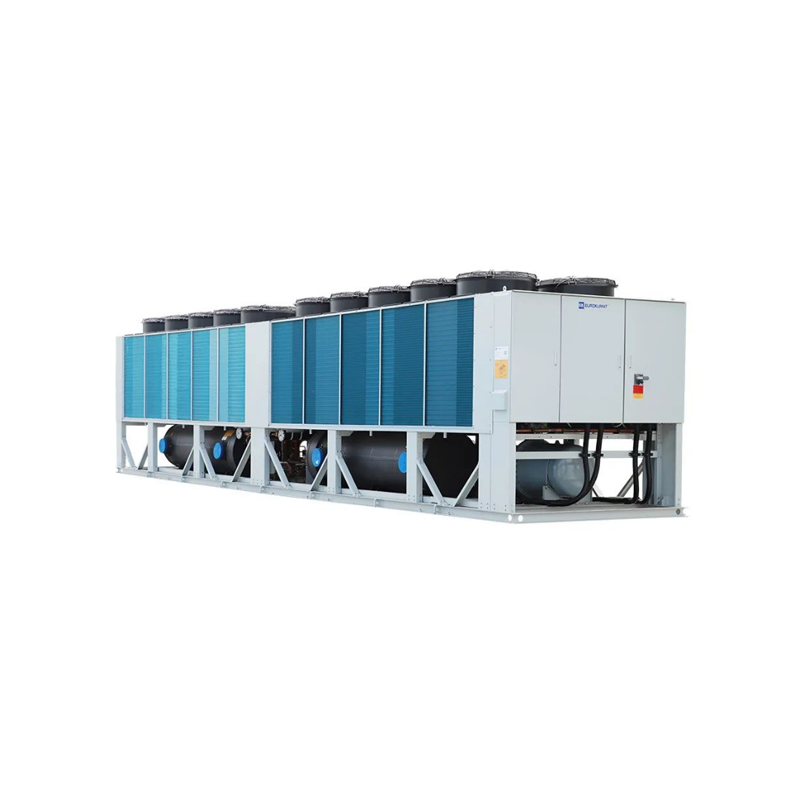 Key Factors in Selecting Energy-Efficient Axial Fans
Selecting the right axial fan involves a comprehensive understanding of various factors that influence performance and efficiency. The following are critical considerations for making an informed decision.
The primary function of an axial fan is to move air effectively. Determining the required airflow rate, measured in cubic feet per minute (CFM) or cubic meters per hour (m³/h), is essential. This involves analyzing the specific application needs, such as ventilation, cooling, or air circulation, to ensure the fan meets the performance criteria.
Static pressure, the resistance to airflow within a system, affects the fan's performance. Energy-efficient axial fans are designed to overcome higher static pressures without significant losses in efficiency. Understanding the system's static pressure helps in selecting a fan that maintains optimal airflow under varying conditions.
The environment in which the fan operates influences the selection process. Factors such as temperature, humidity, exposure to corrosive substances, and particulate matter must be considered. For instance, in corrosive environments, fans constructed with specialized materials like stainless steel or coated metals are preferred.
Noise pollution is a concern in many industrial and commercial settings. Energy-efficient axial fans are engineered to minimize noise levels through advanced blade designs and sound-dampening materials. Selecting fans that meet the acceptable decibel (dB) levels is crucial for compliance with occupational health regulations.
The motor is the heart of the fan, and its efficiency directly impacts energy consumption. Modern fans utilize EC motors, which offer higher efficiency, reduced heat generation, and longer lifespans. These motors adjust their speed based on demand, providing energy savings during partial load conditions.
Advanced control systems enhance the functionality of axial fans. Features like variable speed drives, remote monitoring, and integration with building management systems allow for precise control over airflow and energy use. Selecting fans with sophisticated controls can lead to significant operational efficiencies.
Recent advancements in technology have led to the development of highly energy-efficient axial fans. Incorporating these innovations can result in better performance and lower energy costs.
EC motors represent a significant leap in motor technology. They combine the benefits of AC and DC motors, providing high efficiency and controllability. EC motors reduce energy consumption by up to 70% compared to traditional motors, making them an ideal choice for energy-efficient axial fans.
The aerodynamic design of fan blades plays a crucial role in performance. Modern axial fans feature blades designed using computational fluid dynamics (CFD) to minimize turbulence and maximize airflow. Materials like composite polymers and aluminum alloys are used for their strength and lightness.
Integration with smart systems allows for real-time monitoring and control of fan operations. Sensors can adjust the fan speed based on environmental conditions, occupancy levels, or process requirements. This adaptability enhances energy efficiency and ensures optimal performance.
Selecting the appropriate energy-efficient axial fan requires careful evaluation of both technical specifications and application needs. The following guidelines can assist in making an informed decision.
Begin by analyzing the specific requirements of your system. This includes calculating the necessary airflow, understanding the layout of the ventilation system, and identifying any constraints such as space limitations or environmental conditions.
Evaluate the energy consumption of different fan models. Consider the total cost of ownership, which includes initial purchase price, installation costs, and long-term energy expenses. Energy-efficient models may have a higher upfront cost but offer significant savings over time.
Ensure that the selected fan complies with industry standards and local regulations. This includes energy efficiency certifications, safety standards, and environmental guidelines. Compliance not only ensures safety but can also qualify for rebates or incentives.
Choose reputable vendors who offer high-quality products and reliable support services. Consider companies that provide customization options to meet specific needs. Ongoing technical support and availability of spare parts are also important factors.
Real-world applications demonstrate the benefits of energy-efficient axial fans. Industries across various sectors have successfully implemented these fans to improve performance and reduce energy costs.
A commercial office building replaced traditional fans with energy-efficient axial fans equipped with EC motors. The result was a 50% reduction in energy consumption for the HVAC system, improved airflow, and enhanced occupant comfort.
A manufacturing facility dealing with high-temperature processes installed axial fans with advanced blade designs. These fans provided effective cooling while consuming less energy, leading to substantial cost savings and increased equipment lifespan.
Data centers require precise temperature control. Implementing energy-efficient axial fans with smart controls allowed for dynamic adjustments based on server load, reducing energy usage and maintaining optimal operating conditions for sensitive equipment.
Proper maintenance ensures that energy-efficient axial fans continue to perform optimally. Regular inspections, cleaning, and component replacement when necessary extend the lifespan of the equipment.
Develop a maintenance schedule that includes routine checks of motor function, blade condition, and control system performance. Early detection of issues prevents unplanned downtime and costly repairs.
Ensure that maintenance personnel are trained in handling advanced fan technologies. Adherence to safety protocols during installation and servicing protects workers and equipment.
Energy-efficient axial fans contribute to sustainability goals by reducing energy consumption and minimizing environmental impact. They align with global efforts to promote energy efficiency and reduce greenhouse gas emissions.
Companies adopting energy-efficient technologies demonstrate a commitment to environmental stewardship. This enhances corporate image and can lead to competitive advantages in markets that value sustainability.
Adhering to environmental regulations is essential. Energy-efficient axial fans help organizations meet or exceed regulatory requirements, avoiding penalties and contributing to a healthier environment.
The continuous evolution of technology suggests exciting developments in the field of axial fans. Future trends point towards even greater efficiency and integration with advanced systems.
The Internet of Things (IoT) enables devices to communicate and operate synergistically. Axial fans integrated into IoT networks can adapt to real-time data, optimizing performance and energy use automatically.
AI algorithms can predict maintenance needs, optimize airflow patterns, and adjust operations for maximum efficiency. Incorporating AI leads to smarter systems that learn and improve over time.
Selecting an Energy-Efficient Axial Fan is a strategic decision that impacts operational efficiency, cost savings, and environmental sustainability. By understanding the key factors involved and staying abreast of technological advancements, organizations can make informed choices that align with their objectives. Energy-efficient axial fans represent not just a product choice but a commitment to innovation and responsible stewardship of resources.


