


Have you ever wondered how modern fans are becoming more energy-efficient and quieter? EC axial fans are revolutionizing airflow technology.These fans, powered by electronically commutated motors, are gaining importance in HVAC, refrigeration, and industrial systems.In this post, you’ll learn how EC axial fans work, their advantages, and why they’re becoming the go-to solution for energy-efficient ventilation.
EC axial fans are designed to move air efficiently, combining advanced motor technology with precise control. These fans use electronically commutated motors (ECMs) that operate differently from traditional AC motors. Instead of using brushes and commutators, EC motors rely on electronic controllers to manage the power supply.
This setup results in several advantages, like greater efficiency and lower energy consumption. In an EC axial fan, the motor drives blades that circulate air across various environments, from HVAC systems to industrial machinery.
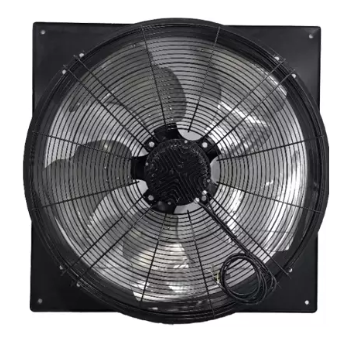
EC motors are brushless, meaning they have fewer moving parts, which leads to reduced energy loss. Traditional AC motors can waste energy due to friction and heat generated by the brushes. In contrast, EC motors optimize energy usage, allowing the fan to run more efficiently, even at lower speeds.
By adjusting the motor’s power based on real-time requirements, the fan uses only the energy needed, significantly lowering electricity consumption. This makes EC axial fans a great choice for energy-conscious environments.
An EC axial fan consists of several key components:
Component | Description |
Permanent Magnet Rotor | Provides high torque while consuming less energy. |
Stator Windings | Creates the magnetic field that drives the rotor. |
Electronic Commutators | Replace traditional brushes, enabling smooth and efficient motor operation. |
Aerodynamic Fan Blades | Designed to reduce air resistance, improving airflow. |
Integrated Drive Circuit | Controls the motor’s speed and power, allowing for precise adjustments. |
Together, these components help create a fan that is efficient, durable, and low-maintenance.
When comparing EC axial fans to traditional AC fans, the differences in performance, efficiency, and lifespan become clear. EC axial fans use brushless motors, making them more energy-efficient than AC fans, which often lose energy through friction and heat. Additionally, EC fans provide precise control over speed and airflow, offering better adaptability to different environments and operational needs.
EC axial fans also last longer, thanks to their reduced mechanical wear. This makes them a better long-term investment.
Energy Efficiency: EC axial fans consume less power while delivering similar or greater airflow than AC fans. This leads to lower electricity costs, especially in environments that require continuous ventilation.
Quieter Operation: Due to their smooth motor control, EC axial fans operate quietly, making them ideal for noise-sensitive areas like offices, hospitals, or residential buildings.
Low Maintenance: These fans have fewer moving parts compared to AC fans. As a result, they require less maintenance and have a longer lifespan, saving you money on repairs and replacements.
Lower Carbon Footprint: Since EC axial fans use less energy, they contribute to a reduction in overall carbon emissions. This makes them a more eco-friendly choice compared to traditional AC fans.
Sustainability Compliance: Many EC fans meet or exceed energy efficiency standards. Their design helps businesses and industries reduce their environmental impact while still providing effective airflow.
Eco-friendly Designs: The efficient operation and lower power consumption of EC fans align with sustainability goals. This is especially important for companies striving to meet green building certifications or reduce their environmental footprint.
EC axial fans are versatile and can be found in many industries and environments. They are especially beneficial in settings where energy efficiency, precise airflow control, and quiet operation are crucial. Common applications include commercial refrigeration, HVAC systems, data centers, and industrial ventilation.
In HVAC systems, EC axial fans play a key role in circulating air, maintaining temperature control, and ensuring energy efficiency. These fans help balance airflow, reduce energy consumption, and keep the temperature stable, making them ideal for residential, commercial, and industrial HVAC systems.
Energy Efficiency: EC fans optimize energy use, making them a great choice for energy-conscious HVAC systems.
Flexible Applications: They are used in both large commercial buildings and smaller residential setups.
EC fans can improve overall HVAC performance while reducing operating costs and noise levels.
Data centers and electronic equipment need precise cooling to prevent overheating. EC axial fans provide energy-efficient solutions by maintaining optimal temperatures for servers and sensitive electronic components.
Cooling Efficiency: EC fans efficiently cool down servers, preventing overheating and ensuring reliable performance.
Reduced Energy Costs: They consume less power, which is crucial in large data centers running 24/7.
These fans help protect valuable equipment while ensuring energy savings.
In industrial settings like factories and warehouses, EC axial fans ensure proper ventilation, helping to maintain optimal working conditions. They are particularly beneficial for heat-sensitive industrial processes, where temperature control is critical.
Airflow Control: EC fans ensure a continuous supply of fresh air, even in large manufacturing spaces.
Adaptable to Processes: They are adaptable for various industrial processes, including those that generate a lot of heat.
These fans support safety and productivity by maintaining comfortable working conditions.
In refrigeration systems, EC axial fans are used in refrigerated display cabinets, cold rooms, and beverage cooling units. They help circulate cold air, maintain a stable temperature, and ensure energy efficiency in these temperature-sensitive environments.
Temperature Stability: EC fans maintain consistent temperatures in cold rooms and refrigerated displays.
Energy Savings: By consuming less energy, they help businesses reduce refrigeration costs while maintaining efficiency.
EC axial fans are essential in keeping products fresh and energy costs low in cold storage environments.
Selecting the right EC axial fan involves considering factors like size, airflow, and efficiency. The fan should meet the specific demands of your space, ensuring optimal performance and minimal energy waste. It’s also essential to understand the power requirements and installation needs for your setup.
When choosing an EC axial fan, you need to measure airflow (CFM) and static pressure (Pa or mmH2O) to match the fan’s capacity with your space’s requirements.
Airflow (CFM): Measures how much air the fan can move per minute. Ensure the fan can handle your space’s air circulation needs.
Static Pressure: Helps determine if the fan can overcome resistance in ducts or ventilation systems.
Selecting the right capacity is crucial for the fan to operate efficiently without overworking.
In environments like offices, hospitals, or residential buildings, noise levels are crucial. EC axial fans offer quieter operations than traditional fans, but it’s important to choose models designed for low-noise applications.
Adjustable Speed Settings: Some EC fans feature speed control to reduce noise based on system needs.
Noise Reduction: Look for fans that provide noise reduction features, especially for sensitive environments.
Choosing a fan with adjustable settings ensures quieter and more efficient operation.
EC axial fans often come with customizable features to fit specific needs. Options like variable speed control and ATEX certifications provide flexibility for different applications.
Variable Speed Control: Allows for precise adjustments to airflow, saving energy when less cooling is required.
ATEX Certification: Ensures the fan is safe to use in hazardous environments.
BMS Integration: Some fans integrate into Building Management Systems (BMS) for automated control.
These options help tailor the fan’s performance to your specific requirements, ensuring it operates efficiently and safely.
The demand for energy-efficient solutions is growing across industries, and EC axial fans are at the forefront of this shift. These fans offer a significant advantage in terms of energy savings, making them an essential part of modern systems in HVAC, data centers, and industrial applications.
As the world becomes more focused on sustainability, EC axial fans play a key role in helping businesses meet green building certifications. Their ability to reduce energy consumption aligns perfectly with global efforts to create environmentally friendly and energy-efficient buildings.
In smart buildings, EC axial fans are integrating seamlessly into IoT-enabled systems. This allows real-time performance monitoring, so fans adjust to current conditions, optimizing energy use.
Automated Control: EC fans can automatically adjust their speed based on demand, reducing unnecessary energy consumption.
Energy Savings: With smart systems, energy consumption becomes more efficient, contributing to long-term savings and sustainability.
As smart homes and buildings continue to grow in popularity, EC axial fans will be a key player in ensuring both comfort and efficiency.
1. What is an EC axial fan?
An EC axial fan is a type of ventilation fan powered by an electronically commutated (EC) motor. This motor combines the efficiency of DC motors with the flexibility of AC power, offering better performance, energy savings, and quiet operation compared to traditional AC fans.
2. How do EC axial fans work?
EC axial fans use an electronically commutated motor that eliminates the need for brushes, which results in greater efficiency and fewer maintenance needs. The fan blades are driven by the motor, which creates airflow perpendicular to the axis of the fan, allowing for efficient ventilation and cooling.
3. What are the advantages of using EC axial fans over traditional AC fans?
EC axial fans offer several benefits, including superior energy efficiency, lower operating costs, and quieter operation. They also have a longer lifespan, require less maintenance, and provide precise control over airflow, making them ideal for sensitive environments.
4. In which applications are EC axial fans commonly used?
EC axial fans are widely used in HVAC systems, data centers, commercial refrigeration, and industrial ventilation. They help maintain optimal temperatures, reduce energy consumption, and provide consistent airflow in various commercial and industrial settings.
5. Are EC axial fans more environmentally friendly than traditional fans?
Yes, EC axial fans are more environmentally friendly due to their high energy efficiency. They consume less power and reduce carbon emissions compared to traditional AC fans. Their eco-friendly design helps meet sustainability standards and contributes to energy savings in various applications.
EC axial fans offer significant benefits in energy efficiency, quieter operation, and longer lifespan. These fans are ideal for a range of applications, from HVAC to industrial ventilation.If you’re looking for a high-efficiency, low-maintenance solution, EC axial fans are a smart choice for your ventilation needs. Consider investing in them for better performance and energy savings.


