


Views: 126 Author: Site Editor Publish Time: 2025-07-09 Origin: Site


In the ever-evolving landscape of heating, ventilation, and air conditioning (HVAC) systems, energy efficiency has become a paramount concern for both industrial and residential applications. As the demand for sustainable solutions grows, engineers and facility managers are turning to innovative technologies to reduce energy consumption without compromising performance. One such technological advancement is the EC Axial Fan. This cutting-edge component is redefining the way HVAC systems operate by offering superior efficiency, reduced operational costs, and enhanced controllability compared to traditional fan systems.
Electronically Commutated (EC) technology combines the best features of AC and DC motors, providing high efficiency and precise control. Unlike traditional AC motors that rely on mechanical commutation, EC motors utilize electronic commutation to control the motor's speed and torque. This results in a significant reduction in energy losses typically associated with mechanical friction and heat.
At the core of EC technology is a brushless DC motor equipped with a permanent magnet rotor and a stator with windings. The motor is powered by an external electronic circuit, or inverter, which transforms the incoming AC power supply into a DC voltage. The inverter then electronically commutates the motor by switching the current in the stator windings, creating a rotating magnetic field that drives the rotor. This process allows for precise speed control and high efficiency over a wide range of operating conditions.
In HVAC systems, fans are crucial components responsible for circulating air throughout the system. Traditional fans driven by AC motors often operate at fixed speeds, leading to unnecessary energy consumption during periods of low demand. EC Axial Fans address this issue by providing variable speed control, allowing the fan's performance to match the system's real-time requirements.
EC Axial Fans integrate seamlessly into HVAC systems due to their compact design and compatibility with existing infrastructure. They are especially advantageous in applications requiring precise airflow control, such as cleanrooms, data centers, and variable air volume (VAV) systems. By adjusting the fan speed in response to environmental conditions or occupancy levels, EC Axial Fans optimize air distribution and maintain desired indoor air quality while minimizing energy usage.
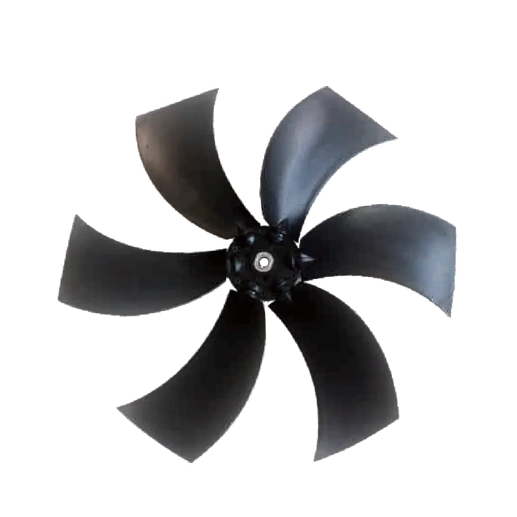 Energy Efficiency and Cost Savings
One of the primary benefits of EC Axial Fans is their exceptional energy efficiency. Traditional AC fans often operate at full speed regardless of the actual demand, leading to energy wastage. In contrast, EC Axial Fans adjust their speed to meet the precise airflow requirements, resulting in significant energy savings.
The efficiency gains are attributed to both the motor design and the electronic control system. EC motors have efficiencies exceeding 90%, considerably higher than standard AC motors. Furthermore, the ability to modulate fan speed ensures that energy consumption is proportional to the system's needs. According to industry studies, integrating EC Axial Fans into HVAC systems can reduce fan energy consumption by up to 70%, translating to substantial cost savings over the equipment's lifespan.
For example, a commercial building that replaces its traditional HVAC fans with EC Axial Fans may observe a payback period of less than two years due to reduced energy bills. Additionally, utility companies often offer incentives for the adoption of energy-efficient technologies, further enhancing the return on investment.
EC Axial Fans offer unparalleled control capabilities that enhance HVAC system performance. The integrated electronic controls allow for precise adjustments to fan speed, facilitating optimization of airflow patterns and pressure levels within the system. This level of control contributes to improved thermal comfort and consistent environmental conditions.
Moreover, EC Axial Fans can be integrated with building management systems (BMS) and Internet of Things (IoT) platforms. This connectivity enables remote monitoring and diagnostics, predictive maintenance, and automated adjustments based on occupancy or environmental sensors. Such smart integration enhances system responsiveness and can lead to additional energy savings by dynamically adapting to real-time conditions.
Another significant advantage of EC Axial Fans is their low operational noise. Traditional fans operating at full speed can generate substantial noise levels, affecting occupant comfort, especially in settings like offices, hospitals, or educational institutions. The variable speed capability of EC fans allows them to operate at lower speeds when full airflow is not required, thereby reducing noise output.
The electronic control also ensures smoother operation with less vibration, contributing to a quieter environment. This reduction in noise pollution not only enhances comfort but can also comply with stringent building regulations regarding sound levels.
Upgrading to EC Axial Fans in existing HVAC systems can be a straightforward process. Due to their compact design and compatibility, they can often replace traditional fans without extensive modifications. When planning a retrofit, it is essential to consider factors such as the fan’s size, airflow requirements, and integration with current control systems.
Professional assessment is recommended to ensure that the new fans meet the system's performance criteria. Additionally, leveraging the advanced features of EC Axial Fans may require updates to the HVAC control strategies or software upgrades in building management systems. Training for maintenance personnel on the new technology can further enhance the benefits and longevity of the equipment.
Reducing energy consumption has a direct positive impact on the environment by lowering greenhouse gas emissions associated with electricity generation. By implementing EC Axial Fans, organizations contribute to sustainability goals and may improve their environmental certifications, such as LEED (Leadership in Energy and Environmental Design).
Furthermore, the high efficiency and durability of EC motors result in a longer service life and reduced maintenance requirements. This longevity reduces waste and the environmental impact associated with manufacturing and disposing of equipment. Choosing energy-efficient components aligns with global efforts to combat climate change and promotes corporate social responsibility.
Several organizations have successfully integrated EC Axial Fans into their HVAC systems with remarkable results. For instance, a data center upgraded its cooling system by replacing traditional fans with EC Axial Fans, achieving a 50% reduction in energy consumption related to cooling. This not only lowered operational costs but also enhanced the reliability of the cooling system, critical for data center operations.
In another example, a hospital implemented EC Axial Fans to improve indoor air quality and reduce noise levels. The variable speed control allowed for adjustments in airflow during different times of the day, aligning ventilation with occupancy patterns. This strategic implementation resulted in energy savings and improved patient and staff comfort.
These case studies demonstrate the versatility and effectiveness of EC Axial Fans across various industries. By tailoring the implementation to specific needs, organizations can maximize the benefits of this technology.
The HVAC industry continues to evolve with a focus on energy efficiency and smart technologies. Advancements in EC motor design and materials are expected to further enhance performance and reduce costs. Emerging technologies, such as integrated sensors and machine learning algorithms, may enable EC Axial Fans to autonomously optimize their operation for even greater efficiency.
Additionally, as regulatory standards become more stringent regarding energy consumption and environmental impact, the adoption of EC technology is likely to accelerate. Manufacturers are investing in research and development to produce next-generation EC Axial Fans that meet future demands and sustainability targets.
The integration of EC Axial Fan technology into HVAC systems represents a significant advancement in achieving energy efficiency and operational excellence. By leveraging the benefits of electronic commutation, these fans offer superior control, reduced energy consumption, lower noise levels, and contribute to environmental sustainability. The transition to EC Axial Fans is a strategic investment that yields substantial long-term savings and aligns with the global emphasis on energy conservation. As the technology continues to evolve, it presents an opportunity for organizations to innovate and lead in the adoption of efficient HVAC solutions.


