


Views: 0 Author: Site Editor Publish Time: 2025-11-20 Origin: Site


In the realm of modern motor technology, Electronically Commutated (EC) motors have emerged as a game-changer, particularly in applications like HVAC systems. One of the most significant advantages of EC motors is their integrated power electronics, which raise an important question: do these advanced motors need a traditional starter? This article explores the unique features of EC motors, highlighting their self-protection capabilities and soft start functionality that eliminate the necessity for external starters, ultimately simplifying installation and enhancing reliability.
EC motors stand apart because they include integrated power electronics right inside the motor housing. This means the motor has its own built-in controller that manages power delivery and speed. Instead of relying on external devices, the motor itself handles the conversion and control of electricity. This integration simplifies the overall system design and improves reliability since fewer external components are needed.
One key function of the integrated electronics is converting AC power from the supply line into DC power that the motor’s permanent magnets and windings use. The motor’s internal inverter takes the standard AC voltage and rectifies it into DC. This process enables the brushless DC operation of the motor, which offers higher efficiency and quieter operation compared to traditional AC motors. The smooth DC power also allows precise speed control.
EC motors typically communicate with external controllers or building management systems through communication buses such as Modbus or BACnet. These buses allow the motor to receive speed setpoints and operational commands. The integrated electronics interpret these signals to adjust motor speed dynamically. This programmability lets users fine-tune motor performance for energy savings and comfort.
Furthermore, the motor’s controller often includes feedback mechanisms that report back operational data like speed, current, and fault status. This two-way communication enables proactive maintenance and system optimization.
The integrated power electronics in EC motors eliminate the need for external variable frequency drives, simplifying installation and improving control accuracy in HVAC and industrial applications.
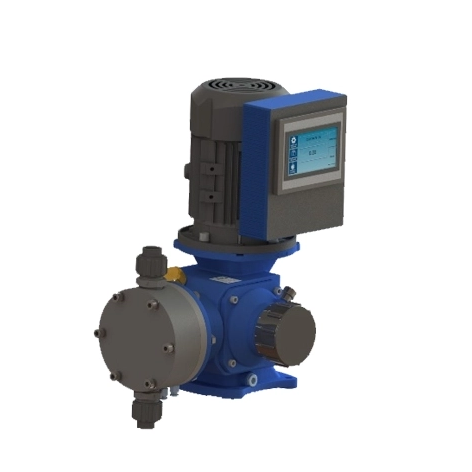
EC motors are designed to be highly energy efficient. They use permanent magnets and brushless designs, which reduce energy losses common in traditional motors. The integrated electronics optimize power use, adapting motor speed precisely to demand. This means less wasted energy and lower operating costs. For example, EC motors can achieve efficiencies 20-30% higher than standard AC motors, making them ideal for HVAC systems where energy savings are crucial.
One standout benefit of EC motors is their programmability. The built-in controller allows users to set specific speed profiles, adjust torque, and implement custom control algorithms. This flexibility means EC motors can adapt to various applications, from simple fans to complex industrial machinery. They can communicate with building management systems or automation networks through protocols like Modbus or BACnet, enabling remote monitoring and fine-tuning. This level of control helps optimize performance and energy use.
EC motors require far less maintenance than traditional motors. Their brushless design eliminates wear-prone brushes, reducing mechanical failures. The integrated electronics also monitor motor health, providing early warnings of potential issues. Additionally, EC motors often use high-quality bearings and sealed housings, protecting internal components from dust and moisture. This durability results in longer motor life and fewer service interruptions, lowering total cost of ownership.
Regularly update EC motor firmware when available to maintain optimal performance and take advantage of new energy-saving features.
EC motors outperform traditional AC motors in energy efficiency. They use permanent magnets and brushless designs, which cut down energy losses. Integrated power electronics optimize power consumption by adjusting speed precisely to demand. This results in efficiency improvements often ranging from 20% to 30% over standard AC motors. For example, in HVAC systems, EC motors reduce electricity use significantly, lowering operational costs and carbon footprint. Traditional AC motors, by contrast, run at fixed speeds and lose energy during start-up and operation.
Unlike traditional AC motors, EC motors offer superior control and speed variability. Traditional motors usually operate at fixed speeds tied to line frequency, requiring external devices like variable frequency drives (VFDs) for speed control. EC motors have built-in controllers that convert AC to DC and modulate speed internally, eliminating the need for external VFDs. This allows smooth, precise speed adjustments over a wide range, improving system responsiveness and energy savings. For instance, EC motors can run quietly at low speeds during night setback periods and ramp up quickly when demand rises.
EC motors simplify installation and save space compared to traditional AC motors plus external controls. Since EC motors integrate power electronics inside the motor housing, there is no need for additional control cabinets or VFDs. This reduces overall footprint and wiring complexity. The compact design also makes EC motors lighter and easier to handle. Traditional AC motor systems require more space for starters, contactors, and VFDs, increasing installation time and cost. The integrated nature of EC motors streamlines system design, which is particularly beneficial in tight mechanical rooms or retrofit projects.
When upgrading from traditional AC motors to EC motors, consider the reduced space and wiring needs to optimize installation costs and system layout.
EC motors come equipped with built-in motor protection functions. These functions monitor current, voltage, temperature, and other operating parameters continuously. Because of the integrated power electronics, the motor can protect itself from issues like overload, phase failure, or short circuits. This self-protection means external devices for starting or protecting the motor are often redundant. The motor’s controller handles starting, stopping, and speed regulation internally, ensuring smooth operation without needing a separate starter.
Traditional AC motors require starters to manage the high inrush current during startup, preventing damage to electrical components. EC motors, however, do not have this problem because their integrated electronics control the power flow precisely from the moment they start. The electronics ramp up the motor speed gradually, eliminating the sudden current spikes typical of traditional motors. This soft start capability removes the need for external starters or soft starters, simplifying installation and reducing system complexity.
Using conventional motor starters on EC motors can cause problems. The integrated power electronics in EC motors include capacitive elements that can draw high surge currents. When a starter interrupts or closes the power supply, these currents can damage the starter contacts or cause nuisance tripping in protection devices. Additionally, the motor’s controller may detect abnormal conditions during starter operation, leading to false fault signals or unexpected shutdowns. Therefore, applying traditional starters risks motor damage, reduced reliability, and increased maintenance costs.
Another consideration is leakage current. EC motors’ internal filters can allow small leakage currents, which may trip residual current devices (RCDs) or ground fault circuit interrupters (GFCIs). This behavior is normal for EC motors but requires attention when designing protection schemes. Always consult manufacturer specifications to select suitable protective devices and avoid nuisance trips.
Avoid using traditional motor starters with EC motors; rely on the motor’s integrated electronics for protection and starting to ensure reliable operation and prevent equipment damage.
EC motors are widely used in HVAC systems due to their energy efficiency and precise control. They power fans, blowers, and pumps, adjusting speed based on heating or cooling demands. This adaptability helps reduce energy consumption and improves indoor comfort. For example, EC motors in air handling units can modulate airflow smoothly, avoiding the energy waste typical of fixed-speed motors. Their quiet operation also makes them ideal for office buildings, hospitals, and schools where noise reduction is important.
Fan-powered terminal units often incorporate EC motors to handle variable air volume needs in different zones. These motors allow the terminal units to deliver the right airflow regardless of duct length or external static pressure. EC motors’ programmability lets users set specific speed profiles or maintain constant volume despite pressure changes. This flexibility enhances occupant comfort and system efficiency. Additionally, the compact size of EC motors fits well in terminal units where space is limited.
Beyond HVAC, EC motors serve many commercial and industrial purposes. They power conveyor belts, packaging machines, and other equipment requiring variable speed control. Their integrated electronics simplify system design by eliminating external drives and starters. This reduces installation time and maintenance costs. In industrial settings, EC motors provide reliable performance even under harsh conditions, thanks to their durable construction and built-in protection features. Their energy savings also help companies meet sustainability goals and reduce operational expenses.
When selecting EC motors for applications, consider the motor’s programmability and communication options to fully leverage energy savings and system integration benefits.
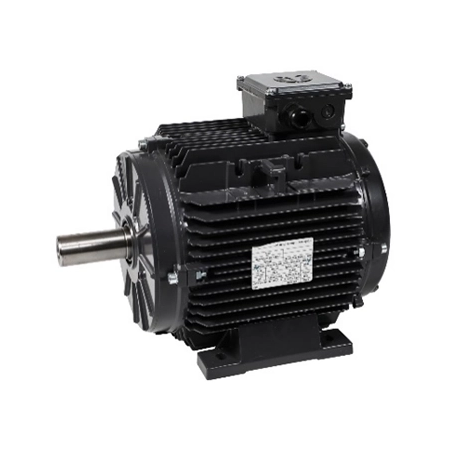
EC motors include integrated power electronics that often contain capacitive filters to reduce electromagnetic interference. These filters can cause small leakage currents to flow to ground. While these leakage currents are normal, they may trip sensitive residual current devices (RCDs) or ground fault circuit interrupters (GFCIs) if not properly accounted for. This effect requires careful coordination between motor selection and the protective devices used in the electrical installation. Designers must ensure that the protective devices’ trip thresholds accommodate the expected leakage current levels to avoid nuisance trips, which can disrupt operation and increase maintenance.
Each EC motor model comes with specific electrical and mechanical characteristics defined by the manufacturer. These include maximum current ratings, voltage ranges, thermal limits, and recommended protection devices. Strict adherence to these specifications is vital to ensure safe and reliable motor operation. For example, manufacturers provide guidelines on acceptable leakage current levels and compatible circuit breakers or RCD types. Ignoring these instructions can lead to premature motor failure or safety hazards. Always consult the motor’s datasheet and installation manual before specifying protective equipment or integrating the motor into a system.
Since EC motors have built-in motor protection functions, external protection devices should focus on line protection rather than motor starting or overload. Overcurrent protection devices, such as circuit breakers or fuses, must be correctly rated to handle normal operating currents plus any inrush currents, although EC motors typically have a soft start that limits inrush. Additionally, the use of RCDs or GFCIs requires selecting types compatible with EC motors’ leakage currents to prevent nuisance tripping. Safety measures should also consider the motor’s environment, ensuring that enclosures and wiring meet relevant standards for moisture, dust, and temperature. Proper grounding is essential to safely manage leakage currents and ensure user safety.
Always review EC motor manufacturer guidelines for leakage current and protection device compatibility to design safe, reliable electrical systems that avoid nuisance trips and equipment damage.
EC motors offer integrated power electronics, eliminating the need for starters and enhancing energy efficiency. They provide precise control and reduce installation complexity. Future trends suggest increased programmability and communication capabilities, broadening their applications. EC motors, such as those from Leading EC Fan & centrifugal fan Manufacturer - Dowell, deliver significant value through reliability and durability, making them ideal for various industrial uses. Their advanced features ensure optimal performance and energy savings, positioning them as a preferred choice in modern systems.
A: No, EC motors do not require a starter. They have integrated power electronics that manage power flow and provide a soft start, eliminating the need for traditional starters.
A: EC motors achieve energy efficiency through integrated power electronics that optimize power consumption, brushless designs, and permanent magnets, resulting in 20-30% higher efficiency than traditional AC motors.
A: EC motors are preferred in HVAC systems due to their energy efficiency, precise speed control, and quiet operation, which improve comfort and reduce energy consumption.
A: EC motors offer higher energy efficiency, integrated control, reduced installation complexity, and better speed variability compared to traditional AC motors.
A: Yes, EC motors can handle variable speed requirements due to their built-in controllers, which allow for smooth and precise speed adjustments without external devices.


