


Views: 0 Author: Site Editor Publish Time: 2025-12-25 Origin: Site


Did you know that without a well-functioning centrifugal fan impeller, entire ventilation and cooling systems could fail? These small yet powerful components are vital to keeping air flowing smoothly in many industrial applications. In this article, we'll delve into the inner workings of centrifugal fan impellers and their crucial role in various industries. By the end, you’ll understand how they operate, their different types, and how they can enhance system performance and efficiency.
A centrifugal fan impeller is the rotating part inside a fan that moves air or gases using centrifugal force. The impeller converts rotational energy from the motor into kinetic energy, pushing air outward. This movement generates airflow and pressure, which is crucial for systems like HVAC, industrial exhausts, and dust collection.
The main components of a centrifugal fan impeller include:
Hub: The hub is the core component of the impeller, typically made from strong, corrosion-resistant materials like steel or aluminum. It provides a stable base for the blades, ensuring they stay securely attached during high rotational speeds. The hub design affects the fan’s mechanical strength, vibration resistance, and overall stability during operation. A well-designed hub can reduce maintenance needs by minimizing wear caused by centrifugal forces.
Blades: The blades of a centrifugal fan impeller are crucial for converting rotational energy into airflow. Blade shape, angle, and material determine airflow efficiency and pressure generation. For example, forward-curved blades are ideal for high air volumes at low pressure, while backward-curved blades are better for higher pressure applications. Blade materials like stainless steel or composites offer durability and resistance to corrosion, especially in harsh environments. Blade configuration plays a major role in balancing airflow with energy consumption.
Drive Mechanism: The drive mechanism typically consists of an electric motor, either directly connected to the impeller (direct drive) or linked via a belt and pulley system (belt drive). Direct drive systems offer better efficiency and fewer components, reducing maintenance needs, while belt drive systems allow for more flexibility in motor placement. The choice of motor—AC, DC, or EC (Electronically Commutated)—impacts the fan’s speed control, energy consumption, and adaptability to varying workload conditions. Proper motor sizing ensures the system operates within its optimal power range, avoiding energy waste and excessive wear.
The impeller's design directly affects its performance. The angle of the blades, the shape of the hub, and the materials used determine the airflow volume, pressure capabilities, and energy efficiency. The fan's role in generating airflow and overcoming resistance makes it a vital component in ventilation and cooling systems.
Centrifugal force is the key principle behind the operation of centrifugal fan impellers. The table below explains how centrifugal force and fluid dynamics contribute to airflow and pressure generation.
| Factor | Description | Efficiency | Application Areas | Key Considerations | Notes and Precautions |
|---|---|---|---|---|---|
| Centrifugal Force | Air is accelerated outward from the impeller due to centrifugal force. | High airflow, moderate pressure | All centrifugal fan applications | Relies on rotational speed and blade angle | Efficiency increases with higher RPMs, but it also increases power consumption |
| Fluid Dynamics | Air's kinetic energy is converted into pressure as it moves outward. | Moderate to high pressure generation | HVAC, industrial ventilation, material handling | Ensures consistent flow and pressure | Requires proper fan sizing and balancing for optimal fluid dynamics |
Tip: Properly balancing the impeller and optimizing RPM can significantly enhance performance while maintaining energy efficiency.
Air is drawn into the impeller at the center (the "eye"). As the impeller rotates, the blades capture the air and fling it outward. This motion increases the air's speed and pressure, making it suitable for various applications, from ventilation to material handling. The air then exits the fan housing, where it is directed to perform specific tasks like cooling or fume extraction.
The energy conversion in centrifugal fan impellers is crucial to understanding their functionality. The rotational energy from the motor is transferred into kinetic energy by the blades, accelerating the air and increasing pressure. This energy transfer enables the fan to overcome system resistance, such as ductwork or filters, ensuring smooth airflow.
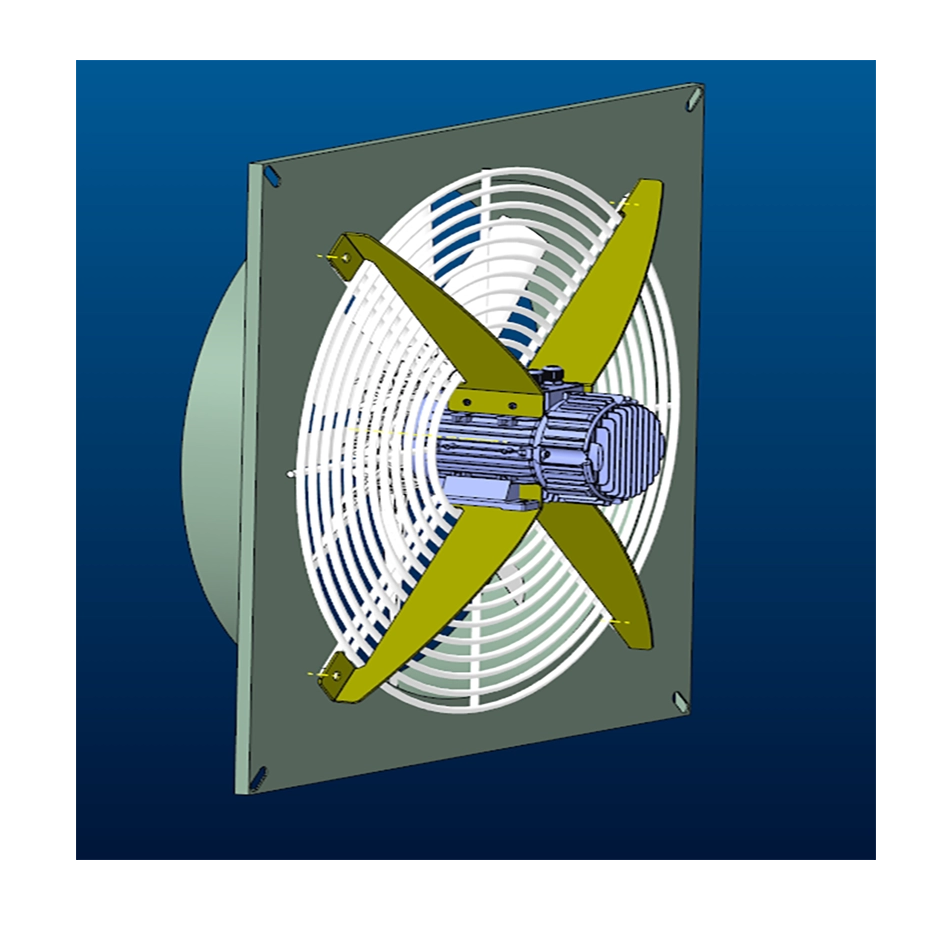
Centrifugal fan impellers come in various designs, each offering specific benefits suited to different applications. Understanding their features can help optimize performance based on airflow needs, pressure requirements, and environmental conditions.
| Impeller Type | Blade Design | Efficiency | Application Areas | Efficiency Indicators | Technical Considerations | Notes and Precautions |
|---|---|---|---|---|---|---|
| Forward-Curved | Blades curve in the direction of rotation | High airflow, lower pressure | HVAC systems, air conditioning, ventilation | Best for large volumes of air | Less efficient at higher pressures, prone to dust collection | Suitable for clean air applications |
| Backward-Curved | Blades curve opposite to the direction of rotation | High pressure generation | Industrial exhaust, fume extraction | Excellent for high-pressure applications | Higher pressure but lower volume | Ideal for harsh environments with fewer debris |
| Radial | Straight blades extending radially from the hub | Balanced airflow and pressure | Dust collection, material handling | Handles high resistance, balanced | Noisy at high speeds, simple design | Effective for material-laden airflows |
| Airfoil | Wing-like design for maximum efficiency | Low noise, high efficiency | Clean air applications, energy-efficient systems | Best in low-noise and high-efficiency environments | More costly, requires precise airflow control | Ideal for clean environments with low energy loss |
Tip: When selecting an impeller, consider the specific environment and operational needs, such as noise tolerance and air quality requirements, to optimize efficiency and lifespan.
Variable Frequency Drives (VFDs) provide precise control over the fan impeller’s speed, enhancing the overall system efficiency. Here’s how VFDs work and their impact on fan performance.
| Control Method | Description | Efficiency | Application Areas | Key Considerations | Notes and Precautions |
|---|---|---|---|---|---|
| VFD (Variable Frequency Drives) | Adjusts motor speed for precise control of the impeller's speed and airflow. | Reduces energy usage, improves control | HVAC systems, industrial ventilation, energy-saving applications | Requires VFD-compatible motor, proper integration | Can improve efficiency but may require additional upfront investment |
| Control Impact | Allows for variable control of airflow and pressure depending on system needs. | Increases operational efficiency | Applied in systems where variable airflow is needed | Enhances system longevity, reduces wear on components | Ensure VFD is calibrated regularly to maintain efficiency |
Tip: Using VFDs in energy-efficient systems can reduce operating costs significantly by adjusting fan speed to real-time demands.
Integrating dampers into the ventilation system allows precise control of the airflow entering or exiting the fan. Dampers can adjust based on pressure or volume, ensuring the centrifugal fan operates within its optimal performance range. This further enhances the system's energy efficiency and airflow consistency.
Regular maintenance and monitoring are crucial for maintaining the fan’s efficiency. Checking for wear and tear on the blades, hub, and drive mechanism can prevent performance degradation. Monitoring the fan’s airflow and pressure ensures it operates at peak efficiency.
Tip: Regular inspections and monitoring can extend the lifespan of the centrifugal fan impeller and improve system performance.
Centrifugal fan impellers are designed to efficiently generate high pressure, making them ideal for applications requiring consistent airflow and overcoming system resistance. The table below explores these advantages.
| Advantage | Description | Efficiency | Application Areas | Key Considerations | Notes and Precautions |
|---|---|---|---|---|---|
| High Efficiency | Centrifugal fan impellers are efficient at moving air at high pressures. | High pressure, high airflow | Industrial exhaust, HVAC, material handling | Best for high resistance applications | Requires correct sizing to match airflow needs |
| Pressure Generation | Capable of generating high pressure, overcoming system resistance. | High pressure generation, low volume | Dust collection, fume extraction | Excellent for systems with high resistance | Regular monitoring is necessary to avoid performance degradation |
Tip: Regularly monitor system performance to ensure pressure generation remains stable, preventing unexpected downtimes and system inefficiency.
Centrifugal fan impellers are designed for durability and reliability, often using materials like stainless steel, aluminum, or high-performance alloys to resist corrosion and wear. These materials ensure the impeller can withstand the mechanical stresses, high rotational speeds, and harsh environmental conditions. Advanced coating technologies, such as epoxy or galvanization, further enhance corrosion resistance, particularly in applications exposed to moisture or chemicals. The impeller’s balanced design reduces vibration, minimizing wear on bearings and other components. Regular maintenance, such as lubrication and inspection for wear, can extend the operational life, ensuring consistent performance and minimizing downtime.
Centrifugal fan impellers are versatile and can be customized to suit a wide range of industrial needs. They are used in HVAC systems, material handling, dust collection, and exhaust systems, proving their adaptability across multiple sectors.
Tip: Selecting the right impeller design based on your application’s airflow and pressure requirements will optimize performance and efficiency.
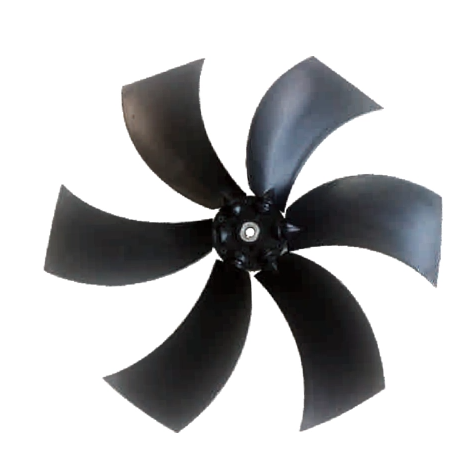
Centrifugal fan impellers, especially radial types, often generate significant noise due to their high rotational speeds and blade interactions with air. This noise can increase in environments with higher system resistance or improper fan balancing. In sensitive applications like hospitals or offices, additional noise-damping measures, such as soundproofing casings or isolation mounts, may be necessary. Noise levels can be reduced by selecting fan types optimized for low-noise operation, such as airfoil or backward-curved blades, and maintaining proper operational speeds.
The accumulation of dust and debris on centrifugal fan impellers can lead to imbalance, resulting in vibrations and reduced airflow efficiency. This is particularly problematic in industrial environments like woodworking, mining, or manufacturing, where airborne particles are prevalent. To mitigate this, impellers may require frequent cleaning, and regular inspections are critical to ensure smooth operation. Advanced coatings and blade designs that minimize dust accumulation can help reduce maintenance needs, improving the fan’s longevity and performance.
Although centrifugal fan impellers are effective at generating pressure, they have limitations in terms of the maximum pressure they can achieve. For applications requiring extremely high pressure ratios, alternative solutions, such as positive displacement blowers, might be more appropriate.
Tip: Consider the operating environment and specific pressure needs before choosing a centrifugal fan impeller.
Centrifugal fan impellers are critical components in HVAC systems, ensuring efficient airflow and pressure regulation across air handling units and ducts. The table below outlines the key specifications, efficiency factors, and important technical aspects to consider when choosing impellers for HVAC applications.
| Factor | Description | Efficiency | Application Areas | Technical Specifications | Performance Indicators | Notes and Precautions |
|---|---|---|---|---|---|---|
| Airflow Control | Centrifugal fan impellers move air through HVAC systems to maintain consistent airflow. | High efficiency in maintaining steady airflow | Air handling units, duct systems, commercial and residential HVAC | Airflow: 1,000–50,000 m³/h; Pressure: 200–2,000 Pa | Ensures optimal airflow for consistent temperature regulation | Use Variable Frequency Drives (VFDs) to adjust airflow dynamically and save energy during low demand |
| Fan Blade Design | Forward-curved blades reduce resistance and provide steady airflow. | Very high efficiency, low power consumption | Air filtration, temperature regulation, air conditioning | Blade design: Forward-curved or backward-curved depending on airflow requirements | Low noise levels and smooth airflow at high RPMs | Forward-curved blades help reduce noise levels; backward-curved blades generate higher pressure |
| Energy Efficiency | Impellers equipped with VFDs allow dynamic adjustments to airflow, improving energy efficiency. | Very high, energy consumption reduction | Energy-efficient cooling and heating applications | Efficiency: 85%–90% with VFDs; up to 80% without VFDs | Reduced energy consumption with VFD control, adjusting speed as needed | Requires regular maintenance of VFDs and fan components for peak performance |
| Noise Generation | Forward-curved blades reduce noise compared to radial designs. | Low noise, high efficiency | Residential, commercial, and noise-sensitive environments | Noise levels: typically < 60 dB at standard operation | Quieter operation than traditional fan designs, enhancing comfort | Proper fan installation and insulation required to minimize vibrations and noise |
| Pressure Generation | These impellers provide adequate pressure to overcome ductwork resistance, ensuring air moves efficiently. | High pressure generation in medium to large HVAC systems | Ventilation in buildings, air conditioning, exhaust systems | Pressure range: 200–2,000 Pa depending on fan type and system setup | Capable of maintaining consistent air pressure over long distances | Excessive pressure settings may cause overloading and energy waste, ensure proper sizing |
| System Integration | The impeller is part of a larger HVAC system that includes filters, dampers, and ducts. | System integration improves overall performance | Integrated into HVAC systems with air filtration, cooling, and heating | Must be designed for compatibility with ducts, filters, and cooling units | Efficient integration ensures balanced airflow and temperature control | System design and impeller sizing must be accurate to prevent under or overcapacity |
Tip: For optimal energy efficiency in HVAC systems, ensure fan impellers are equipped with VFDs to adjust airflow dynamically. This will reduce energy consumption during low-demand periods while maintaining comfortable indoor conditions.
Centrifugal fan impellers are widely used in industrial ventilation systems, particularly for applications involving fume extraction, air filtration, and exhaust. Their ability to handle high airflow rates and overcome system resistance makes them ideal for extracting toxic fumes and maintaining safe working conditions. They can be constructed from corrosion-resistant materials like stainless steel or coated for high-temperature resistance, ensuring reliable performance in challenging environments such as chemical processing plants, manufacturing units, and power plants. Proper fan selection ensures minimal energy use while handling extreme conditions.
In dust collection systems, centrifugal fan impellers generate the necessary suction to capture and move airborne particles efficiently. They are critical in industries such as woodworking, pharmaceutical manufacturing, and food processing, where maintaining a dust-free environment is essential for both worker safety and product quality. The radial and backward-curved impeller designs excel in creating high suction and overcoming airflow resistance, while also minimizing the risk of clogging. Advanced filtration systems integrated with the impeller ensure that fine dust particles are efficiently collected, reducing airborne contaminants.
Centrifugal fan impellers are vital in agricultural settings, where they are used to regulate airflow in environments like greenhouses, livestock buildings, and grain storage facilities. These fans help maintain proper temperature and humidity levels, which are essential for optimal plant growth and animal health. With adjustable airflow capabilities, centrifugal fan impellers can meet the varying needs of different agricultural environments, whether for cooling, drying, or ventilating. Their ability to handle high volumes of air efficiently helps improve productivity and reduces the risk of heat stress or spoilage in agricultural products.
Centrifugal fan impellers play a crucial role in industrial systems, ensuring efficient airflow and pressure generation for ventilation, cooling, and exhaust. Their design and functionality are key to maintaining system performance. By understanding the various types and applications of centrifugal fan impellers, you can select the right one for your needs, ensuring optimal performance and energy efficiency. At Suzhou Dowell Ventilation Technology Co., Ltd., we offer advanced centrifugal fan impellers designed for high efficiency, durability, and versatility, making them ideal for a wide range of applications.
A: A centrifugal fan impeller is the rotating component in a fan that moves air or gases using centrifugal force. It converts rotational energy into kinetic energy, generating airflow and pressure.
A: The impeller spins, accelerating air outward from the center, creating high pressure and velocity. This process moves air efficiently, making it suitable for ventilation and cooling systems.
A: The main types are forward-curved, backward-curved, radial, and airfoil impellers. Each has different applications based on airflow, pressure, and noise requirements.
A: A fan impeller ensures proper airflow and pressure in HVAC systems, maintaining indoor air quality, comfort, and energy efficiency.
A: High-speed impellers, especially radial types, can generate significant noise. This can be reduced with proper installation and blade design, such as using forward-curved blades.
A: Using Variable Frequency Drives (VFDs) to control speed and integrating dampers for airflow regulation can optimize a fan impeller’s performance and efficiency.
A: Yes, certain impellers, like backward-curved models, are designed to generate high pressure, making them ideal for industrial exhaust and fume extraction systems.


