


Views: 240 Author: Site Editor Publish Time: 2025-08-27 Origin: Site


Motors are essential in many industries, powering everything from HVAC systems to household appliances. But have you heard of EC type motors? These motors are revolutionizing energy efficiency and environmental sustainability. In this post, we’ll explore what EC motors are, how they work, and why they’re becoming a popular choice for modern applications.
An EC motor, or Electronically Commutated motor, is a brushless DC motor. Unlike traditional motors, it uses electronic systems to control the motor’s functions instead of mechanical brushes. The term “commutated” refers to the electronic control of current in the motor’s windings, ensuring smooth operation.
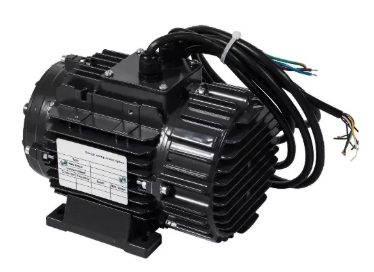
Traditional AC motors rely on alternating current to create magnetic fields, while DC motors use direct current and mechanical brushes. EC motors are a blend of both. They work like DC motors but without brushes, using integrated electronics to convert AC power into the necessary DC power. This makes them much more efficient and easier to control than AC or DC motors.
Here’s a quick comparison:
Feature | EC Motor | AC Motor | DC Motor |
Power Supply | AC converted to DC | AC | DC |
Brushes | No | Yes | Yes |
Control | Electronic | Limited (often requires VFD) | Mechanical (via brushes) |
Efficiency | Very High | Moderate | Low to Moderate |
EC motors have a few distinct components that make them stand out. These include:
Internal or External Rotor: The rotor in an EC motor can be placed either inside or outside the stator. External rotors are common, making the motor more compact and efficient.
Permanent Magnets: The rotor uses permanent magnets instead of electromagnetic windings. This increases efficiency and reduces wear.
Integrated Electronics: These electronics handle everything from commutation to speed control. They allow for precise monitoring and energy-saving adjustments based on load and speed.
EC motors combine these features to create a powerful, energy-efficient solution used in a wide range of applications, from HVAC systems to industrial fans.
An EC motor combines AC power with DC voltage using electronic commutation. AC from the power supply is converted into DC power, which is then used to energize the motor’s stator. Unlike traditional AC motors, which rely on alternating current to generate motion, EC motors use a more precise method to ensure smooth and efficient operation. The process helps minimize energy loss and improve overall performance.
EC motors use permanent magnets in the rotor. These magnets interact with the electromagnetic field in the stator, generating motion. The magnets are key to the motor’s efficiency. They reduce the need for energy-consuming windings in the rotor, as is common in traditional motors. This results in a lighter motor and less wear, improving its overall lifespan.
The control mechanism in an EC motor is crucial for its precise operation. Integrated electronics and sensors detect the rotor’s position and direction. These sensors send data to the electronics, which adjust the current supplied to the stator. By doing this, the motor ensures smooth rotation and maintains optimal performance at different speeds. This intelligent control allows EC motors to adjust to varying loads and demands, ensuring energy efficiency at all times.
With this system in place, EC motors provide better speed control, lower energy consumption, and higher efficiency compared to traditional motor types.
EC motors are much more energy-efficient than traditional AC and DC motors. This is mainly due to their ability to control the power delivered to the motor. Unlike AC motors, which lose efficiency at lower speeds, EC motors maintain high efficiency even when running at partial load. This reduces electricity consumption significantly.
For example, an EC motor can save up to 50% on energy costs compared to conventional motors in certain applications, such as ventilation or HVAC systems.
EC motors are designed to be more compact than traditional AC motors. Their design eliminates the need for bulky components like brushes and extra wiring. This space-saving design makes them easier to integrate into smaller devices and systems, allowing manufacturers to create more efficient, space-efficient products.
Because EC motors are brushless, they experience less wear and tear over time. Traditional motors, such as brushed DC motors, rely on brushes that wear out and need replacement. EC motors don’t have this issue, leading to a longer lifespan and less downtime due to maintenance.
The brushless design also means minimal maintenance. Traditional motors require regular maintenance to replace worn-out brushes and keep them running smoothly. EC motors, on the other hand, have no brushes to replace, reducing both the time and cost spent on maintenance.
One of the key benefits of EC motors is their quiet operation. Without brushes and other moving parts that cause friction, EC motors operate smoothly and quietly. This makes them ideal for noise-sensitive environments like hospitals, offices, or residential buildings, where noise levels need to be kept to a minimum.
EC motors are known for their high energy efficiency, which stems from their unique design. Unlike traditional AC motors, EC motors don’t experience slip losses. Slip losses occur in standard AC motors when the rotor doesn’t exactly match the speed of the magnetic field, leading to wasted energy. EC motors avoid this by being synchronous, meaning the rotor speed perfectly matches the stator’s magnetic field.
Additionally, the smart electronics in EC motors play a major role in maintaining high efficiency. These electronics continuously adjust the motor’s performance to ensure that energy is only used when necessary. Whether the motor is running at full speed or under partial load, the electronics optimize power usage for maximum efficiency.
EC motors provide significant energy savings in various applications. Here are a few examples:
HVAC Systems: In heating, ventilation, and air conditioning systems, EC motors allow for precise control of fan speeds, reducing energy consumption by up to 50% compared to traditional motors.
Refrigeration: EC motors help improve the energy efficiency of refrigeration units by maintaining optimal performance without excessive energy waste.
Ventilation Systems: EC motors provide consistent airflow in ventilation systems, lowering the energy required to maintain desired temperatures and reducing electricity bills.
These savings can make a huge difference over time, especially in systems that run continuously or during peak energy demand.
EC motors come in two main rotor designs: internal rotor and external rotor.
Internal Rotor Motors: In these designs, the rotor is located inside the stator, with the shaft extending outward. This design is typically larger and bulkier.
External Rotor Motors: In contrast, the rotor in an external rotor motor sits outside the stator. This design is more compact and allows for better integration into space-limited systems. The external rotor design is especially beneficial when used in fan systems, where it helps reduce the overall motor size, improving efficiency and performance.
External rotor motors often deliver better heat dissipation and require less space for the same output power compared to internal rotor motors.
EC motors with inverters include built-in electronics that regulate the current supplied to the motor. These inverters adjust the voltage and current, ensuring optimal performance at all times.
Precise Speed Control: Inverters allow EC motors to maintain precise speed adjustments, making them ideal for systems with variable loads.
Energy Efficiency: These motors offer high energy efficiency, especially in applications requiring frequent speed changes, as they avoid wasted energy during fluctuations.
Ideal Applications: They are perfect for HVAC systems, refrigeration, and other setups needing efficient and constant performance.
On the other hand, EC motors without inverters rely on external inverters for current regulation. While they still provide the benefits of EC technology, they do not have the integrated inverters that allow for fine-tuned speed control.
Cost-Effective: These motors are generally cheaper than their inverter-equipped counterparts, making them a good choice when cost is a priority.
Lower Control Precision: They may not provide as much control over speed and load adjustments but still offer significant energy savings.
Suits Simpler Applications: These motors are suitable for applications where variable speed control isn’t critical, but energy efficiency is still important.
Both types provide energy-saving benefits, but the choice depends on the specific needs of the application.
EC motors are widely used in HVAC systems to enhance energy efficiency and system performance. These motors allow precise control over fan speeds, ensuring optimal airflow while consuming less power. In HVAC applications, EC motors can reduce energy consumption by up to 50%, improving efficiency during heating, ventilation, and air conditioning operations. The ability to adjust speeds based on demand helps prevent unnecessary energy waste.
In ventilation systems, EC motors power fans that provide consistent airflow. Traditional fan motors often run at a fixed speed, wasting energy when the system does not need maximum airflow. EC motors, however, allow for variable speed control, which helps adjust the airflow to the required level, leading to significant energy savings. This flexibility also ensures the system maintains peak performance without excess energy consumption.
EC motors are a great fit for refrigeration and cooling systems. They help reduce energy loss by maintaining optimal motor efficiency and reducing waste heat. Since EC motors run cooler than traditional AC motors, they also help maintain better control of the refrigerant cycle, improving cooling efficiency. Whether in refrigerators, air conditioners, or cooling towers, EC motors help systems operate with less energy and lower running costs.
In everyday appliances and consumer electronics, EC motors provide superior control and efficiency. For example, they are used in fans and air purifiers, where they regulate airflow while minimizing energy use. These motors enable more precise control, allowing devices to operate efficiently and quietly, offering an improved user experience with lower energy bills.
Q: What is the difference between EC motors and traditional AC motors?
A: EC motors are more energy-efficient than traditional AC motors. Unlike AC motors, EC motors avoid slip losses and use electronic commutation, offering better performance and efficiency at various speeds.
Q: Can EC motors be used in all HVAC systems?
A: Yes, EC motors are widely compatible with HVAC systems. They provide precise control, improving energy efficiency and performance in heating, ventilation, and air conditioning units.
Q: Are EC motors more reliable than brushed DC motors?
A: Yes, EC motors are more reliable than brushed DC motors since they have no brushes to wear out, leading to fewer maintenance needs and a longer lifespan.
Q: Do EC motors require special installation procedures?
A: No, EC motors are designed for easy installation, often with a “plug-and-play” setup. However, integrating them into certain systems may require minor adjustments depending on the application.
Q: How do EC motors save energy in real-world applications?
A: EC motors save energy by maintaining high efficiency at various speeds. They adjust their performance to match the load, reducing energy consumption in applications like HVAC, refrigeration, and ventilation.
EC motors are brushless, energy-efficient motors that use electronic commutation. They offer better efficiency, reliability, and control compared to traditional motors. These motors are ideal for HVAC systems, ventilation, refrigeration, and consumer appliances. As energy-efficient solutions, EC motors are becoming increasingly popular in various industries. Consider using EC motors for your next project or motor replacement to enjoy long-term savings and improved performance.


