


Views: 0 Author: Site Editor Publish Time: 2025-11-17 Origin: Site


Electronically Commutated (EC) motors have revolutionized the way we think about motor efficiency and control. Unlike traditional motors that operate at a fixed speed, EC motors are designed for variable speed functionality, allowing them to adjust their performance based on real-time demands. This capability not only enhances energy efficiency but also optimizes system performance across various applications, particularly in HVAC and refrigeration systems. In this article, we will explore the mechanics behind EC motors, their variable speed advantages, and why they are becoming the preferred choice for modern energy-efficient solutions.
EC motors, or Electronically Commutated motors, combine brushless DC motor technology with integrated electronics. They consist mainly of a rotor, stator, and an electronic controller built into the motor housing. The electronic controller manages the motor’s operation by switching current through the stator windings electronically rather than using brushes and mechanical commutators. This design reduces wear and enhances efficiency.
Key components include:
● Rotor: The rotating part that produces mechanical output.
● Stator: The stationary part containing coils energized to create a magnetic field.
● Electronic controller: The brain that regulates current flow, speed, and torque.
Traditional motors like shaded pole or Permanent Split Capacitor (PSC) motors rely on mechanical commutation or fixed-speed operation. They generally run at a single speed and are less efficient at part-load conditions. In contrast, EC motors:
● Use electronic commutation, eliminating brushes and mechanical wear.
● Offer precise speed control, allowing variable speeds to match load demands.
● Achieve higher energy efficiency, often improving consumption by up to 75% compared to PSC motors.
● Generate less noise and heat due to smoother operation.
These differences make EC motors ideal for applications where energy savings and performance flexibility matter.
Electronic commutation replaces the traditional mechanical switching of current in motor windings. Instead of brushes physically contacting a commutator, EC motors use sensors and electronics to detect rotor position and switch current precisely and rapidly. This results in:
● Reduced mechanical friction and wear.
● Improved motor lifespan and reliability.
● Enhanced speed and torque control.
● Lower electrical noise and interference.
The electronic controller can adjust motor speed dynamically by varying current frequency and amplitude, enabling variable speed operation that matches system demands efficiently.
Integrating electronic commutation in EC motors allows for precise speed control and higher energy efficiency, making them a superior choice over traditional fixed-speed motors in many commercial applications.
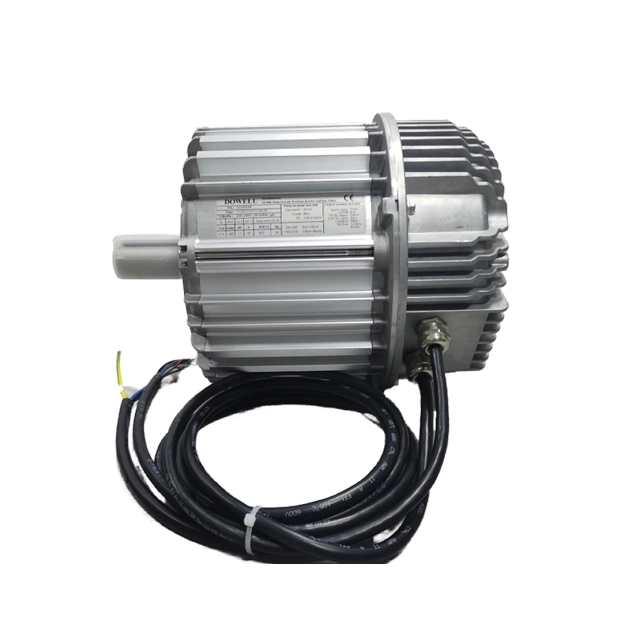
EC motors are designed to operate at variable speeds, thanks to their built-in electronic controllers. Unlike traditional fixed-speed motors, EC motors adjust their speed by changing the frequency and amplitude of the electrical current supplied to the motor windings. This electronic control allows the motor to run at precisely the speed needed to match the load or system demand.
Variable speed control means the motor doesn’t have to run at full speed all the time. Instead, it can slow down or speed up depending on requirements. For example, in a ventilation system, when less airflow is needed, the motor reduces speed, saving energy. When demand increases, the motor speeds up to provide more airflow. This flexibility results from the motor's electronic commutation system, which continuously monitors and adjusts rotor position and speed.
Variable speed operation significantly improves energy efficiency. Motors running at full speed constantly waste energy when full power is unnecessary. By matching motor speed to actual demand, EC motors reduce power consumption dramatically.
Energy savings can reach up to 75% compared to traditional fixed-speed motors, especially in applications with varying load conditions. Reduced energy use also lowers operating costs and carbon footprint, making EC motors an environmentally friendly choice.
Additionally, running at lower speeds reduces mechanical wear and electrical losses, extending motor life and reducing maintenance needs. This efficiency is particularly valuable in HVAC and refrigeration systems, where motors often run for long periods.
Fixed-speed motors operate at a single speed, regardless of system demand. They often use mechanical devices like dampers or inlet vanes to control airflow, which wastes energy. These motors also experience more wear due to frequent starts and stops when cycling on and off to meet demand.
In contrast, EC motors provide smooth, continuous speed adjustment without mechanical parts. This eliminates energy loss from throttling and reduces noise and vibration. The soft start capability of EC motors further reduces electrical and mechanical stress during startup, unlike fixed-speed motors that start abruptly.
Overall, EC motors deliver better performance, lower energy consumption, and longer service life than fixed-speed motors. Their ability to adapt speed dynamically makes them ideal for modern systems requiring precise control and energy savings.
When upgrading to EC motors, ensure your control system supports variable speed operation to maximize energy savings and system performance.
EC motors shine in HVAC systems due to their impressive energy efficiency. Unlike traditional motors that run at a fixed speed, EC motors adjust their speed to match the system’s actual demand. This variable speed operation means they use only the energy necessary for the current task, avoiding wasted power.
For example, during mild weather, an EC motor in a fan coil unit can slow down, consuming less electricity while still maintaining comfort. This dynamic adjustment can reduce energy use by up to 75% compared to older Permanent Split Capacitor (PSC) motors. Over time, these savings translate into significantly lower utility bills.
Moreover, because EC motors operate more efficiently at part load, they reduce the overall energy footprint of HVAC systems. This efficiency helps businesses meet sustainability goals and comply with stricter energy regulations.
EC motors offer precise control over airflow, which directly improves temperature regulation. By varying speed, they maintain consistent air delivery tailored to the space’s heating or cooling needs. This results in a more stable indoor environment, avoiding sudden temperature swings common with fixed-speed motors.
In practice, this means occupants experience better comfort levels. For instance, an office with EC motor-driven ventilation can quickly respond to changes in occupancy or weather, adjusting air volume smoothly. This avoids overcooling or overheating, enhancing productivity and satisfaction.
Additionally, EC motors help improve humidity control when paired with the right coil design. The steady airflow they provide ensures moisture removal is more effective, creating a healthier, more comfortable indoor climate.
Noise is a common complaint in HVAC systems, especially in quiet environments like offices or hospitals. EC motors operate more quietly than traditional motors because their electronic commutation produces less vibration and smoother rotation.
Since EC motors often run at lower speeds during part-load conditions, noise levels drop further. This quieter operation reduces distractions and improves occupant comfort.
Also, the soft start feature of EC motors prevents the sudden noise spikes typical when fixed-speed motors start abruptly. The gradual ramp-up minimizes mechanical stress and noise, contributing to a more peaceful environment.
When selecting EC motors for HVAC systems, prioritize models with integrated variable speed and soft start features to maximize energy savings and reduce noise.
EC motors provide precise speed control that helps maintain stable temperatures in commercial refrigeration systems. By adjusting speed to match cooling needs, they keep the environment consistent and avoid temperature swings that can spoil products. This fine control is essential in supermarkets, cold storage, and convenience stores where preserving food quality is critical.
Unlike traditional fixed-speed motors, EC motors respond dynamically to temperature sensors, reducing the risk of overcooling or undercooling. This not only protects inventory but also improves energy use, since the motor runs only as fast as necessary.
One of the biggest advantages of EC motors in refrigeration is their ability to save energy. They can cut power consumption by 30-50% compared to shaded pole or PSC motors often used in commercial refrigeration. This is because EC motors adjust their speed rather than running full throttle constantly.
Energy savings translate into lower utility bills and reduced carbon footprints, helping businesses meet sustainability goals. Over time, these savings can offset the higher initial cost of EC motors, making them a smart investment for commercial operators.
EC motors are built for durability, making them ideal for demanding refrigeration environments. Their brushless design reduces mechanical wear, so they last longer and require less maintenance than traditional motors. This reliability is crucial in refrigeration, where motor failure can cause costly downtime and product loss.
They also handle temperature extremes better, maintaining performance even in cold or humid conditions common in refrigeration units. The longer lifespan and reduced maintenance needs lower total ownership costs and improve system uptime.
When selecting EC motors for commercial refrigeration, choose models designed to handle cold environments and variable speed control to maximize energy savings and product protection.
EC motors include soft start capabilities that gradually ramp up motor speed during startup. This smooth acceleration reduces the inrush current and mechanical stress on the motor and connected equipment. Unlike traditional motors that start abruptly at full speed, EC motors avoid sudden jolts that can cause wear and electrical disturbances.
Soft start benefits include:
● Lower mechanical wear and tear
● Reduced electrical surges and stress on power systems
● Extended motor lifespan
● Quieter startup operation
This feature is especially valuable in HVAC and refrigeration systems where motors start and stop frequently. Soft start helps prevent premature failures and lowers maintenance costs.
Variable speed control is a core advancement in EC motor technology. Integrated electronic controllers adjust the motor’s speed by changing electrical current frequency and amplitude. This allows the motor to run precisely at the speed needed to meet system demands.
Key advantages of variable speed control:
● Optimized energy use by matching speed to load
● Reduced energy consumption and operating costs
● Improved system performance and responsiveness
● Decreased mechanical stress from smooth speed transitions
● Enhanced comfort through precise airflow or temperature control
This technology enables EC motors to outperform fixed-speed motors, which run only at full speed or off. It also allows for more flexible system designs.
Many EC motors can interface with 0-20 mA analog control signals, a common industrial standard. This integration enables seamless communication with building management systems (BMS), programmable logic controllers (PLCs), or other automation platforms.
Benefits of 0-20 mA integration:
● Precise motor speed adjustment based on external control signals
● Real-time monitoring and feedback for system optimization
● Easy incorporation into existing control infrastructure
● Supports complex control strategies for multi-zone or multi-motor systems
For example, a BMS can send a 0-20 mA signal to adjust fan speed according to temperature or occupancy sensors, ensuring efficient operation and energy savings.
When selecting EC motors, choose models with built-in soft start, variable speed control, and 0-20 mA compatibility to maximize energy efficiency and system integration flexibility.
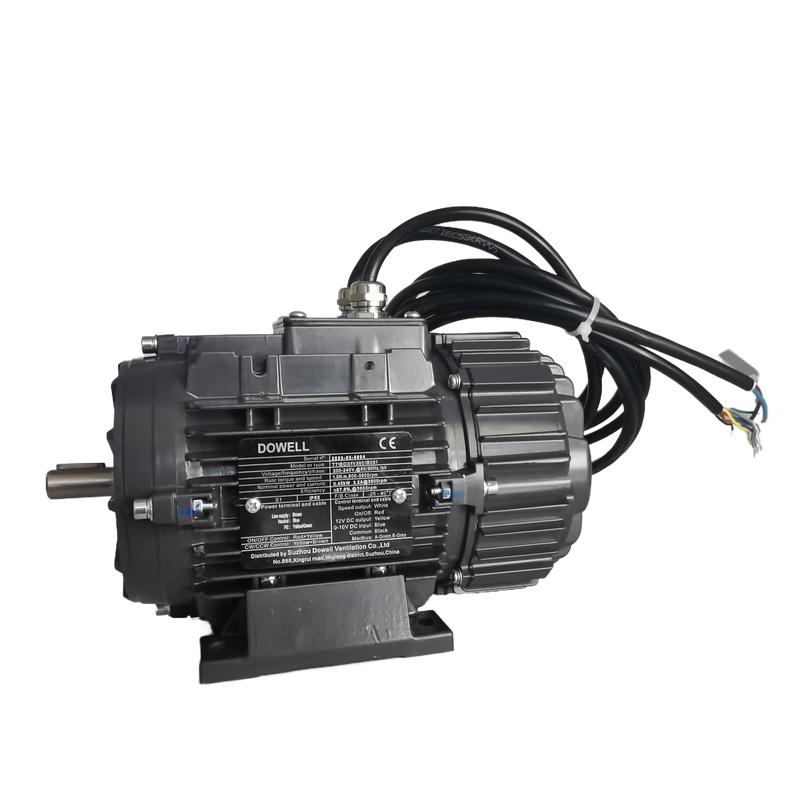
Upgrading to EC motors often involves a higher initial investment compared to traditional motors like PSC or shaded pole types. The price difference can range from 50% to 75% more than a standard motor, depending on the application and motor size. For example, a typical fan coil unit costing $300 with a PSC motor might increase to around $475 when equipped with an EC motor.
This upfront cost can seem significant, but it’s important to consider the total cost of ownership. EC motors deliver energy savings by running only at the required speed, which reduces electricity consumption significantly. Additionally, their longer lifespan and lower maintenance needs help offset the initial expense over time.
The payback period for EC motor investments varies based on energy costs, usage patterns, and application type. In many cases, energy savings alone can cover the extra cost within 2 to 3 years. For instance, if an EC motor saves $75 annually on energy bills, a $175 price premium would be recovered in about 2.5 years.
Considering a motor lifespan of around 20 years, the savings after payback can be substantial. Continuing the example, the remaining 17.5 years could yield savings exceeding $1,300 per motor just from energy reduction. When factoring in reduced maintenance and improved system performance, the total value grows even more.
Besides financial savings, EC motors offer several other advantages that add value to the investment:
● Improved air quality: Precise speed control ensures consistent airflow, enhancing ventilation effectiveness and occupant comfort.
● Lower noise levels: Variable speed operation and soft start reduce noise, making environments quieter.
● Better humidity control: Steady airflow helps maintain optimal humidity, improving indoor comfort.
● Reduced wear and tear: Smooth speed transitions and brushless design extend motor and system life.
● Environmental impact: Lower energy consumption reduces carbon footprint, supporting sustainability goals.
These benefits contribute to better system reliability, occupant satisfaction, and compliance with energy regulations, making EC motors a smart choice beyond just cost savings.
When evaluating EC motor upgrades, consider total ownership costs, including energy savings, maintenance reduction, and improved comfort, not just the initial price difference.
EC motors offer variable speed control, enhancing energy efficiency and reducing noise. Their adaptability suits HVAC and refrigeration systems, promising significant energy savings. As industries prioritize sustainability, EC motors will become more prevalent. Investing in EC motors yields long-term benefits, including lower operating costs and improved performance. Companies like Leading EC Fan & centrifugal fan Manufacturer - Dowell provide advanced EC motor solutions, ensuring optimal value and reliability for diverse applications. Embracing EC motors is a strategic move toward eco-friendly and efficient operations.
A: An EC motor, or Electronically Commutated motor, is a brushless DC motor with integrated electronics for efficient, variable speed operation.
A: EC motors achieve variable speed through electronic controllers that adjust current frequency and amplitude, matching motor speed to demand.
A: EC motors are more energy-efficient because they adjust speed to match load, reducing power consumption and operating costs.
A: Unlike traditional fixed-speed motors, EC motors offer variable speed, higher efficiency, and reduced mechanical wear.
A: In HVAC systems, EC motors enhance energy efficiency, improve temperature control, and reduce operational noise.


